
Digital assets declined as financial markets fell. As of Friday, March 27, 2026, the Nasdaq Composite entered correction territory, dropping over 10% from its November 2025 all-time high of 17,200 points. This market downturn erased $17 trillion in market capitalization from global equities, showing interconnectedness in a risk-off environment. Crypto stocks fell sharply in this sell-off, with Coinbase (COIN) shares dropping 15.3% to $185, while Bitcoin miners Marathon Digital (MARA) and Riot Platforms (RIOT) saw steeper declines, falling 22.8% and 20.1% respectively. MicroStrategy (MSTR), the largest corporate holder of Bitcoin, closed down 18.7% at $1,250, showing that even strong balance sheets face selling pressure. Total trading volume across major exchanges like Binance and Coinbase surged by 35% in the last 24 hours, indicating a rush for liquidity.
The Nasdaq's decline directly affected crypto assets. Bitcoin (BTC) dropped from its recent high of $72,500 to $65,800 within 48 hours – a 9.2% decline that liquidated over $800 million in leveraged long positions across derivatives exchanges. Ethereum (ETH) fell 11.5% from $4,350 to $3,850, as network activity declined. Altcoins fell more sharply in this flight to safety. Solana (SOL) dropped 18.5% to $128, Avalanche (AVAX) fell 21.0% to $32, and Chainlink (LINK) lost 17.2% of its value, settling at $16. This market decline shows a clear pattern: when the broader equity market goes risk-off, speculative assets like cryptocurrencies are the first to be divested, reflecting their high beta to overall market sentiment. The correlation coefficient between BTC and the Nasdaq 100 surged above 0.75 this week, confirming this tight linkage.
This market decline, while painful, is not the first in the volatile history of digital assets. We've seen similar, often more extreme, drawdowns. Recall the March 2020 "Covid Crash," where Bitcoin briefly plunged over 50% in a single day, or the prolonged 2022 bear market which saw BTC fall more than 70% from its all-time high, dragging the entire ecosystem down. What differentiates this event is the sheer scale of traditional market capital being wiped out – $17 trillion – and the increasingly integrated nature of crypto into that system. In earlier cycles, crypto often moved with less direct correlation to tech stocks. Today, with institutional adoption soaring, spot Bitcoin ETFs trading billions daily, and publicly listed crypto companies, the lines have blurred. This isn't a niche market anymore; it's a significant component of the global financial landscape, and its movements are now linked to broader economic narratives and investor sentiment.
Industry leaders and institutional players are handling this turbulence with varying strategies. Michael Saylor, CEO of MicroStrategy, reiterated his unwavering conviction, stating on X: "We remain long Bitcoin. Volatility is the price of admission for superior returns. Our 214,246 BTC at an average cost of $31,200 is a testament to our long-term strategy." However, sentiment among some institutional funds shows signs of caution. BlackRock's IBIT, the largest spot Bitcoin ETF, recorded its first net outflow this week, shedding $150 million in assets, followed by Fidelity's FBTC which saw $85 million depart. ARK Invest, led by Cathie Wood, has been observed trimming positions in high-beta tech stocks within their flagship ARKK fund, while maintaining their strategic allocation to crypto-exposed assets, albeit with some rebalancing. Major hedge funds like Millennium Management and Citadel, which recently disclosed substantial Bitcoin ETF holdings, are likely repositioning, moving to cash or less volatile assets as market uncertainty peaks.
On-chain data shows investor behavior during this correction. Exchange inflows for Bitcoin surged dramatically, with over 55,000 BTC, valued at approximately $3.6 billion, moving from private wallets to centralized exchanges in the past 72 hours. This substantial influx of supply typically signals an intent to sell, contributing to downward price pressure. Concurrently, stablecoin market capitalization, particularly for Tether (USDT) and USD Coin (USDC), saw a combined increase of $2.5 billion, indicating a flight to safety as investors convert volatile assets into stable equivalents. Bitcoin's network hash rate, however, remains resilient, holding steady above 610 EH/s, suggesting that miners are unfazed by the short-term price action and continue to secure the network. Ethereum's gas fees dipped significantly, averaging below 18 Gwei, reflecting a reduction in DeFi and NFT activity as traders retreat from speculative positions. The derivatives market also flashed red, with funding rates on perpetual futures contracts turning negative across all major altcoins, signaling a strong bearish bias among leveraged traders.
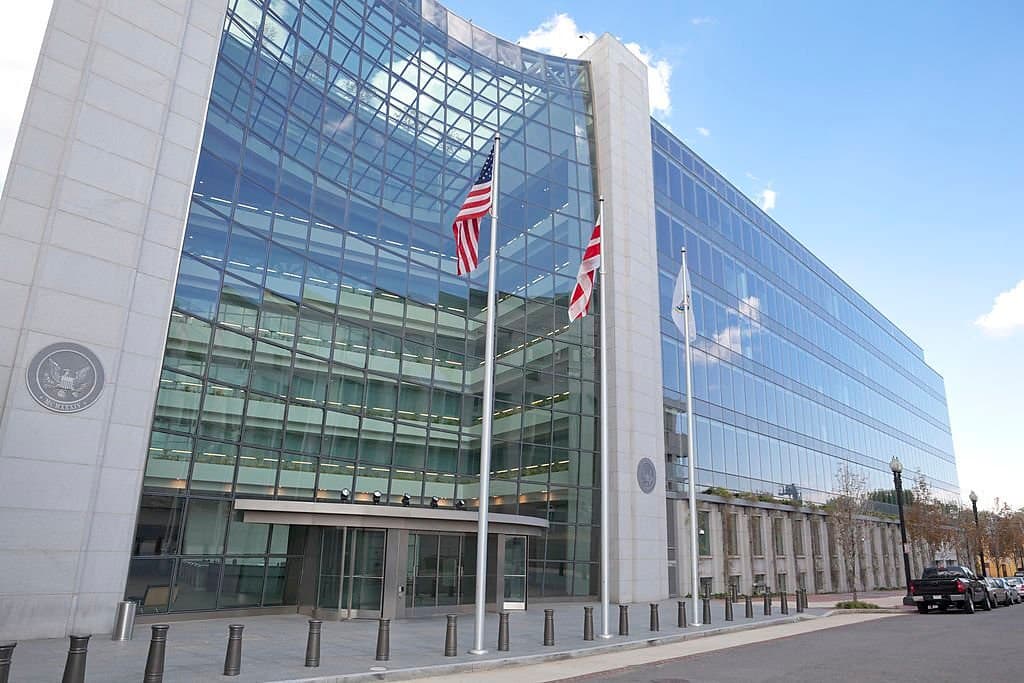
The current market turmoil affects ongoing regulatory discussions globally. In the United States, the SEC's already cautious stance on crypto is likely to harden further. The anticipated approval of spot Ethereum ETFs, with deadlines for applications from VanEck and Grayscale approaching in May, now faces increased headwinds. Regulatory bodies often cite market volatility and investor protection concerns during downturns to justify delays or stricter oversight. The FIT21 Act, currently making its way through Congress, which aims to provide a comprehensive framework for digital assets, may see renewed debate and potential amendments as lawmakers scrutinize market stability. Across the Atlantic, Europe's MiCA framework, set for full implementation by year-end, provides a degree of clarity, but even there, national regulators may interpret rules more conservatively in a bear market. This correction provides fresh ammunition for those advocating for more stringent regulations, with calls for enhanced transparency and consumer safeguards likely to intensify from figures like Senator Elizabeth Warren, aiming to prevent future market disruptions.
The trajectory for digital assets depends on several critical macroeconomic and industry-specific factors. The Federal Reserve's monetary policy remains paramount; persistent inflation data could force the Fed to maintain its hawkish stance, with market expectations still pricing in a 25 basis point rate hike in Q2 2026, which would continue to pressure risk assets. Conversely, any signs of economic softening or a pivot towards rate cuts would provide a much-needed tailwind. Geopolitical tensions, particularly in Eastern Europe and the Middle East, also present a significant wildcard, capable of triggering further risk-off sentiment. Within the crypto ecosystem, the resilience of DeFi protocols, the continued development of Layer 2 scaling solutions for Ethereum, and the sustained growth in real-world asset (RWA) tokenization will be crucial. We are closely monitoring institutional inflows back into spot ETFs and the performance of major tech earnings reports in the coming weeks, as these will serve as key indicators for broader market sentiment and a potential rebound. This period tests conviction, but it also separates robust projects from mere speculation.
This Nasdaq correction, wiping out $17 trillion, isn't a surprise. When traditional markets bleed, crypto feels it – that's the reality of increased integration. But this is not a fundamental breakdown of the digital asset thesis. Smart money understands the difference between a temporary market shakeout and a systemic failure. My position is unwavering: the underlying technology, the decentralization, the verifiable scarcity of assets like Bitcoin – these fundamentals are stronger than ever. The Bitcoin halving in 2024 set the stage for a new cycle of scarcity and value, and temporary market turbulence does not derail that long-term trajectory. This is a crucial period for investors to assess their conviction, not panic. Those who understand the long game, who position correctly and accumulate during these dips, are the ones who will build significant wealth. The noise is loud, but the signal for long-term growth remains clear.