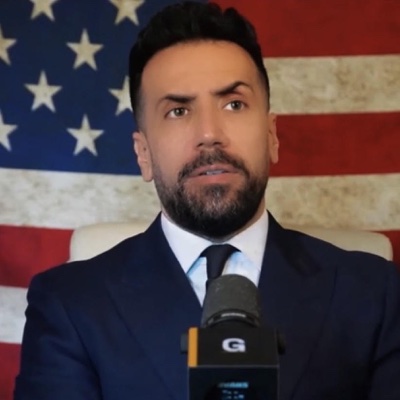

Geopolitical rhetoric continues to cast a long shadow over global markets, and digital assets are no exception. A recent statement from Senator Marco Rubio, asserting that any reporting on Cuba not directly from him or President Trump is "a liar" and emphasizing Cuba's economy "needs to change," injected a fresh dose of uncertainty into an already volatile environment. This pronouncement, highlighting information control and economic pressure on a sanctioned nation, landed squarely as Bitcoin traded at $66,322 and Ethereum at $1,991. Both flagship cryptocurrencies registered notable declines, reflecting a broader risk-off sentiment that has pushed the Crypto Fear & Greed Index deep into "Extreme Fear" territory at a reading of 13.
The immediate market reaction was palpable across the digital asset spectrum. Bitcoin, the market's bellwether, experienced a 3.6% drawdown over the last 24 hours, while Ethereum, the cornerstone of decentralized finance, saw its price fall by 3.3% in the same period. This synchronized decline underscores how deeply intertwined crypto markets have become with macro headlines and geopolitical shifts. Altcoins followed suit, with Solana trading at $82.97 and XRP holding at $1.32, both feeling the pressure as investors de-risk. The swift retreat from higher valuations signals that capital is flowing out of speculative assets, prioritizing stability in the face of political ambiguity and economic re-evaluations.
Historically, crypto markets have demonstrated complex reactions to geopolitical events. While Bitcoin is often touted as a decentralized hedge against traditional financial instability or government overreach, current price action suggests a broader market deleveraging is at play. This contrasts sharply with the euphoria that followed the landmark approval of Bitcoin spot ETFs in January 2024 and Ethereum spot ETFs in May 2024, which ushered in a new era of institutional adoption. Periods of extreme fear, like the current Index reading of 13, have historically presented both challenges and opportunities, often preceding significant market reversals. However, the path forward remains contingent on how these geopolitical narratives evolve and their impact on global liquidity.
Industry experts and institutional players are closely monitoring these developments, understanding that statements regarding sanctioned economies like Cuba can have far-reaching implications. Firms like BlackRock and Fidelity, now major players in the digital asset space through their spot ETFs, integrate such geopolitical risk into their portfolio strategies. They recognize that any shift in policy towards Cuba, or indeed any nation under significant sanctions, could either open new avenues for digital asset utility or intensify regulatory scrutiny. Furthermore, blockchain analytics companies such as Chainalysis and Elliptic are keenly aware of how digital assets are utilized in sanctioned environments, making such political declarations a critical data point for compliance and risk assessment across the entire ecosystem.
On-chain data, while not directly pinpointing Cuban activity related to this specific statement, provides crucial insights into broader market sentiment during periods of "Extreme Fear." Typically, sustained fear can lead to increased exchange inflows as holders move assets to sell, or conversely, it can signal accumulation by long-term conviction holders who view dips as buying opportunities. While specific wallet flows tied to this geopolitical event are not available, the underlying resilience of networks like Bitcoin and Ethereum remains paramount. Their consistent block production and transaction processing continue unimpeded, reinforcing the fundamental utility and censorship resistance that originally attracted many to the digital asset space, especially when traditional information channels and economic systems face political control, as implied by Rubio's remarks on "false reports."
The regulatory implications for the crypto sector stemming from such geopolitical discussions are significant. President Trump's administration, along with SEC Chair Paul Atkins and Federal Reserve Chair Jerome Powell, has consistently emphasized the need for robust frameworks to prevent illicit finance and ensure market integrity. Rubio's comments underscore the ongoing global tension between sovereign control and economic necessity, a dynamic that often brings digital assets into the spotlight. Any potential shift in Cuba's economic strategy, or increased pressure on its financial system, could accelerate the global debate around sovereign digital currencies (CBDCs) and the role of decentralized finance in circumventing traditional financial blockades, inevitably drawing further attention from global regulators.
Looking forward, the digital asset market will continue to navigate a complex interplay of macroeconomic forces, regulatory developments, and geopolitical flashpoints. As long as uncertainty persists, the immediate "risk-on" appetite for crypto assets may remain subdued, keeping the Fear & Greed Index elevated on the fear side. However, this environment also serves to highlight the core value proposition of decentralized digital assets: censorship resistance, immutability, and an alternative financial rail. In a world where information is contested and economic systems are subject to political dictates, the long-term thesis for blockchain technology and digital assets as tools for economic freedom and transparency only strengthens.
The bottom line is clear: geopolitical statements, even those seemingly distant from direct crypto discussions, are now integral to understanding market dynamics. Senator Rubio's firm declaration on Cuba's economy and information integrity underscores the very challenges that decentralized digital assets aim to address. While the immediate market reaction shows Bitcoin at $66,322 and Ethereum at $1,991, reflecting a risk-off posture and extreme fear, the underlying narrative reinforces the long-term strategic importance of crypto. The smart money isn't just watching the charts; they're observing the geopolitical chessboard. And right now, that board is telling us decentralization matters more than ever for navigating a world grappling with information control and economic transformation.