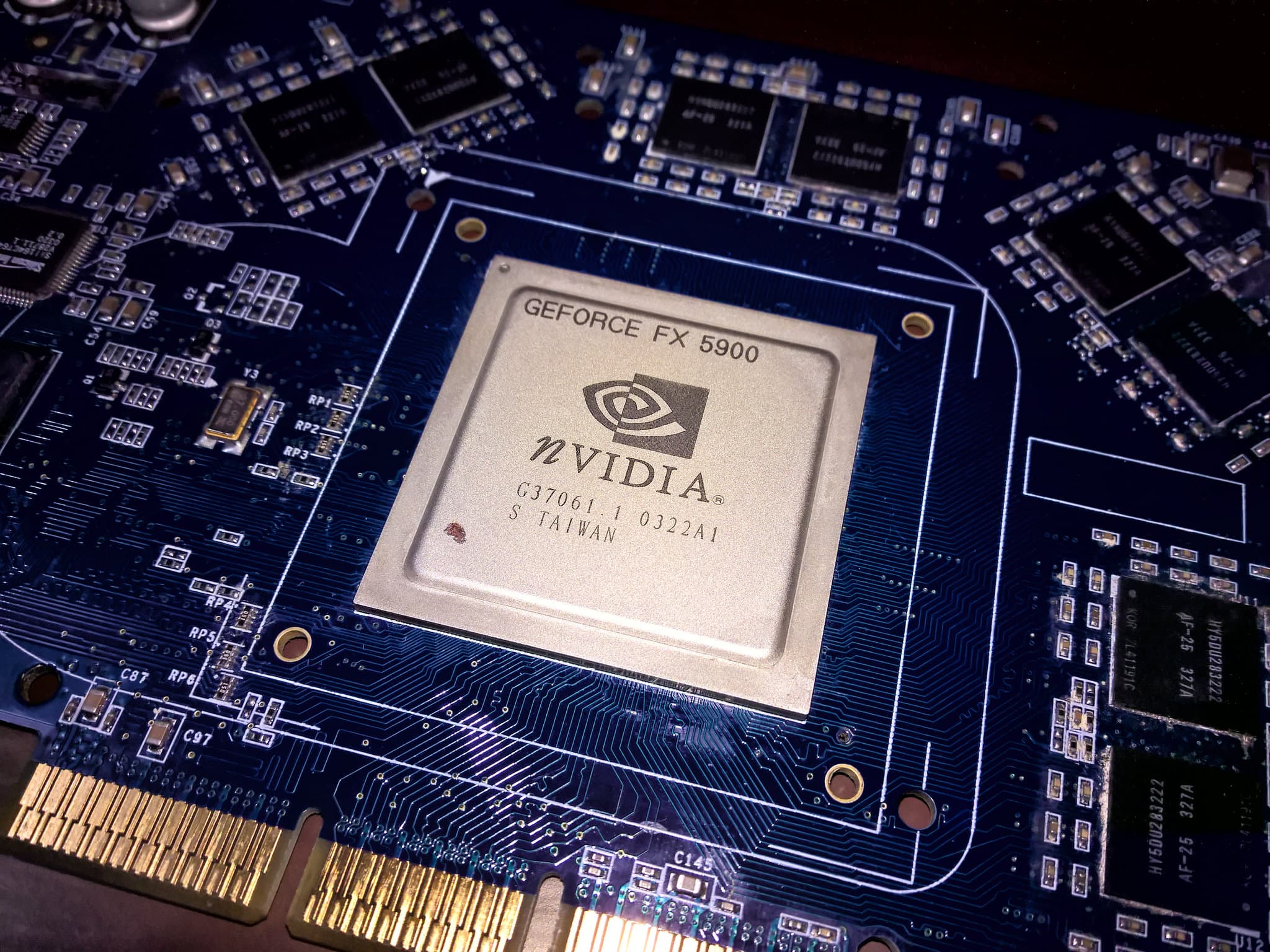
The U.S. equity markets are reeling today, with the Nasdaq sliding to $20,948 and the S&P 500 dropping to $6,369, both down a significant 2.1% and 1.7% respectively. This broad-based sell-off, mirrored across the Dow Jones and Russell 2000, is attributed to rising geopolitical tensions in the Middle East, specifically an "Iran war wobble" as dubbed by some analysts. Yet, in the face of this market anxiety, Pershing Square's Bill Ackman has boldly declared U.S. stocks, particularly world-beating tech giants, "extremely cheap," signaling a contrarian buying opportunity. Today's price action saw bellwether tech names like Nvidia at $167.52, Microsoft at $356.77, and Amazon at $199.34 all shedding over 2%, creating what Ackman views as a compelling entry point for sophisticated investors.
The market reaction has been swift and unforgiving, characterized by widespread risk aversion. The Nasdaq's steep decline to $20,948 underscores the tech sector's vulnerability to headline risk, with Meta Platforms and Amazon leading the charge down 4.0% each. This is not isolated; the S&P 500, Dow Jones, at $45,167, and Russell 2000, at $2,450, are all experiencing notable contractions today, reflecting a broad-based retreat from risk assets. The Crypto Fear & Greed Index, plummeting to a stark 8, signals "Extreme Fear" across digital asset markets, with Bitcoin trading at $67,590 and Ethereum at $2,068, even as these assets have proven their long-term resilience since their spot ETF approvals in 2024. This collective sentiment indicates a market grappling with uncertainty, but also one potentially overreacting to transient geopolitical noise.
Historically, markets tend to initially overreact to geopolitical flashpoints before re-calibrating based on fundamental realities. While today's "Iran war wobble" has certainly triggered a knee-jerk sell-off, it is crucial to place this in context of U.S. equities' long-standing resilience. The market has navigated numerous crises, from the dot-com bust to the 2008 financial crisis and the 2020 pandemic, consistently demonstrating its capacity for recovery and sustained growth. The current fear-driven dip, particularly in high-quality names that have delivered consistent earnings growth and innovation, often proves to be a fleeting phenomenon when viewed through a multi-year investment horizon. This pattern suggests that while the immediate pain is real, the underlying strength of American enterprise remains fundamentally intact.
Bill Ackman's pronouncement that U.S. stocks are "extremely cheap" cuts against the prevailing narrative of fear and uncertainty. This isn't a lone voice in the wilderness; several shrewd institutional investors are quietly accumulating positions during such dips, recognizing the long-term value proposition. While Wall Street consensus might preach caution in the short term, the smart money understands that geopolitical events, while impactful, rarely derail the trajectory of fundamentally sound companies. Ackman's track record of identifying value in moments of market distress lends significant weight to his current call, suggesting that the current institutional positioning might be more nuanced than the headline indices suggest, with active managers likely rebalancing into quality.
The argument for U.S. stocks being "extremely cheap" despite today's downturn rests squarely on their robust fundamentals. Companies like Microsoft ($356.77), Nvidia ($167.52), and Alphabet ($274.34) are not just market leaders; they are innovation powerhouses driving the global economy forward through AI, cloud computing, and digital transformation. Their balance sheets are formidable, cash flows are robust, and competitive moats are widening, ensuring sustained profitability regardless of short-term geopolitical tremors. The current valuation contraction, therefore, offers a discounted entry into businesses with proven earnings power and significant future growth runways, making the market's current valuation a disconnect from their intrinsic value. This is a chance to own generational companies at a discount.
The broader market implications of this "Iran war wobble" extend beyond just U.S. equities, impacting global risk appetite and prompting a temporary flight from growth assets. While we avoid speculating on unlisted asset prices, the general trend indicates a re-evaluation of risk across portfolios. However, this re-evaluation often creates exaggerated moves in highly liquid markets like U.S. tech, presenting opportunities for astute investors. As geopolitical tensions ebb and flow, capital consistently finds its way back to areas of high growth and profitability, which fundamentally remain concentrated in American innovation. This temporary rotation out of growth into perceived safety sets the stage for a powerful snapback rally once the immediate fear subsides.
Looking forward, several catalysts are poised to ignite a rebound in U.S. equities. The easing of geopolitical tensions, though unpredictable, is a primary driver. More tangibly, the upcoming earnings season for Q1 2026 will provide a critical reality check, where strong corporate performance from companies like Apple ($248.80) and Tesla ($361.83) could swiftly re-anchor valuations. Continued advancements in AI, championed by companies like Nvidia, represent a secular growth trend that geopolitical events cannot fundamentally derail. Investors should closely monitor the $20,000 level on the Nasdaq as a psychological and technical support, with a decisive break above it signaling a return of confidence and renewed upward momentum.
Gokhshtein Media stands firmly with Bill Ackman on this call: the market's "Iran war wobble" has gifted sophisticated investors an unequivocal buying opportunity in world-class U.S. equities. This is not a moment for hesitation; it is a moment for conviction. We advocate aggressive accumulation in high-quality technology names like Microsoft, Nvidia, Amazon, and Meta Platforms. These companies possess the fundamental strength, innovation pipeline, and market dominance to not only weather this transient storm but to emerge stronger. Ignore the short-term fear-mongering and capitalize on these "extremely cheap" valuations. This dip is a gift for long-term portfolio growth, and those who act decisively will be handsomely rewarded.