Today's robust rally across major U.S. indices, with the S&P 500 surging 2.9% to $6,529 and the Nasdaq Composite climbing 3.8% to $21,591, signals a potent undercurrent of institutional strength that is fundamentally reshaping market dynamics. This broad-based advance, defying the prevailing "Extreme Fear" sentiment evident in the Crypto Fear & Greed Index at a stark 8, underscores a critical shift away from speculative retail-driven momentum. highlighting pension funds as potential saviors for the equity market, especially as retail participation appears to ebb, resonates deeply with this current price action. We are witnessing the early stages of a significant re-allocation, where sophisticated, long-term capital is decisively taking the reins from more transient, speculative retail flows. This move is not merely a rebound; it is a clear statement from the largest, most disciplined players in the financial ecosystem, indicating a renewed conviction in the underlying value of U.S. equities, even as the crypto market signals caution.
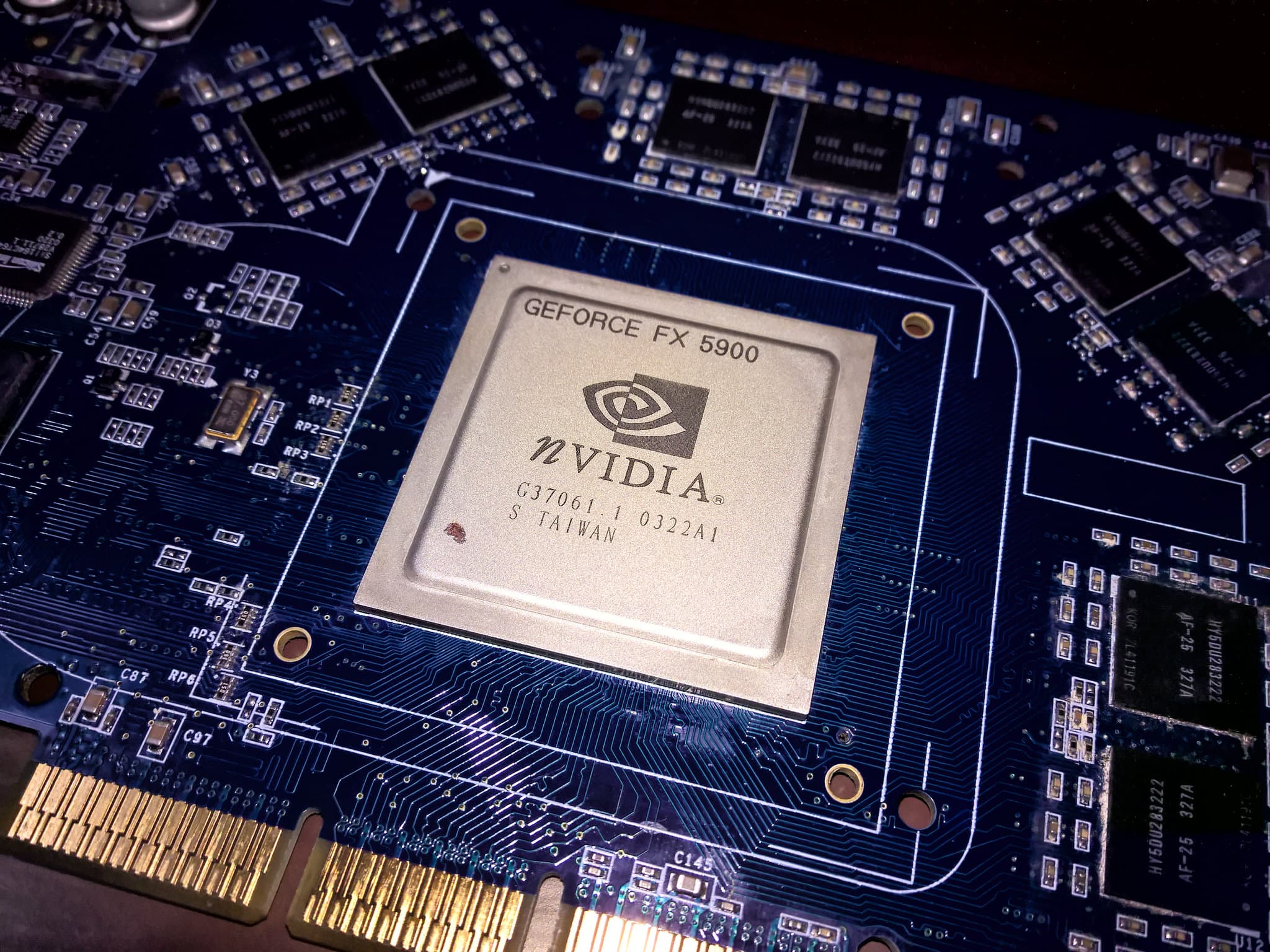
The market's reaction today unequivocally confirms a flight to quality and proven growth, characteristics consistently favored by large institutional mandates. Megacap technology names led the charge, with Meta Platforms rocketing 6.7% to $572.13, Nvidia surging 5.6% to $174.40, and Alphabet gaining 5.1% to $287.56. This concentrated strength in high-liquidity, high-earnings-power stocks suggests significant institutional rotation into established market leaders, a stark contrast to the less discerning buying patterns of the retail-fueled rallies witnessed in previous cycles. While the Russell 2000 also posted a strong 3.4% gain to $2,496, indicating broader market participation, the disproportionate performance of the Nasdaq further highlights where the real capital allocation is occurring. This is not a speculative frenzy chasing unproven concepts; it is a calculated deployment into companies with robust balance sheets, clear growth runways, and predictable cash flows, exactly the kind of assets pension funds are mandated to acquire for long-term stability.
This potential pivot from retail-driven speculation to institutional stewardship marks a profound departure from the post-pandemic market landscape. The 2020-2022 era saw unprecedented retail engagement, fueled by zero-commission trading, social media virality, and ample stimulus checks, driving parabolic, often unsustainable, moves in names like AMC Entertainment and GameStop, and propelling the initial crypto bull run. That environment fostered a 'get rich quick' mentality, often characterized by high-beta, low-fundamental plays that lacked institutional backing. Today's dynamic, where pension funds are being cited as the next major market force, harks back to more traditional market cycles where fundamental analysis and long-term value dictated price action. Institutional flows prioritize long-term stability, consistent dividend growth, and discounted cash flow models over pure momentum or speculative narratives, suggesting a more rational, albeit potentially slower, ascent for the broader market. This shift reflects a maturing market, systematically shedding some of its speculative froth and returning to established investment principles.
Wall Street analysts are increasingly recognizing the immense, often underestimated, buying power of institutional investors, particularly public and private pension funds. Global asset managers like BlackRock and Vanguard, which manage colossal sums for pension schemes ranging from CALPERS (California Public Employees' Retirement System) to the New York State Common Retirement Fund, are continually rebalancing portfolios to meet long-term liabilities. With the S&P 500 pushing new highs, many pension funds, which typically have strategic asset allocation targets for equities (e.g. a fixed 60% equities, 40% fixed income split), find themselves underweight their equity allocations due to prior market movements or new inflows. This necessitates systematic buying to return to target weights, creating a powerful, non-discretionary bid beneath the market. Analysts at JPMorgan and Goldman Sachs have consistently pointed to these structural flows as a key, foundational pillar of equity demand, often overshadowing transient retail sentiment or even short-term economic data. This is not merely opportunistic buying; it is a mandated re-allocation with trillions at stake, driven by actuarial requirements and long-term planning.
Fundamentally, pension fund allocations gravitate towards companies exhibiting robust earnings growth, sustainable competitive advantages, and consistent free cash flow generation, often with a history of returning capital to shareholders through dividends or buybacks. This explains the ongoing dominance of names like Microsoft, trading at $370.17, and Apple, at $253.79. These tech behemoths boast fortress balance sheets, diversified revenue streams from cloud computing to services, and significant share buyback programs, making them ideal long-term holdings for institutional portfolios. Beyond the immediate tech leaders, established industrial giants such as Honeywell, healthcare innovators like Johnson & Johnson, and stable consumer staples companies with strong brand loyalty become increasingly attractive. Pension funds are not chasing speculative narratives or disruptive, unproven technologies; they are investing in proven business models with durable margins, predictable revenue streams, and a clear path to returning capital to shareholders, driving a fundamental re-evaluation of quality assets. This focus on verifiable financial metrics and long-term viability stands in stark contrast to the valuation agnosticism often seen in retail-driven rallies.
The broader market implications of this institutional rotation are profound and far-reaching. A sustained influx of pension fund capital typically translates into lower market volatility and a more predictable upward trajectory for blue-chip equities, acting as a powerful stabilizing force. This systematic demand mitigates the sharp corrections often exacerbated by retail capitulation and short-term news cycles. Furthermore, the stark divergence between the equity market's robust performance and the "Extreme Fear" in the crypto space, where Bitcoin trades at $68,402 and Ethereum at $2,122, suggests a significant de-correlation between these two asset classes. While the approval of Bitcoin spot ETFs in January 2024 and Ethereum spot ETFs in May 2024 opened avenues for institutional access to digital assets, the current sentiment indicates that risk-off retail flows are leaving highly speculative crypto plays. This capital is likely seeking the relative safety and liquidity of large-cap equities, often channeled through traditional institutional vehicles. This implies a systemic shift in risk appetite, prioritizing capital preservation and steady, compounding returns over highly speculative gains, influencing fixed income markets as well, as institutions rebalance their broader asset pools.
Looking ahead, the trajectory of corporate earnings will remain paramount, with upcoming quarterly reports from bellwether companies providing the next critical catalyst for sustained institutional allocations. Continued strong guidance from tech leaders like Amazon, currently at $208.27, and Tesla, at $371.75, will reinforce the conviction in growth equities that are also seen as long-term value plays. Furthermore, the Federal Reserve, under Chair Jerome Powell, continues to navigate inflation and employment, with any indication of a dovish pivot in monetary policy providing additional tailwinds for long-duration assets favored by pension funds seeking yield and capital appreciation. Technically, the S&P 500's decisive breakout above the $6,500 level is a significant bullish signal, with the next major psychological and technical resistance point firmly set at $7,000. Sustained closes above $6,500, especially accompanied by increasing volume on up days, will confirm institutional conviction and set the stage for further upside, driven by the systematic re-allocation of pension capital. The consistent rhetoric from President Trump's administration, focused on economic growth and reducing regulatory burdens, also provides a stable backdrop conducive to long-term equity investment.
The bottom line is unequivocal: the narrative that pension funds are poised to rescue the equity market is not merely speculation; it is actively manifesting in today's powerful price action. As retail investors step back, exhibiting extreme fear in the more speculative corners of the market, institutional capital is stepping up, providing a formidable and consistent bid for high-quality equities. We are entering a phase where the systematic, long-term allocations of pension funds will be the dominant force driving market returns for the foreseeable future. Investors must position themselves accordingly, favoring established market leaders with strong fundamentals, consistent earnings power, and reliable cash flows. The S&P 500 is not just rallying; it is undergoing a fundamental re-rating under the weight of trillions in institutional capital seeking stable, long-term growth. We maintain our bullish stance, with a firm price target for the S&P 500 at $7,000 by year-end, propelled by these powerful, under-the-radar flows. This is not a market to fight; it is a market to ride with the smart money, as institutional demand sets a new floor for equity valuations.