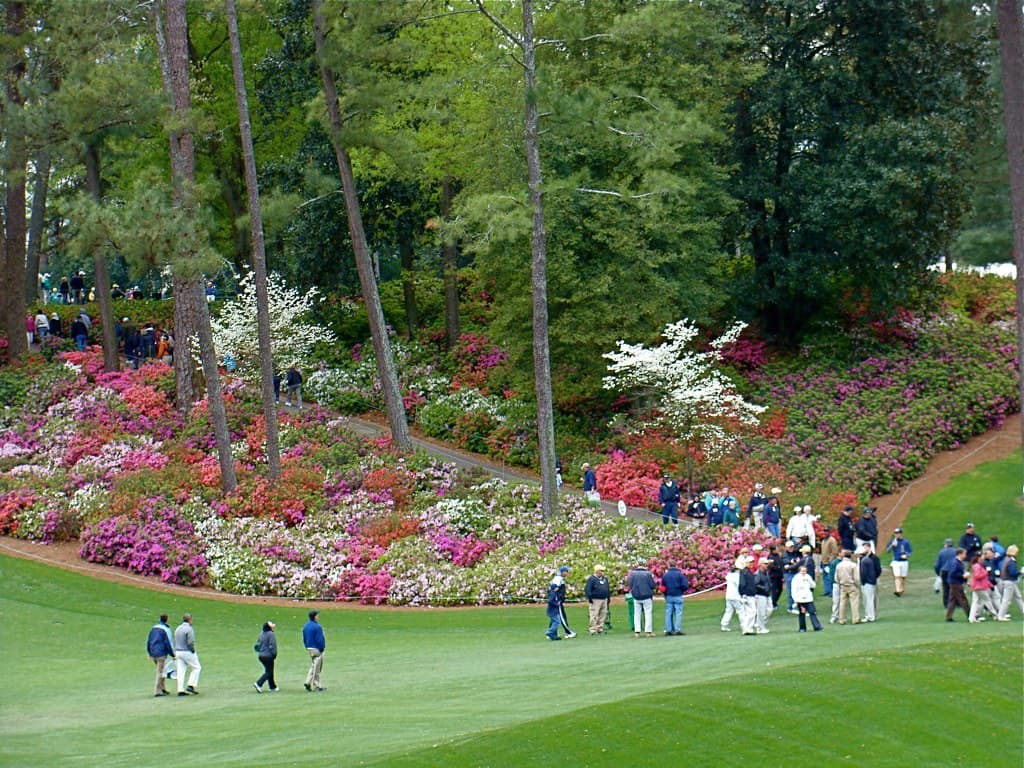
The Masters Tournament is upon us, with the hallowed grounds of Augusta National once again set to host golf's most anticipated major. As the azaleas bloom and the pimento cheese sandwiches fly, the world's elite golfers converge on Georgia, not just for a shot at immortality, but for a piece of one of sport's richest purses. The winner will claim the iconic Green Jacket and a staggering check, which hit $3.6 million in 2024 and is expected to exceed $3.7 million this year, a testament to the tournament's unparalleled commercial power. This isn't just a golf tournament; it's a global spectacle where legends are forged and financial empires are built, all under the watchful eye of a meticulously manicured course. The stakes are monumental, both for legacy and for the bottom line, making every shot count in a way few other events can match.
Conquering Augusta demands a specific, almost surgical, type of performance that transcends mere talent. Players must navigate unforgiving fairways, lightning-fast greens, and the treacherous waters of Rae's Creek, particularly around the infamous Amen Corner (Holes 11, 12, and 13). The par-3 12th, "Golden Bell," at just 155 yards, has shattered more dreams than any other hole, its swirling winds making club selection a nightmare. Success here isn't about raw power; it's about precision iron play, an impeccable short game to handle the severe undulations, and nerves of steel under pressure. Historically, the champion often leads in scrambling and avoiding big numbers, demonstrating a mastery of recovery shots and a relentless mental game that few courses demand.
As the first major of the golfing calendar, the Masters sets an undeniable tone for the entire season, shaping narratives and elevating careers in an instant. A victory here is a career-defining moment, instantly placing a player into an exclusive club of champions and often serving as a springboard for further success. For veterans like Rory McIlroy, it represents the final, elusive piece of the career Grand Slam, a quest that has become as much a mental battle as a physical one. For reigning champions such as Jon Rahm, it's about defending a legacy and proving sustained dominance in a sport teeming with talent. The trajectory of a player's year, their endorsement potential, and their standing in the global golf hierarchy all hinge significantly on their performance this week.
The field is stacked with compelling storylines and dominant forces, each bringing a unique approach to the challenge. Scottie Scheffler, with his consistent ball-striking and uncanny putting, enters as a strong favorite, embodying the modern game's blend of power and precision. His ability to grind out pars and capitalize on birdie opportunities makes him a formidable opponent on any course, but especially at Augusta where every stroke matters. McIlroy's long-standing pursuit of the Green Jacket adds a layer of drama; his raw talent is undeniable, but his struggles with the course's mental traps have been well-documented. Then there are major champions like Brooks Koepka, who thrives under major championship pressure, often finding an extra gear when the stakes are highest, making him a perennial threat despite inconsistent regular season form.
The true "opposition" at Augusta isn't necessarily another player, but the course itself and the immense psychological burden it places on every competitor. The undulating terrain, the strategically placed bunkers, and the notoriously fast, sloping greens demand absolute focus from the first tee shot to the final putt. Many rounds are derailed not by a single bad swing, but by a series of misjudgments or a loss of composure that can turn a potential birdie into a double-bogey in an instant. The mental fortitude required to recover from a poor shot or a missed putt, especially when the crowd is roaring, is what separates the contenders from those who merely participate. Augusta tests every facet of a golfer's game, but it tests their mind even more severely.
Physical condition and recent form are paramount entering a major like the Masters, where the demands on a golfer's body and mind are extreme. Players arriving with any lingering injuries, no matter how minor, often find their weaknesses exposed on Augusta's hilly, taxing layout. The grueling practice rounds, combined with the intense pressure of competition, can exacerbate even a slight wrist tweak or back issue, directly impacting swing mechanics and putting stroke. Furthermore, a player's recent tournament results offer a crucial barometer; those riding a wave of top-10 finishes typically carry momentum and confidence, while those battling a slump face an uphill battle against both the course and their own self-doubt. The Masters is not a tournament where one can "play their way into form"; peak readiness is a prerequisite.
Beyond the immediate glory of the Green Jacket, the outcome of the Masters reverberates throughout the entire professional golf landscape for the remainder of the year. A victory here significantly bolsters a player's chances for end-of-season awards, secures exemptions for future majors, and often triggers lucrative new endorsement deals, reshaping their entire financial portfolio. For the PGA Tour, the Masters' success fuels interest and viewership for subsequent events, maintaining momentum through the summer majors and the FedEx Cup playoffs. The narratives established this week—who rises, who falters, who shows unexpected promise—will dominate sports headlines and fuel discussions until the final putt drops at the Tour Championship, influencing everything from betting lines to Ryder Cup team selections.
Let's cut through the sentimental talk about tradition and azaleas: the Masters, at its core, is a high-stakes business enterprise where performance directly translates to power and profit. While the Green Jacket symbolizes golf's ultimate achievement, the $3.7 million winner's check and the guaranteed surge in brand value are the real drivers for these athletes. This tournament is a masterclass in monetizing prestige, where every swing is an investment, and every putt has a direct impact on a player's marketability and long-term earnings. Forget the romanticism; this is the ultimate gladiatorial arena where the best earn their fortunes, solidifying their place not just in history, but in the elite echelon of global sports earners.


