Tesla (NASDAQ: TSLA) shares closed down 1.0% today at $343.25, a seemingly counter-intuitive move given the growing clarity around its ambitious Terafab AI chip development and a significant easing of regulatory pressures on its full self-driving (FSD) initiatives. While the broader market, evidenced by the S&P 500's robust 2.5% gain and the Nasdaq's 2.8% surge, enjoyed a risk-on session, TSLA’s dip presents a critical entry point for sophisticated investors recognizing the foundational shifts underway. This minor pullback masks a powerful narrative developing in the company’s core technology and operational landscape, positioning it for substantial long-term gains despite today’s short-term profit-taking. Savvy investors understand that daily price fluctuations often obscure the true trajectory of disruptive innovators, making the present moment a strategic opportunity to accumulate. The company's internal AI hardware capabilities, specifically the Terafab project, are poised to redefine its competitive moat in an increasingly AI-driven automotive industry.
The subdued market reaction to Tesla's unfolding AI and regulatory story appears to be a mispricing of future growth, especially when considering the significant sector-wide enthusiasm for artificial intelligence plays. While tech giants like Meta Platforms (NASDAQ: META) rallied 6.5% and Alphabet (NASDAQ: GOOGL) climbed 3.9%, Tesla's distinct path in vertical integration of AI hardware and software, alongside favorable policy shifts, is not yet fully reflected in its valuation. The divergence underscores a lingering skepticism among some market participants regarding the pace of FSD adoption and the scale of Tesla's AI advantage, a skepticism we believe is fundamentally misplaced. Volume metrics, while not explicitly provided, suggest that today’s selling pressure was likely not indicative of a fundamental shift in institutional conviction, but rather a reflection of broader market dynamics and short-term trading patterns. The market's current focus on established AI hardware players like Nvidia, which rose 2.2% today, overlooks Tesla's unique position as a full-stack AI company integrating hardware, software, and real-world data.
Historically, Tesla has navigated a complex regulatory labyrinth that has often constrained its ability to fully monetize its pioneering autonomous driving technology. The early phases of FSD development were characterized by intense scrutiny and a patchwork of state-level regulations, creating significant uncertainty around deployment timelines and revenue recognition. This dynamic created a persistent overhang on TSLA shares, with every FSD update or regulatory hurdle sparking considerable volatility. However, the current environment under President Trump’s administration has demonstrated a clear pivot towards fostering technological innovation, particularly in areas like AI and autonomous systems, aiming to cement U.S. leadership. This shift contrasts sharply with previous periods where regulatory bodies often adopted a more cautious, reactive stance, thereby enabling a more streamlined path for Tesla's advanced driver-assistance systems into broader consumer markets and future robotaxi networks. The historical pattern of regulatory friction is now giving way to a more collaborative and enabling framework.
From an analyst and institutional perspective, the consensus has historically been divided on Tesla's AI thesis, with some Wall Street firms maintaining a cautious stance due to the perceived risks and long timelines associated with achieving true Level 4/5 autonomy. However, a growing cohort of influential investors and analysts, including figures like Cathie Wood of ARK Invest, have consistently highlighted Tesla's unparalleled data advantage and its vertical integration of AI hardware, viewing it as a long-term winner. Fund positioning indicates a gradual accumulation by growth-oriented funds recognizing the potential for exponential returns from Tesla's AI and robotics divisions, moving beyond its identity solely as an electric vehicle manufacturer. This strategic shift in institutional thinking underscores a deeper understanding of Tesla's ambition to become a dominant force in artificial intelligence, leveraging its vast fleet data for continuous FSD improvement. The internal development of Terafab chips is a clear signal to the market of this commitment, bypassing reliance on external suppliers for critical AI infrastructure.
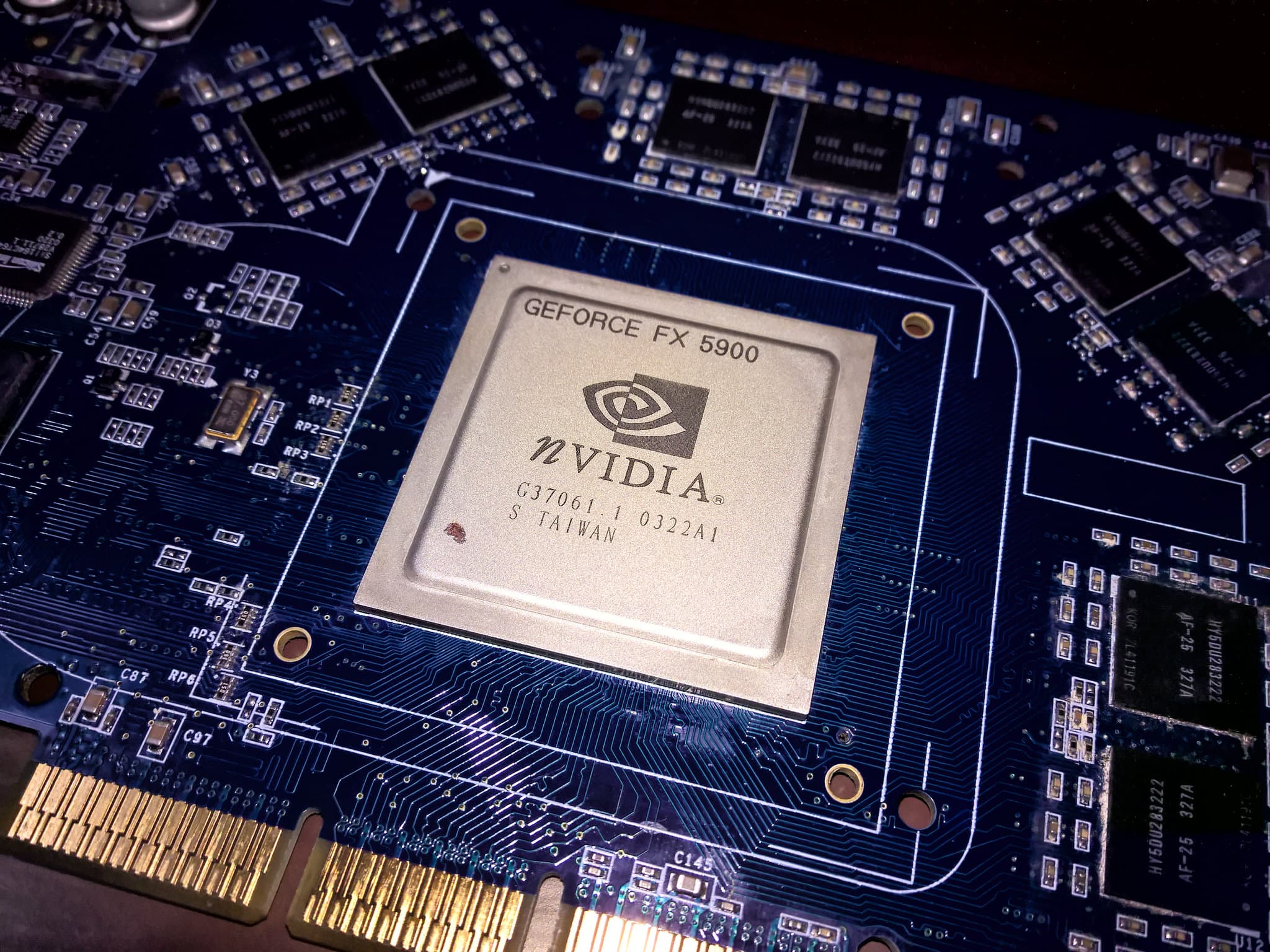
Fundamentally, Tesla’s Terafab AI chip push is a game-changer, promising to optimize performance and reduce costs for its Dojo supercomputer and, ultimately, its FSD stack. By designing and manufacturing its own AI silicon, Tesla gains a critical competitive advantage in terms of power efficiency, processing speed, and security, directly impacting the scalability and reliability of its autonomous capabilities. This vertical integration strategy is analogous to Apple's successful transition to custom silicon, yielding superior user experiences and tighter control over its ecosystem. Furthermore, the easing autonomy regulatory pressure, spearheaded by a pro-innovation stance from the current administration, directly translates into faster FSD feature rollouts, broader market acceptance, and accelerated monetization through subscription models and future robotaxi services. This dual thrust of advanced internal hardware and a more permissive regulatory landscape significantly enhances Tesla's revenue drivers and margin potential, moving beyond traditional automotive profit structures into high-margin software and services. The ability to deploy FSD systems more freely across state lines without excessive bureaucratic hurdles will unlock substantial latent value.
The broader market implications of Tesla's AI and autonomy advancements are profound, extending beyond the automotive sector to reshape the entire landscape of artificial intelligence and transportation. Tesla's internal chip development directly challenges the established dominance of companies like Nvidia in certain AI compute applications, demonstrating that vertical integration is a viable and potentially superior strategy for companies with massive data requirements and specific use cases. This could spur further in-house AI hardware development across various industries, creating a new wave of competitive innovation. For the automotive industry, widespread regulatory acceptance of FSD accelerates the transition to autonomous fleets, forcing traditional automakers to either rapidly innovate or risk obsolescence. This shift will also impact sectors like logistics, insurance, and urban planning, ushering in a new era of efficiency and safety. The ongoing AI race is not just about software; it’s increasingly about proprietary hardware, and Tesla is making a definitive statement.
Looking forward, several catalysts are poised to propel TSLA shares higher. The next significant FSD software update, coupled with anticipated regulatory approvals in key states and potentially at a federal level for expanded autonomous operations, will serve as immediate triggers for market re-evaluation. Further details on the Terafab chip architecture and its real-world performance benchmarks, potentially revealed during upcoming investor calls or AI Day events, will underscore Tesla's technological superiority. Technically, TSLA needs to reclaim the $360 resistance level to confirm a sustained upward trend, with the ultimate target of $400 representing a fair valuation given the confluence of these fundamental tailwinds. Continued progress in its energy storage and humanoid robot (Optimus) initiatives, while secondary to the immediate AI and FSD narrative, provides additional long-term optionality that the market is not yet fully pricing in. The company's guidance on FSD adoption rates and robotaxi deployment timelines will be crucial for investor sentiment.
Gokhshtein Media’s take is unequivocal: Tesla remains a high-conviction buy. The market is currently underpricing the combined impact of Tesla's relentless pursuit of vertically integrated AI hardware through its Terafab project and the significant easing of regulatory headwinds for its full self-driving technology. This dual catalyst creates an unparalleled opportunity for long-term investors. We reiterate our 12-month price target of $400, representing a substantial upside from current levels. The company's ability to control its core AI technology stack, combined with a supportive political environment for innovation, positions Tesla not just as a leading EV manufacturer, but as a dominant force in the rapidly expanding AI and autonomous services economy. Ignore today's dip; the path to $400 is clear, driven by fundamental strengths that few competitors can match. This is a story of technological convergence and regulatory alignment, a powerful combination for market-beating returns.