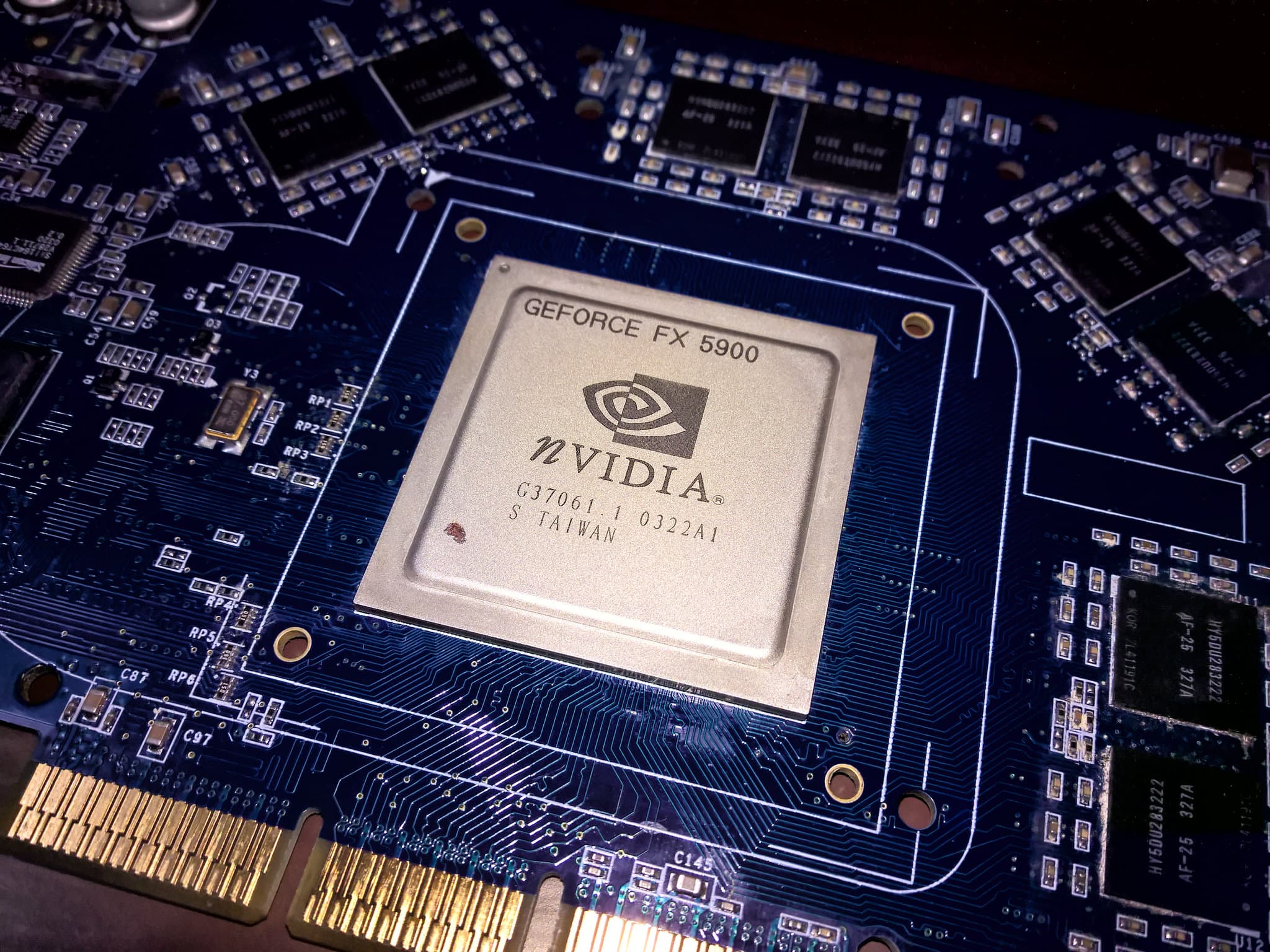
NEW YORK — Nvidia Corp. delivered a robust performance Friday, climbing 2.6 percent to $188.63 and spearheading the Nasdaq's 0.4 percent advance to 22,903. The semiconductor giant's upward trajectory underscored persistent investor confidence in artificial intelligence sector leadership, even as the broader equity market presented a more fragmented picture.
The S&P 500 edged down 0.1 percent to 6,817, while the Dow Jones Industrial Average shed 0.6 percent, settling at 47,917. This divergence highlights a market increasingly reliant on specific growth narratives, particularly those anchored in technological innovation.
The Nasdaq's positive close was largely a testament to concentrated strength within its technology and growth-oriented components. Beyond Nvidia, Amazon.com Inc. gained 2.0 percent to $238.38, and Tesla Inc. rose 1.0 percent to $348.95, signaling continued appetite for disruptive innovators. The S&P 500's marginal decline and the Dow's more significant dip suggested profit-taking in other sectors or cautious rotation away from broader market exposure.
This pattern of tech-led gains amid broader market stagnation has intensified in recent quarters, particularly following widespread adoption of AI technologies. The market's current fixation on AI-driven growth echoes prior cycles where a handful of innovation leaders disproportionately influenced index performance.
Concurrently, the cryptocurrency market experienced a sharp downturn, with Bitcoin falling 2.7 percent to $71,349 and Ethereum dropping 3.7 percent to $2,214. This significant pullback indicates that even institutionalized digital assets remain susceptible to acute volatility and shifts in risk appetite. The Crypto Fear & Greed Index plummeted to 16, signaling "Extreme Fear" among digital asset investors—a stark contrast to selective optimism in U.S. equities.
Wall Street analysts largely maintain overweight ratings on dominant technology names, citing robust earnings potential and long-term secular growth trends. Institutions continue to allocate capital toward companies like Nvidia, Microsoft Corp. and Alphabet Inc. viewing their AI infrastructure and cloud computing segments as indispensable.
Despite Microsoft's slight dip of 0.6 percent to $370.87 and Alphabet's 0.4 percent decrease to $317.24, the underlying narrative for these tech titans remains strong. Fund managers are increasingly employing a barbell strategy, balancing high-growth tech exposure with defensive plays, while some are reducing broader market beta exposure in anticipation of potential macro headwinds.
Nvidia's continued ascent is fundamentally underpinned by its dominance in the graphics processing unit market, which is critical for AI computation and accelerated computing. The company's data center revenue continues to be a primary growth engine—driven by massive demand from cloud service providers and enterprises building out AI capabilities.
While other tech giants like Apple Inc. saw flat performance at $260.48, and Meta Platforms Inc. gained a modest 0.2 percent to $629.86, their long-term fundamental prospects are also tied to their ability to leverage AI for competitive advantage and new product development.
The market's current dynamics suggest clear divergence in investor sentiment and capital allocation. While a select group of mega-cap technology stocks continues to attract significant inflows, the broader market appears to be grappling with a more cautious outlook. The Russell 2000 declined 0.2 percent to $2,631.
The plummeting Crypto Fear & Greed Index underscores broader retrenchment in risk appetite, even if it has not yet fully affected the equity market's upper echelons. The lack of direct correlation between the crypto sell-off and the Nasdaq's resilience suggests that for now, these asset classes are being evaluated on increasingly distinct fundamental and sentiment drivers.
The upcoming earnings season will be a critical catalyst for validating current valuations and providing forward guidance, especially for the technology sector. Investors will closely scrutinize Nvidia's outlook for its data center segment and any commentary on new product pipelines or competitive threats.
Technically, the Nasdaq's ability to hold above recent support levels around 22,800 will be key for maintaining bullish momentum. For the S&P 500, resistance at 6,850 could prove challenging to overcome without broader market participation. Federal Reserve policy remains a significant overhang, with any indications from Chair Jerome Powell regarding interest rate trajectories likely to influence overall market risk appetite.