U.S. equity indexes experienced a mixed trading session Wednesday, reflecting investor caution as geopolitical developments in Israel injected renewed uncertainty into global markets. The S&P 500 closed at $7,030, marking a modest 0.1 percent gain, while the Nasdaq Composite saw a slightly stronger rise of 0.2 percent to $24,063. In contrast, the Dow Jones Industrial Average finished up 0.1 percent at $48,516, and the small-cap Russell 2000 dipped 0.1 percent to $2,711, indicating a nuanced risk appetite across different market segments. This divergence underscores a market grappling with external shocks, forcing investors to scrutinize individual company fundamentals more intensely rather than relying on broad market momentum.
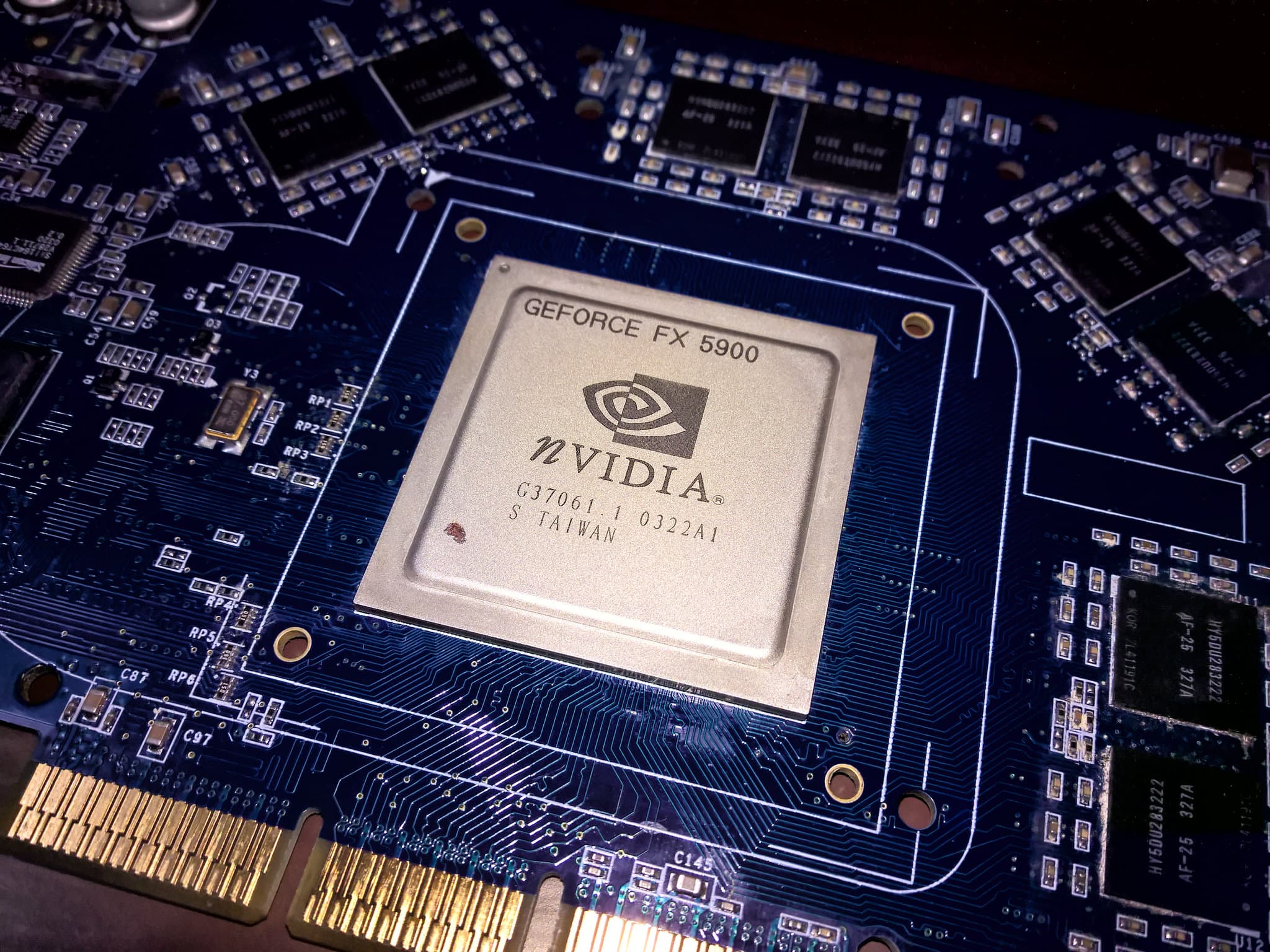
Market reaction was notably uneven across the technology sector, revealing a clear bifurcation between companies demonstrating robust enterprise demand and those facing consumer or competitive headwinds. Microsoft Corporation (NVDA) surged 2.1 percent to $419.69, signaling unwavering confidence in its cloud and artificial intelligence initiatives, which continue to drive enterprise spending regardless of geopolitical noise. Meanwhile, other tech giants showed weakness: Tesla (TSLA) dropped 1.0 percent to $388.18, Apple (AAPL) fell 1.0 percent to $263.82, and Alphabet (GOOGL) declined 0.6 percent to $335.18. Even Nvidia (NVDA), a bellwether for the AI boom, saw a slight dip of 0.3 percent to $198.21, suggesting some profit-taking or a re-evaluation of growth trajectories in a more cautious environment. The broader sentiment was also reflected in the Crypto Fear & Greed Index, which registered 23, indicating “Extreme Fear” and signaling a widespread reduction in risk appetite across digital assets that often correlates with equity market jitters.
Historically, U.S. equity markets have demonstrated remarkable resilience in the face of geopolitical tensions, often rebounding swiftly once the immediate shock subsides and the broader economic implications become clearer. However, the current environment presents a more complex picture, with persistent inflation, the Federal Reserve’s cautious stance on interest rates, and ongoing supply chain adjustments creating a fragile backdrop. Previous periods of Middle Eastern instability, while initially causing market volatility, rarely led to sustained downturns unless they directly impacted global energy supplies or triggered a broader economic slowdown. This time, investors are more attuned to how prolonged uncertainty could affect corporate earnings guidance and consumer confidence, especially for companies with significant international exposure or those reliant on discretionary spending.
From an institutional perspective, Wall Street analysts are maintaining a watchful but not panicked stance, largely reiterating their long-term conviction in companies with strong competitive moats and clear growth narratives. While some hedge funds may be trimming risk exposure in high-beta names, the consensus remains that fundamental strength will ultimately dictate performance. Major asset managers are advising clients to focus on quality and balance sheet health, favoring companies that can consistently generate free cash flow and exhibit pricing power. The mixed market performance today suggests that institutional capital is being highly selective, rewarding companies that can demonstrate tangible earnings growth and strategic execution, even as the broader market grapples with external uncertainties.
Beneath the surface of geopolitical headlines, corporate fundamentals continue to drive long-term value. Microsoft’s robust performance today is a direct testament to its strategic dominance in cloud computing and its aggressive leadership in artificial intelligence, areas where enterprise spending remains resilient. The company’s Azure division and its integration of AI across its software suite position it for continued outperformance, making it a core holding for any technology-focused portfolio. Conversely, the declines in Tesla and Apple highlight persistent concerns over demand elasticity, intense competition in the electric vehicle market, and potential saturation in smartphone sales. While Nvidia's slight decline could be attributed to temporary profit-taking after a significant run, its foundational role in the AI infrastructure boom ensures its long-term growth trajectory remains intact, anchoring its position as a critical player in the technological revolution.
The mixed market reaction today suggests potential for sector rotation, though not a wholesale flight from growth. Investors are likely re-evaluating their exposure to riskier assets, potentially shifting capital towards more defensive sectors or companies with less sensitivity to global economic shocks. The “Extreme Fear” signal from the Crypto Fear & Greed Index is a powerful indicator of reduced risk appetite that can extend beyond digital assets, influencing broader equity market sentiment and capital allocation decisions. Should geopolitical tensions escalate, we anticipate increased demand for safe-haven assets and a further flight to quality within equities, favoring companies with stable earnings, strong balance sheets, and consistent dividend payouts. The U.S. economy, while robust, is not immune to global disruptions, and any significant impact on international trade or energy prices could test its resilience.
Looking ahead, the upcoming earnings season will serve as a critical catalyst, providing clearer insights into corporate health and management’s outlook amidst the current global landscape. Investors will closely monitor guidance from bellwether companies for any revisions related to geopolitical risks or macroeconomic slowdowns. Technical levels for the S&P 500 at $7,030 and the Nasdaq at $24,063 will be crucial support lines to watch; a sustained break below these could signal deeper market corrections. Any further statements from President Trump or other global leaders regarding the situation in Israel will also be closely scrutinized for their potential impact on market sentiment. Gokhshtein Media anticipates that the Federal Reserve, under Chair Jerome Powell, will remain highly attentive to global developments, potentially influencing their future monetary policy decisions, especially if global instability begins to weigh on domestic economic forecasts.
The bottom line for sophisticated investors is clear: today’s mixed U.S. equity performance, while influenced by geopolitical concerns, primarily underscores the importance of fundamental strength and strategic positioning. While the immediate market reaction to events in Israel created some turbulence, companies like Microsoft demonstrated their ability to thrive by delivering indispensable services and leading innovation in critical areas like AI. Gokhshtein Media maintains its conviction that investors must differentiate between temporary market noise and the enduring value of robust business models. We see continued upside for Microsoft, driven by its enterprise dominance and AI leadership, and believe Nvidia remains a long-term play despite minor fluctuations. However, caution is warranted for consumer-dependent stocks such as Tesla and Apple until clearer demand signals emerge, reinforcing our view that selective, high-conviction plays will outperform in this complex market environment.