The U.S. equity market continues its ascent, with the S&P 500 closing at $7,165 today, up 0.8 percent, and the Nasdaq Composite surging 1.6 percent to $24,837. This robust performance unfolds against a backdrop of seemingly contradictory public sentiment, where economic optimism remains stubbornly low despite strong underlying data. Unemployment rates hover near historical lows, consumer spending exhibits healthy patterns, and corporate earnings broadly exceed expectations, yet surveys consistently indicate a pervasive sense of economic unease among American households. This profound disconnect between hard economic indicators and subjective consumer perception presents a critical puzzle for investors navigating current market dynamics. Understanding this divergence is paramount for identifying mispriced assets and anticipating future market shifts.
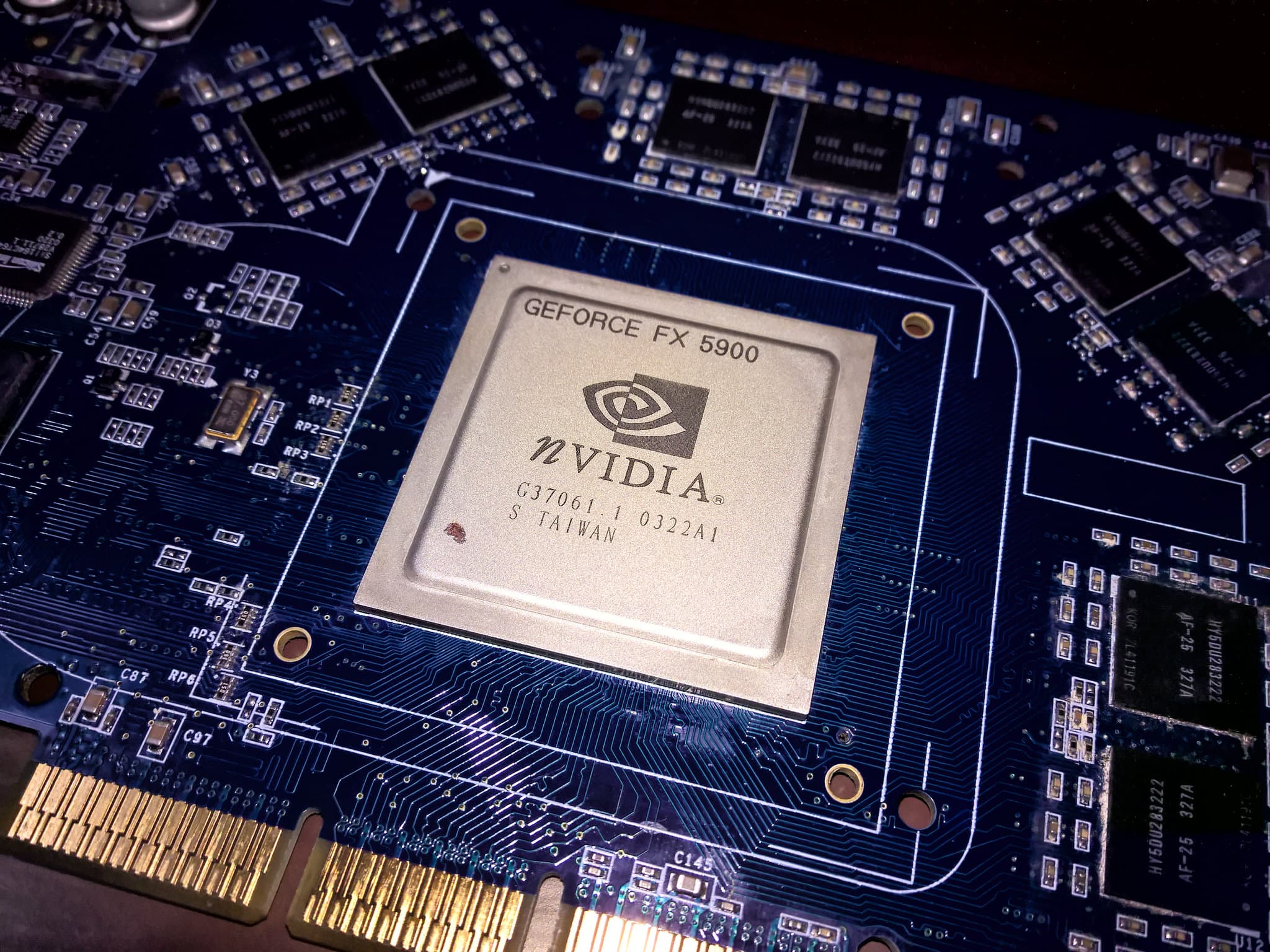
Today’s market action underscores the dominance of growth-oriented mega-cap technology stocks, which continue to drive index performance. Nvidia shares climbed 4.3 percent to $208.27, while Meta Platforms advanced 2.4 percent to $675.03 and Amazon.com gained 3.5 percent to $263.99. This concentrated rally in technology and growth names suggests investors are prioritizing companies with strong secular tailwinds and pricing power, effectively shielding the broader market from potential headwinds implied by consumer pessimism. Volume remained robust in these leading names, with institutional money managers continuing to allocate capital towards established winners, reinforcing the market’s narrow leadership. The Russell 2000, representing smaller-cap stocks, saw a more modest gain of 0.4 percent to $2,787, indicating a less enthusiastic participation outside the tech heavyweights.
The current chasm between economic data and public sentiment is not unprecedented, echoing periods like the “jobless recovery” of the early 2010s or the post-dot-com bust era where economic anxiety persisted despite nascent growth. Historically, such divergences often resolve through either a market correction aligning with sentiment or a gradual improvement in consumer mood catching up to economic realities. What distinguishes this cycle is the sheer magnitude of the S&P 500's rally to $7,165 while a significant portion of the population expresses recessionary fears. This prolonged period of cognitive dissonance suggests deeply ingrained behavioral biases or structural issues beyond traditional economic metrics, such as persistent inflation concerns or wealth inequality impacting perception. Investors must weigh whether this sentiment is a lagging indicator or a harbinger of future demand destruction.
Many Wall Street analysts acknowledge the sentiment-data paradox, with some attributing it to lingering inflation anxieties or geopolitical instability, even as core economic metrics remain solid. Fund managers, particularly those focused on large-cap growth, have largely chosen to ride the momentum in technology, viewing strong balance sheets and innovation as insulated from broader consumer malaise. Firms like BlackRock and Vanguard continue to see inflows into broad-market index funds, but active managers are increasingly scrutinizing consumer discretionary stocks for potential mispricings. Analysts at JPMorgan Chase recently highlighted the potential for a “sentiment-driven rebound” in certain consumer segments, arguing that current valuations in some discretionary names do not fully reflect the underlying employment strength and wage growth. This suggests a growing contrarian view among a subset of institutional investors looking beyond the immediate headlines.
The underlying fundamentals supporting the market's strength remain compelling, particularly within the technology sector. Companies like Microsoft, up 2.1 percent to $424.62 today, and Alphabet, gaining 1.6 percent to $344.40, report robust cloud computing growth and increasing demand for artificial intelligence capabilities across enterprise clients. This enterprise-driven demand provides a significant buffer against fluctuations in consumer confidence. For consumer-facing sectors, despite the negative sentiment, persistent low unemployment and steady wage gains continue to underpin purchasing power. While consumers may express caution, their actual spending habits, especially in essential categories and experience-based services, have largely held firm. The disconnect thus points to a psychological rather than a purely economic constraint on consumer behavior, creating a potential opening for companies with strong brand loyalty and resilient business models.
This sentiment-data split carries significant implications for sector rotation and risk appetite. Should consumer confidence eventually align with the robust economic data, a powerful rotation into undervalued consumer discretionary and cyclical stocks could materialize. Conversely, if sentiment proves prescient, it could signal an eventual slowdown that even resilient tech giants cannot fully escape. For now, the “fear” reading of 31 on the Crypto Fear & Greed Index, while specific to digital assets, broadly reflects a cautious investor mindset that extends beyond crypto, suggesting capital remains somewhat risk-averse despite equity market highs. This environment favors defensive positioning in some portfolios, yet simultaneously creates opportunities for those willing to lean into the contrarian bet of an eventual sentiment recovery. Investors must evaluate whether the market is truly “climbing a wall of worry” or if the worry itself is fundamentally misplaced.
Looking ahead, the upcoming earnings season for retail and consumer goods companies will be a crucial test of this paradox, providing real-time data on consumer spending patterns versus expressed sentiment. Key catalysts include the Federal Reserve’s next policy meeting in June, where Chair Jerome Powell’s commentary on economic stability and inflation will be closely watched for any shifts in monetary policy outlook. Technically, the S&P 500’s ability to hold above the $7,100 level is a positive signal for continued momentum, but a breach could trigger profit-taking. Investors should also monitor new government data releases on personal consumption expenditures and wage growth, which offer clearer insights into actual consumer behavior. Any unexpected softening in these hard data points would force a reassessment of the current market narrative and potentially align sentiment with economic outcomes.
Gokhshtein Media maintains that the current market rally, spearheaded by resilient technology leaders, reflects genuine underlying economic strength, particularly in employment and corporate earnings. The pervasive consumer pessimism, while noteworthy, appears to be a lagging psychological indicator rather than a fundamental economic weakness. This creates a compelling arbitrage opportunity: quality consumer discretionary stocks that are trading at a discount due to sentiment-driven undervaluation are poised for significant upside as confidence inevitably catches up to reality. Investors should strategically position in companies with strong balance sheets and market positions within the consumer discretionary sector, recognizing that the market has yet to fully price in the enduring strength of the American consumer, despite their current apprehension.