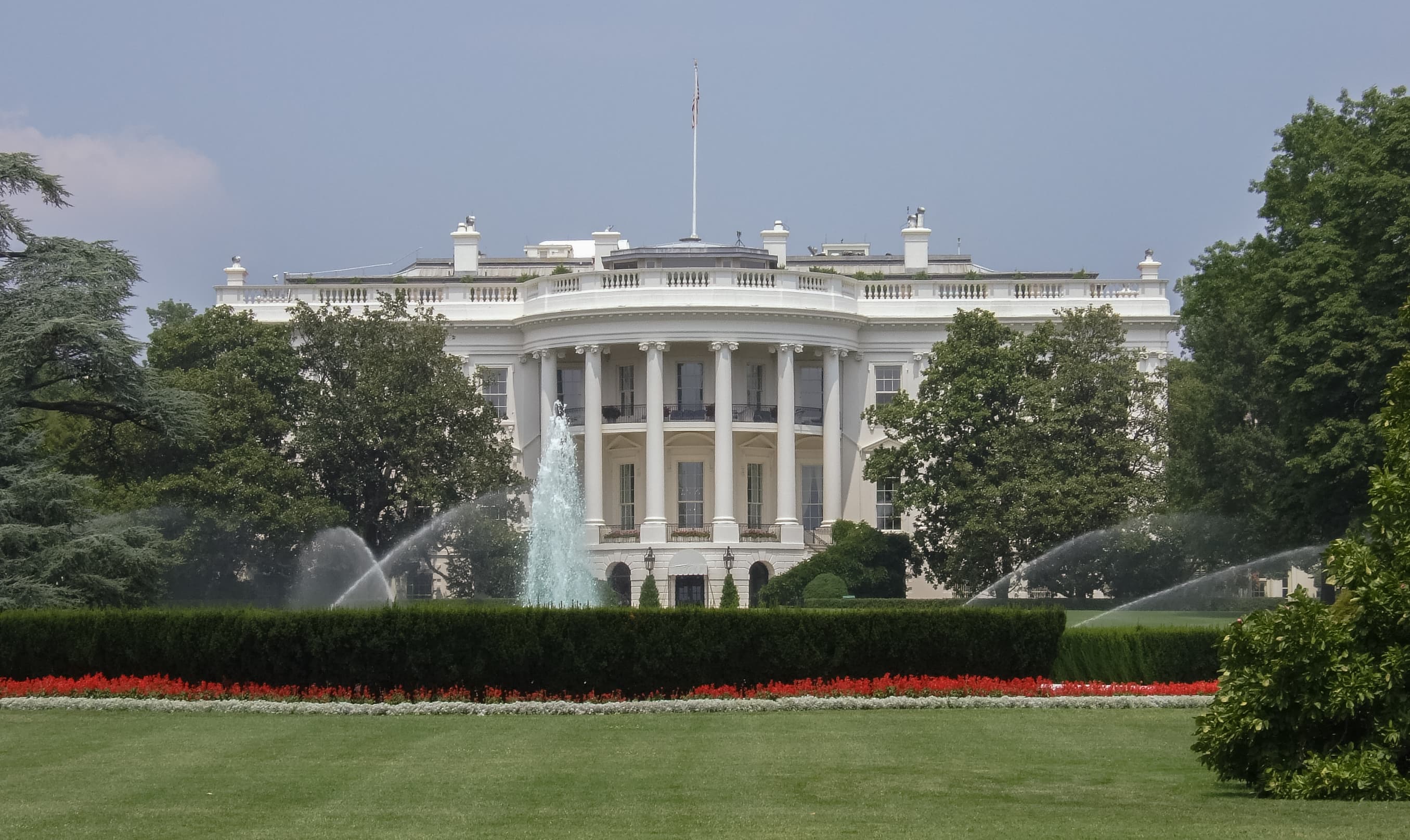
A Secret Service officer shot an armed individual near the White House complex today, igniting immediate concerns across Washington regarding presidential security and the broader stability of federal operations. The incident, which unfolded blocks from the Oval Office, forced a temporary lockdown and highlighted the ever-present threat landscape facing the nation’s capital. While the immediate danger was neutralized, the event sent a ripple through political circles, prompting swift condemnations and calls for enhanced protective measures, even as financial markets demonstrated a notable composure in the face of the disruption.
Despite the gravity of the White House security incident, major financial markets largely shrugged off the news, indicating a robust investor confidence in institutional resilience. The Nasdaq Composite closed at $25,068, down a modest 0.2 percent, while the S&P 500 saw a 0.4 percent decline to $7,201. The Dow Jones Industrial Average fell 1.1 percent to $48,942, and the Russell 2000 dipped 0.6 percent to $2,796. In the crypto sector, Bitcoin remained strong at $79,825, posting a 1.7 percent gain over 24 hours, and Ethereum traded at $2,346, up 1.2 percent. This muted market reaction suggests that while security events are serious, they are not currently perceived as destabilizing to the fundamental economic or political order, a testament to the U.S. government’s established protocols.
The incident immediately thrust national security and federal perimeter defense back into the legislative spotlight, positioning it as a critical component of ongoing budgetary discussions. Congress has long grappled with balancing public access to federal landmarks with the imperative of protecting high-value targets, and this event will undoubtedly fuel arguments for increased appropriations for agencies like the Secret Service and the Department of Homeland Security. This comes as lawmakers are already negotiating the fiscal year 2027 budget, where every dollar allocated to defense and security is fiercely debated against other domestic priorities, setting the stage for renewed lobbying efforts by security contractors and technology providers.
Key stakeholders quickly mobilized, with the White House issuing a statement commending the Secret Service's swift response and emphasizing the President's safety. Leaders on Capitol Hill, including House Speaker Kevin McCarthy and Senate Majority Leader Chuck Schumer, also released statements supporting law enforcement and promising thorough reviews of security protocols. The power dynamics at play are clear: those advocating for a robust federal security apparatus, including defense industry lobbyists from firms like Lockheed Martin and Raytheon Technologies, gain significant leverage. Conversely, groups pushing for budget austerity or advocating for mental health reform as a preventative measure may find their arguments temporarily overshadowed by the immediate need for tangible security enhancements, illustrating how crises can dramatically shift political priorities and resource allocation.
The broader industry impact extends beyond immediate government spending. Companies specializing in advanced surveillance technology, access control systems, and threat assessment analytics stand to benefit from any increased federal procurement. Firms like Axon Enterprise, which provides body cameras and taser technology to law enforcement, or cybersecurity giants like Palo Alto Networks, which secure digital perimeters, could see a surge in demand as agencies seek to bolster both physical and digital defenses. This incident serves as a stark reminder that national security events, even isolated ones, create market opportunities for the defense and security industrial complex, driving investment and contract negotiations in a sector always poised for growth during periods of heightened concern.
Legally, the Secret Service operates under strict rules of engagement regarding the use of lethal force, justified when there is an immediate threat of death or serious bodily harm. The assailant in this incident will face federal charges, likely including assault on a federal officer and potentially charges related to carrying a weapon on federal property, carrying severe penalties. This event will also trigger an internal review by the Secret Service, a standard operating procedure designed to ensure compliance with training and policy, and to refine future responses. Such reviews often lead to revised protocols, which can have downstream effects on procurement and training budgets, establishing precedents for how similar threats are managed in the future and setting new compliance costs for federal security operations.
Looking forward, the incident is poised to reignite several legislative debates within Congress. Discussions around enhanced penalties for threats against federal officials, tightening gun laws in the District of Columbia, and increasing funding for mental health services as a preventative measure are all likely to gain new momentum. President Trump has consistently emphasized law and order, and this event provides a fresh platform for his administration to push for stringent security policies. Furthermore, the incident could influence ongoing deliberations about the jurisdiction and coordination among various federal, state, and local law enforcement agencies operating in the capital, potentially leading to new inter-agency agreements or legislative mandates aimed at seamless threat response.
The bottom line for Gokhshtein Media is clear: while the markets displayed remarkable stability today, the White House security breach is a stark reminder of the persistent threats to political power and the continuous fiscal demands they impose. The incident will undoubtedly funnel more money into the security industrial complex, intensifying lobbying efforts and shifting legislative priorities towards robust defense spending. This event reinforces the narrative that national security is not merely a policy talking point but a tangible economic driver, with direct implications for federal budgets, corporate contracts, and the underlying confidence in the U.S. government's ability to maintain order, even in the face of direct assault on its most iconic symbols. The financial implications of maintaining an impenetrable capital are substantial and ever-increasing.


