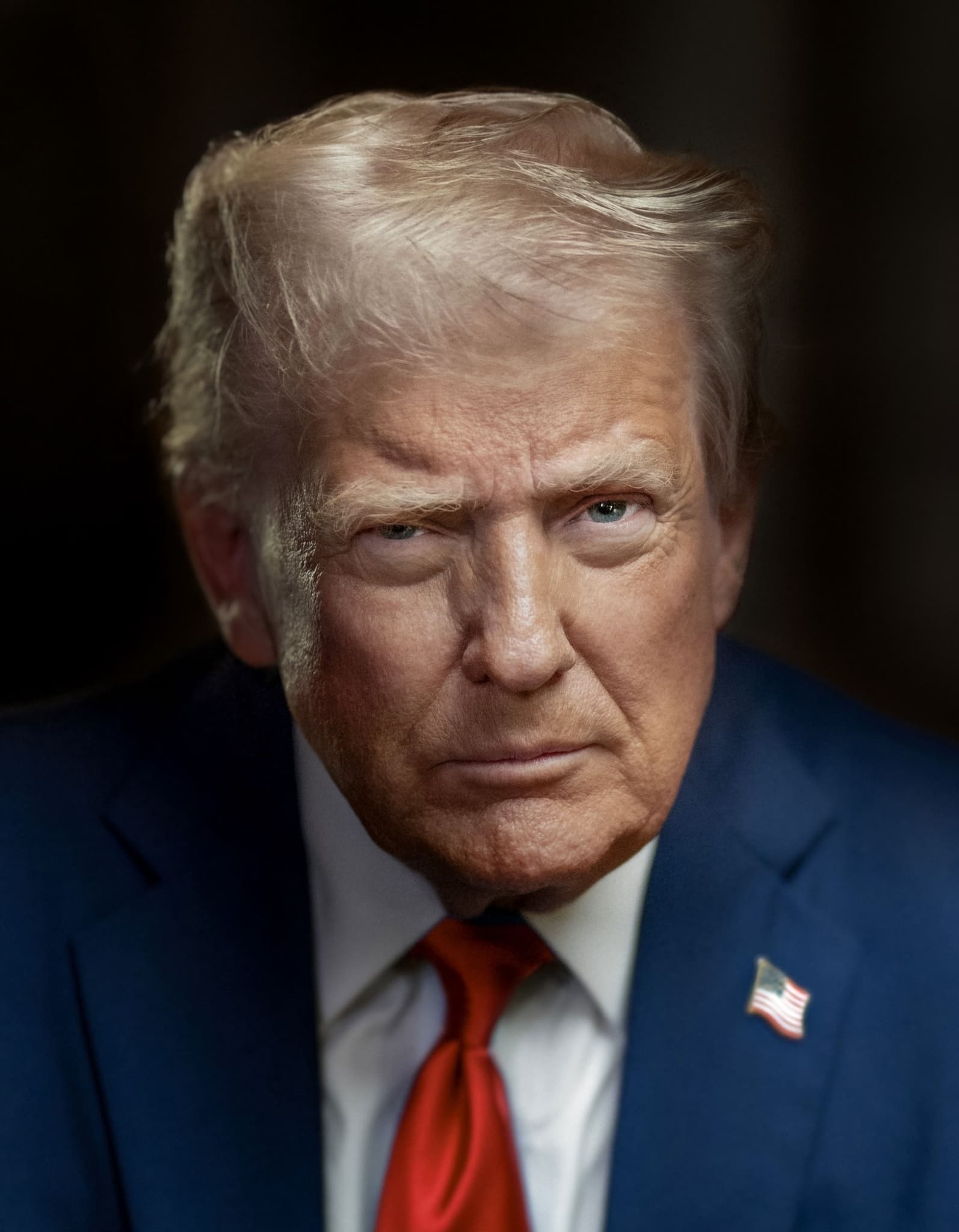
President Trump's recent political actions in Indiana strengthen his hand in shaping the Republican legislative agenda. This consolidation of power signals a shift in momentum for key economic and financial policy initiatives, particularly those advocating for deregulation. Investors are anticipating a less adversarial regulatory climate, especially for sectors like digital assets and fintech. The political alignment removes internal GOP resistance that previously slowed legislative progress on issues critical to the financial technology space, such as stablecoin frameworks and market structure bills. This move clears the path for a more unified and aggressive approach to economic governance from the White House and Capitol Hill, reducing the friction often associated with intra-party disagreements.
Markets reacted positively to the perceived strengthening of a pro-business, deregulation-focused agenda from Washington. The Russell 2000 surged 1.8 percent today to close at $2,845, reflecting optimism for a less constrained business environment. The S&P 500 rose 0.8 percent to $7,259 and the Dow Jones Industrial Average climbed 0.7 percent to $49,298, signaling broad investor confidence. Bitcoin held steady above the $81,000 mark, trading at $81,359, up 1.1 percent in 24 hours, while Ethereum maintained its value at $2,369, showing a 0.2 percent increase. This market performance reflects investor confidence in a potentially streamlined legislative process that favors economic expansion over stringent governmental oversight.
The legislative context of Trump's Indiana play is critical for understanding future policy direction in financial regulation. By solidifying his influence over the GOP, the President gains greater leverage to push his preferred candidates and policy priorities through congressional committees. This includes potential changes in leadership or increased pressure on members of the powerful House Financial Services Committee and the Senate Banking Committee to align with a more pro-innovation, anti-regulatory stance on crypto and fintech. Previously fractured opinions within the Republican caucus on issues like the scope of SEC authority over digital assets or the specifics of a national stablecoin framework are now expected to coalesce under stronger presidential guidance. This newfound unity could expedite the passage of bills that have languished due to internal party disagreements and lack of cohesive direction, promising faster legislative action.
Key stakeholders across the financial and technology sectors are now recalibrating their advocacy strategies in light of this political consolidation. Major crypto lobbying groups, including the Blockchain Association and Coin Center, stand to gain traction, as their consistent calls for clear regulatory clarity and reduced government intervention align closely with the administration's stated direction. Traditional financial institutions actively exploring blockchain technology, such as Fidelity, BlackRock, and BNY Mellon, also stand to benefit from a more predictable and potentially less burdensome regulatory environment. Conversely, proponents of stricter consumer protection, enhanced market oversight, and environmental regulations, including some Democratic lawmakers and consumer advocacy groups, face a more formidable and unified opposition. The power dynamic shifts in favor of large capital interests and industry-backed deregulation, indicating a political win for established players in the digital asset space.
The industry impact of this political consolidation is substantial for companies operating at the intersection of finance and technology, particularly those involved with digital assets. Fintech firms and decentralized finance protocols could see a reduction in compliance costs and an acceleration of product innovation if regulatory barriers are lowered or clarified. For example, stablecoin issuers like Circle and Paxos, which have long sought clear federal guidelines to ensure operational certainty, could see legislative progress on a national framework that bypasses the current patchwork of state-by-state licensing complexities. This environment fosters increased domestic investment and development within the United States, potentially drawing capital and talent away from jurisdictions with more restrictive regulatory regimes. A more unified, less fragmented U.S. regulatory landscape offers a competitive advantage for American innovation.
This shift could manifest in several practical ways across federal agencies. While direct legislative changes often require time, the administration can influence regulatory bodies through strategic appointments and the issuance of new policy directives. SEC Chair Paul Atkins, known for his market-friendly approach and skepticism towards overreach, could see less internal resistance to policies that favor industry flexibility over aggressive enforcement actions. Similarly, the Commodity Futures Trading Commission (CFTC) might adopt a more permissive stance on the listing and trading of new digital asset products, particularly those deemed commodities. The broader implication is a potential recalibration of existing enforcement actions and a more cautious approach to new rule-making that could be perceived as stifling innovation, creating a legal environment where companies might feel more confident in pushing technological boundaries without immediate fear of punitive regulatory reprisal.
The legislative pipeline will be closely watched for accelerated movement on several key fronts impacting financial markets. Stablecoin legislation, which has seen bipartisan interest but stalled on specifics regarding issuance and reserves, is now a prime candidate for accelerated passage, potentially favoring a framework that emphasizes private sector innovation over the development of central bank digital currencies. Discussions around market structure for digital assets, including the precise jurisdictional roles of the SEC and CFTC, could also gain momentum, with a strong push for clearer definitions and streamlined regulatory boundaries. Furthermore, the consolidated GOP influence could impact upcoming judicial appointments, shaping the long-term interpretation of financial laws and the scope of regulatory authority across the nation. These developments will dictate the operational parameters for the entire financial technology sector for years to come, offering long-term clarity.
Sophisticated investors face a significantly altered risk-reward calculus in the digital asset and broader financial markets. A more unified Republican Party under President Trump's direction points to a future of less regulatory friction, potentially higher corporate profits due to reduced compliance burdens, and increased capital flows into innovative sectors. This suggests a strategic pivot towards growth-oriented investments, particularly in companies positioned to benefit from deregulation or expanded market access in the crypto and fintech spaces. While political dynamics can always shift and introduce new variables, the current trajectory indicates a strong tailwind for market participants anticipating a less restrictive U.S. financial landscape, reinforcing reduced governmental oversight and enhanced business freedom.


