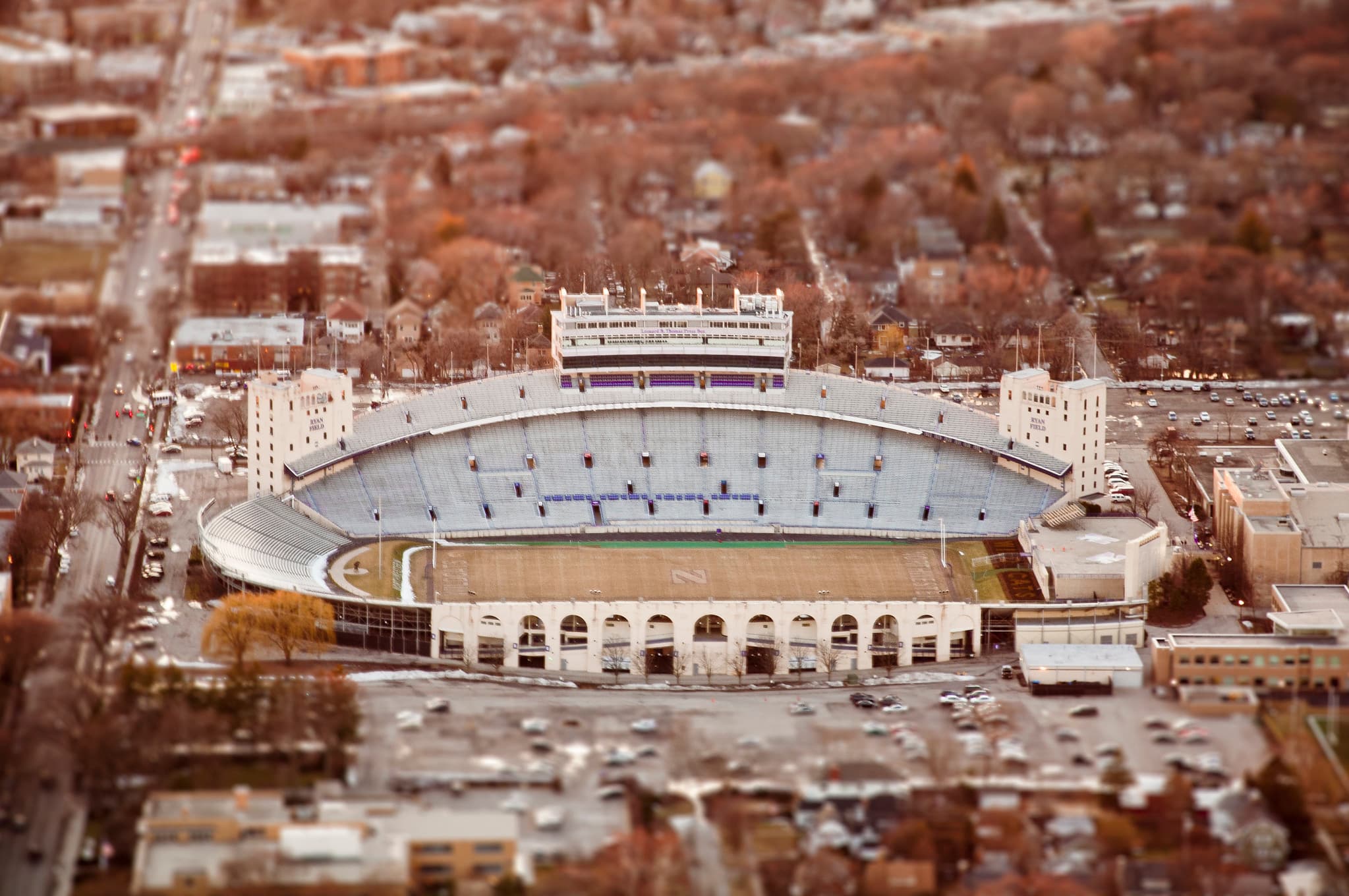
Northwestern University's new Ryan Field, slated for a 2026 opening, will seat just 35,000 fans. This capacity is less than half the average for Big Ten football stadiums, which typically hold more than 70,000 spectators. This is a direct challenge to the traditional "bigger is better" approach that defines college football. The Wildcats are intentionally trading raw attendance for a different kind of value.
The $800 million project, largely funded by a $480 million donation from the Patrick and Shirley Ryan family, represents a calculated business gamble that shifts focus from volume to value. Lower capacity directly enables higher average ticket prices, driving increased revenue per fan through engineered scarcity. The design emphasizes premium seating, luxury suites and expansive hospitality areas, targeting a high-net-worth donor and alumni base. This isn't about filling every seat; it's about maximizing financial yield from every single one.
This intimate design sharply differentiates Northwestern within the Big Ten. While rivals like Michigan Stadium pack in 107,601 fans and Ohio State's Horseshoe hosts 102,780, Ryan Field aims for exclusivity, not ubiquity. The strategy is to cultivate a dedicated, high-value fan demographic, aligning with Northwestern's brand as an elite academic institution rather than a pure football factory. It creates a unique selling proposition in a conference known for its sheer scale, but it also risks alienating broader regional fans who seek the traditional massive game-day experience.
The Wildcats are betting that a superior, more personalized game-day experience will attract both fans and top recruits. The question is whether a smaller venue can generate the same intimidating home-field advantage crucial for Big Ten competition. College football thrives on electric atmospheres born from massive crowds, a factor often cited by recruits. This move prioritizes a curated, high-end experience over raw attendance numbers, a strategy that could either redefine college football venues or simply prove too niche for the conference's demanding stage.


