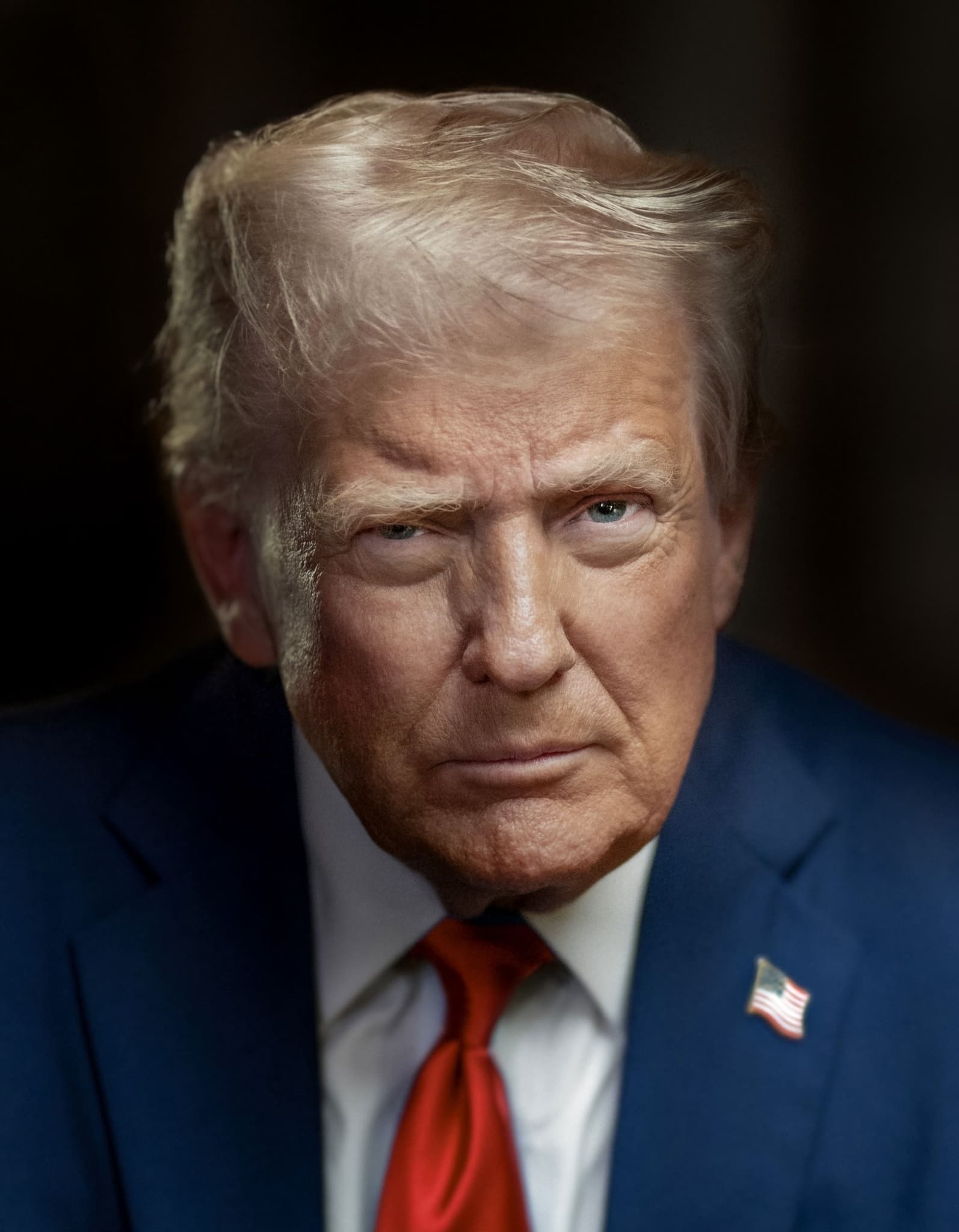
WASHINGTON — President Donald Trump delivered remarks from the Oval Office today, signaling a renewed push on U.S. economic policy as inflation holds above 3 percent for the sixth consecutive month, fueling consumer anxiety and prompting Federal Reserve Chair Jerome Powell to maintain a hawkish stance on interest rates.
Equity markets showed anticipation ahead of the address. The Dow Jones Industrial Average rose 1.2 percent to 49,911, and the S&P 500 gained 1.3 percent to 7,354. Technology stocks outperformed, with Nvidia climbing 5.2 percent to $206.71 and Alphabet up 2.2 percent to $397.00.
A focus on domestic manufacturing and reduced reliance on foreign goods could shift capital flows significantly. Large industrial firms stand to gain from potential new subsidies or tariffs, which would increase the cost of imports and favor local production. The American Iron and Steel Institute spent $1.8 million lobbying Congress in the first quarter, advocating for stronger domestic content requirements in federal projects.
Multinational corporations heavily invested in global supply chains face increased operational costs and regulatory hurdles under such policies. Retailers and consumer goods companies that rely on cheaper foreign components could see margins tighten. This dynamic creates clear winners in domestic industries and potential losers among import-dependent businesses.
The president's address also influences Federal Reserve policy. While the Fed operates independently, presidential remarks on inflation and economic growth often shape public and market expectations, adding pressure on the central bank. Any perceived divergence in economic strategy between the White House and the Fed could introduce volatility into bond markets, impacting borrowing costs for businesses and consumers.
The political capital invested in an Oval Office address signals the administration's resolve to tackle inflation and reshape trade relationships. This commitment empowers agencies like the Commerce Department and the U.S. Trade Representative to pursue more aggressive enforcement of trade laws.


