NEW YORK — Whirlpool Corporation management issued a stark warning that U.S. consumers are exhibiting recession-like behavior, leading to a decline in major appliance sales. The company's stock fell 4.1 percent in early trading, dropping to $108.70 per share. This consumer caution is most pronounced in the premium segment of household goods, impacting high-margin products.
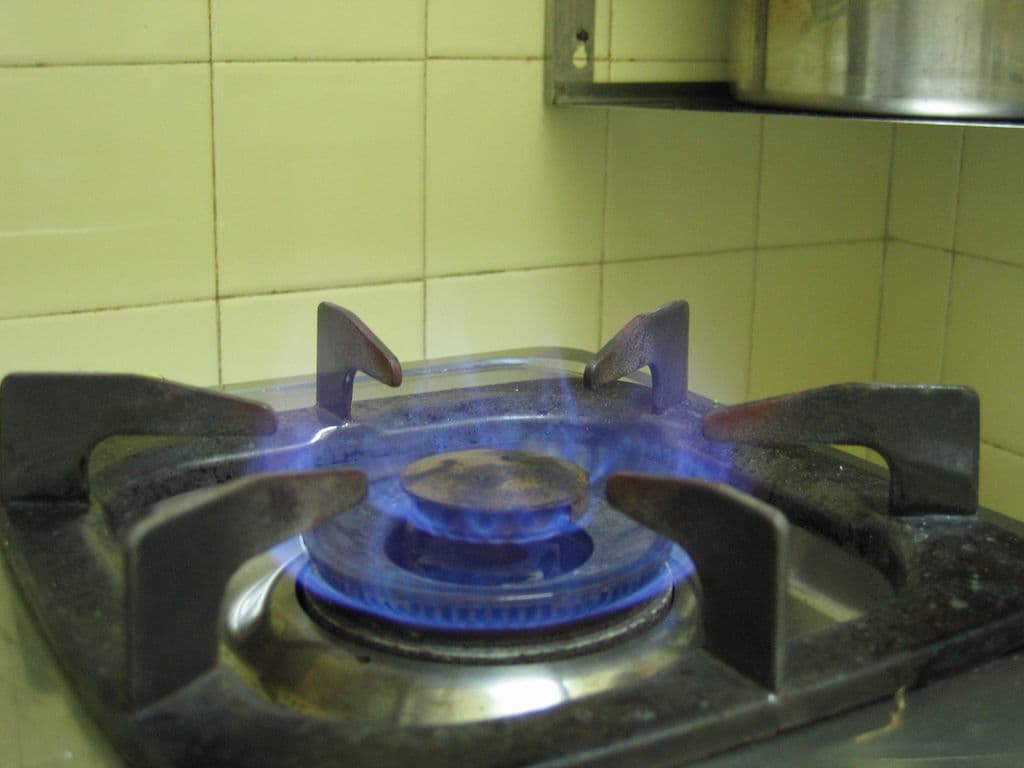
Consumers are actively delaying purchases of items like smart refrigerators, high-efficiency washing machines and integrated kitchen suites, pushing out typical replacement cycles. When households do buy, they are increasingly trading down to less expensive, basic models. This shift directly impacts Whirlpool's average selling prices and profit margins, leading the company to project a three percent decline in full-year revenue, revising its earlier flat guidance. Whirlpool cited a $250 million hit from this reduced demand.
The warning signals potential headwinds for other companies tied to discretionary home spending, including home improvement retailers and building material suppliers. Home Depot and Lowe's could see reduced demand not just for appliances, but also for associated installation services and complementary home renovation projects. Analysts at Wells Fargo cut their price targets on several housing-related stocks, citing Whirlpool's comments as a clear, early demand signal for the broader housing ecosystem.
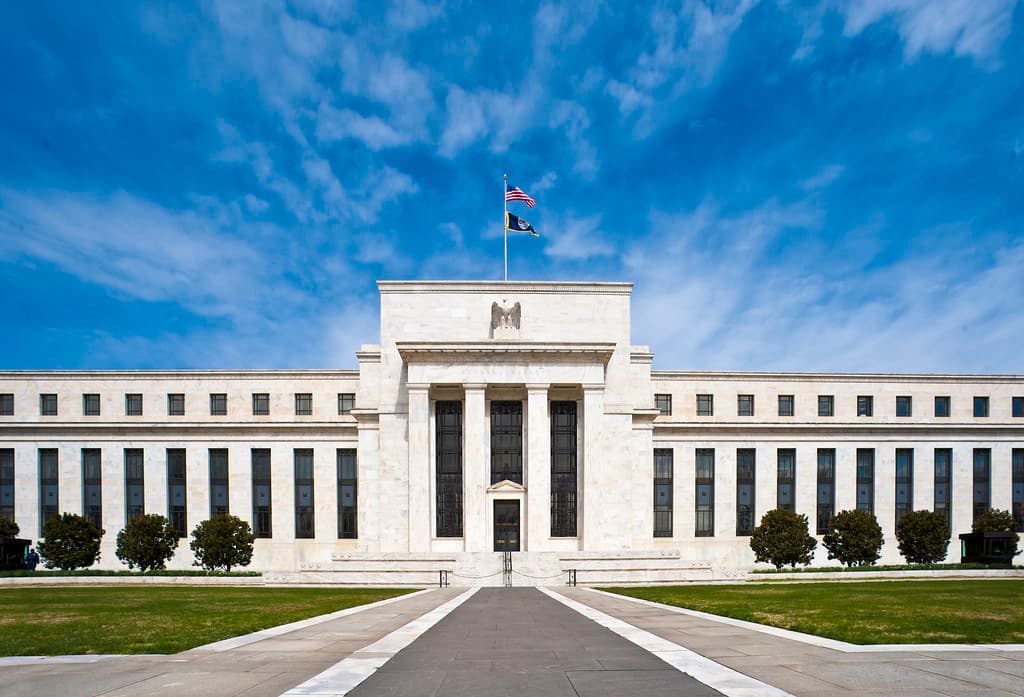
This observed consumer behavior diverges from recent macroeconomic data, which continues to show a robust labor market and steady wage growth across many sectors. Federal Reserve Chair Jerome Powell has consistently cited consumer resilience and strong balance sheets as key pillars of economic strength. Whirlpool's direct sales data, however, presents a contrasting, more granular view of actual household spending priorities compared to aggregate government reports. It suggests a growing gap between perceived economic health and individual purchasing decisions.
Investors are now reassessing the outlook for consumer discretionary stocks, particularly those with exposure to big-ticket items and longer replacement cycles. While some segments, like luxury autos, remain strong — Tesla, a bellwether for discretionary spending, rose 3.3 percent to $411.51 today — the appliance sector often acts as an early indicator of broader consumer financial stress. The market's reaction to Whirlpool highlights a selective concern about segments of the economy susceptible to prolonged inflation and higher interest rates.