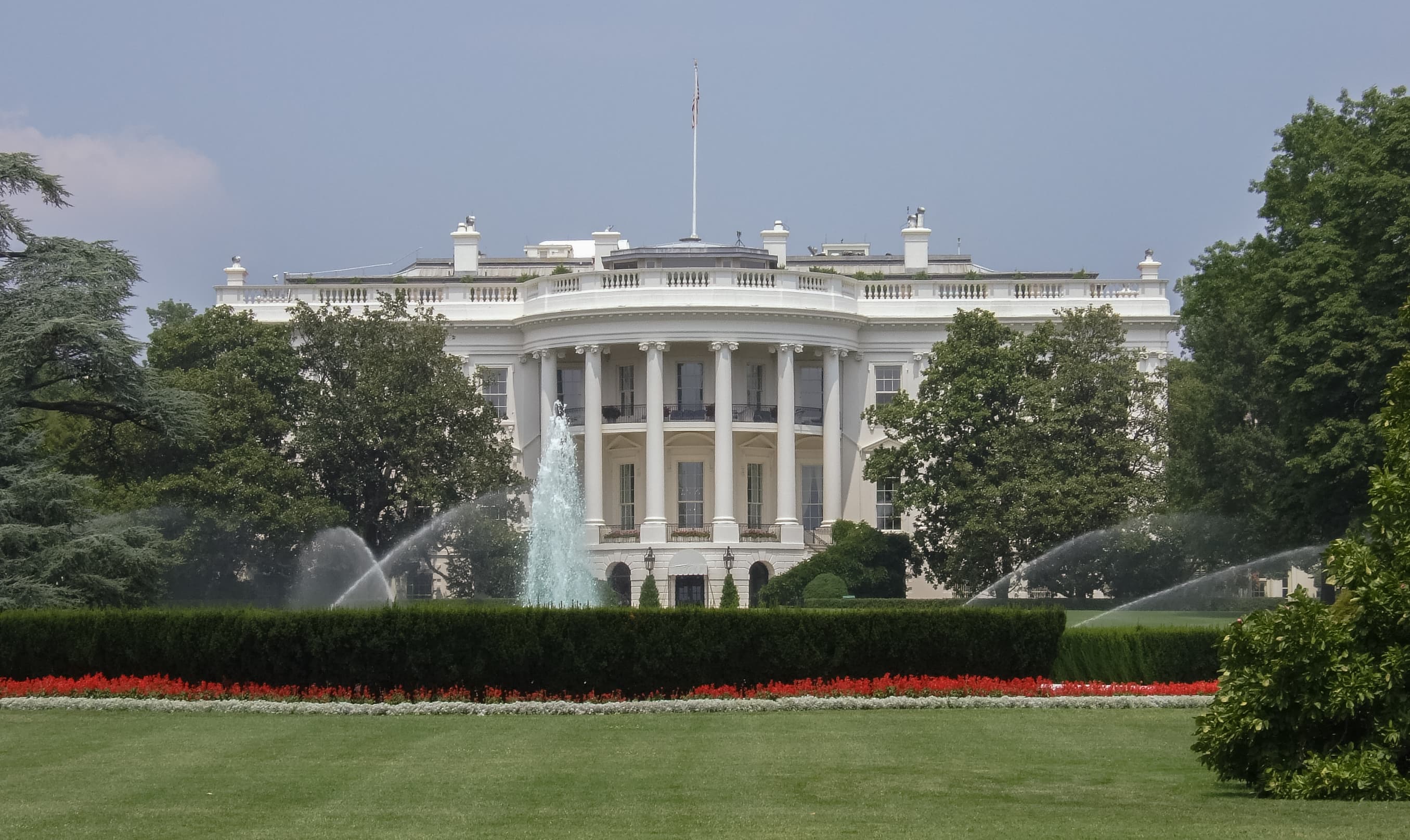
WASHINGTON — AI industry lobbyists are expressing frustration with the White House's disorganized approach to artificial intelligence policy. Companies and trade groups have poured tens of millions of dollars into Washington this year advocating for clear regulations, but see little progress from the Trump administration.
This internal disarray leaves tech giants like Microsoft and Alphabet without a clear regulatory roadmap, stalling investment decisions worth billions. Microsoft stock trades at $415.12, down 1.4 percent today, as investors weigh broader market signals.
The AI Alliance, a consortium backed by IBM and Meta, spent $3.5 million in the first quarter alone, according to OpenSecrets filings, pushing for a regulatory framework to guide AI development. This group aims to shape national standards for AI safety and data privacy, hoping to prevent a fragmented landscape of state-level rules that would complicate compliance and increase operational costs.
Nvidia, a key AI chipmaker trading at $215.20, has increased its lobbying budget by 40 percent this year, focusing on securing federal investment in AI research and development initiatives critical for its hardware business.
The absence of a cohesive White House strategy creates uncertainty across the technology sector, directly impacting investor confidence. Smaller AI startups struggle to plan long-term investments without clear guidelines on data governance, intellectual property or access to compute resources, limiting their ability to innovate and scale.
Larger players like Alphabet, trading at $400.80, can absorb this regulatory ambiguity for longer, potentially consolidating market share as smaller competitors face greater hurdles and higher legal costs. This dynamic concentrates power in the hands of established tech giants.
President Trump's administration has publicly prioritized U.S. leadership in emerging technologies, but the stalled AI policy threatens to slow domestic innovation and job creation. Vice President JD Vance has frequently spoken on AI's importance for national security and economic competitiveness, yet internal coordination on the issue remains a challenge within the executive branch.
The delay in establishing a clear U.S. AI strategy also impacts the nation's competitive standing against China, which has aggressively pursued its own national AI initiatives with significant state backing.


