
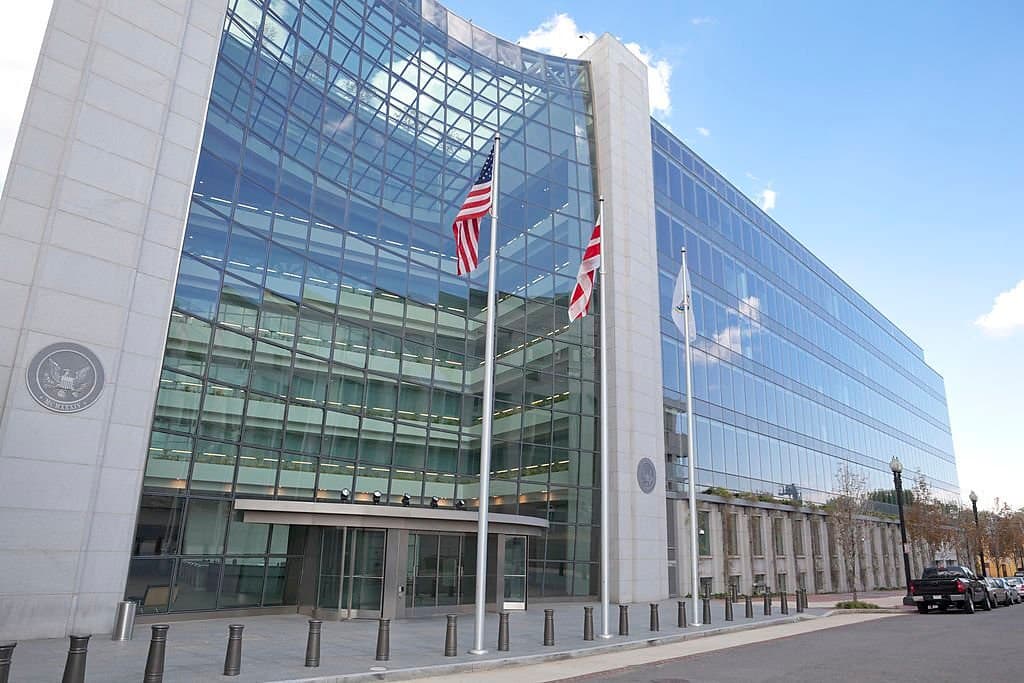
Payward Inc. the parent company of crypto exchange Kraken, submitted its application for a national bank charter with the Office of the Comptroller of the Currency. This move positions Kraken to operate as a federally regulated crypto bank, granting it access to the federal payment system and enabling it to hold customer deposits under direct federal supervision. The application marks a major effort by a crypto player to integrate directly into the traditional financial system.
A federal charter provides regulatory clarity for Kraken and opens new avenues for institutional adoption. It enables the company to offer services such as stablecoin issuance, direct fiat on and off-ramps and potentially lending against digital assets under a bank framework. This structure reduces counterparty risk for large funds and traditional enterprises hesitant about unregulated crypto services, attracting capital flows.
This application follows a trend of crypto firms seeking established financial licenses. Custodia Bank and Protego Trust Bank previously pursued similar OCC charters, encountering regulatory hurdles during the approval process. The OCC, under current leadership, has maintained a cautious stance on new crypto bank applications, emphasizing safety and soundness.
The pursuit of a federal bank charter could unlock institutional capital for the crypto market. Bitcoin trades at $80,094, while Ethereum sits at $2,315. Regulated on-ramps are critical for traditional finance to deploy capital into these assets efficiently. A federally chartered crypto bank streamlines this process, potentially driving billions in new inflows by bridging the gap between digital assets and the existing banking infrastructure.
This move by Payward Inc. also creates a competitive dynamic within the crypto banking sector. Entities like Anchorage Digital already hold federal charters, focusing on institutional custody and settlement. Kraken's push for a full bank charter suggests a broader vision for offering a comprehensive suite of banking services directly to crypto-native businesses and potentially high-net-worth individuals, expanding the scope of regulated crypto finance.

