NEW YORK — The Russell 2000 index, a critical barometer for U.S. small-cap stocks, trades 1.6 percent lower today at 2,840, extending a pattern of underperformance. This contrasts sharply with the Nasdaq's minor 0.1 percent decline and the S&P 500's 0.4 percent drop. The persistent lag in small caps indicates a fragile economic recovery, masking underlying weakness despite continued strength in large-cap technology names.
Small businesses typically generate a greater share of their revenue domestically, making them highly sensitive to U.S. consumer spending and economic growth. Unlike their larger counterparts, many Russell 2000 components rely on variable-rate debt and regional bank lending. These financing channels remain constrained, limiting capital expenditure and expansion for companies outside the tech sector. The tight credit environment directly impacts their profit margins and growth prospects.
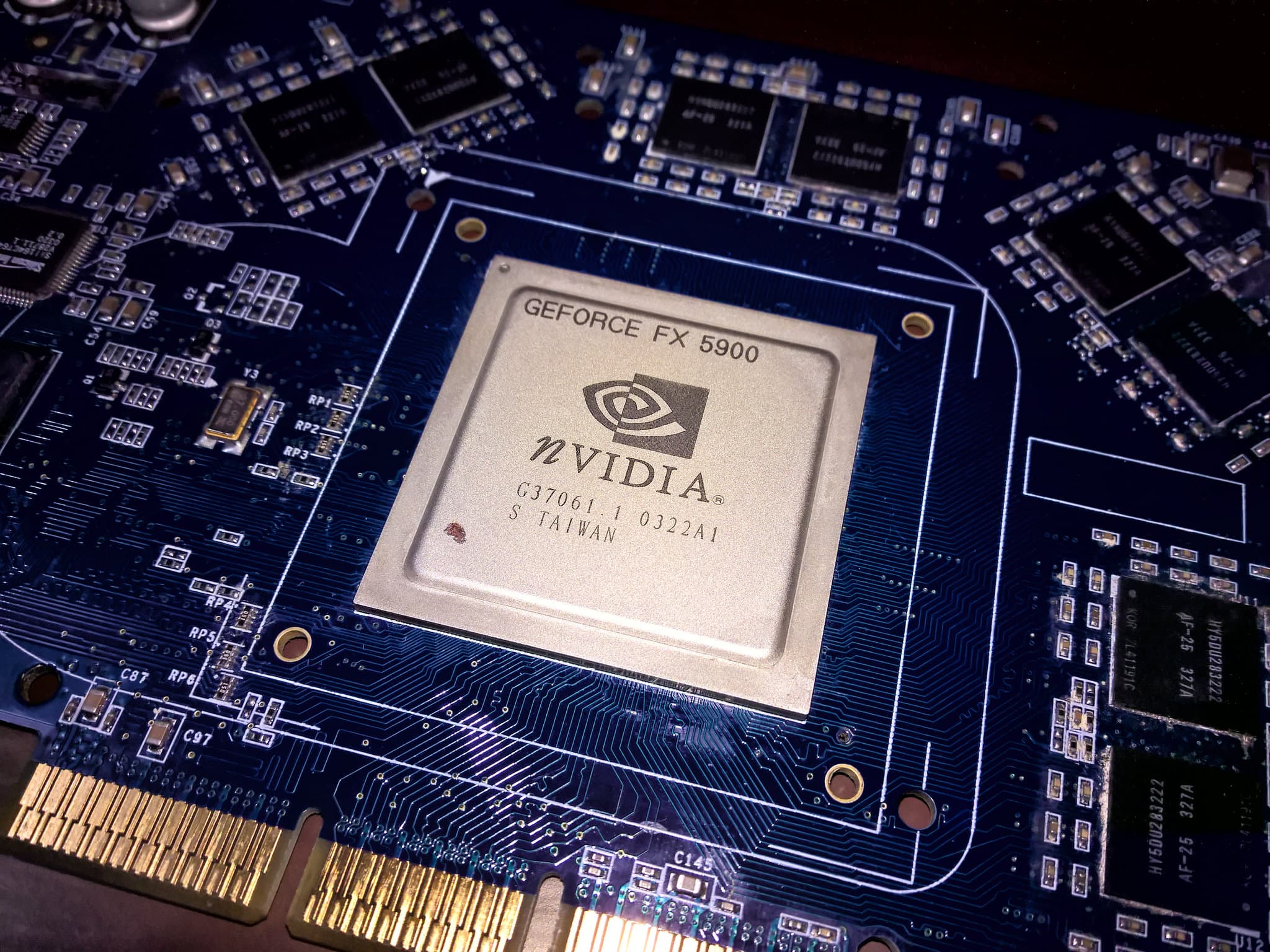
The current market rally remains concentrated around a few mega-cap technology stocks. Companies like Nvidia, up 1.8 percent to $211.50, and Microsoft, up 1.7 percent to $420.77, continue to drive index gains. This narrow leadership leaves the broader market vulnerable; a healthy market typically shows participation across sectors and market capitalizations. The lack of breadth suggests investors are prioritizing perceived safety and growth in established tech over broader economic recovery plays.
This divergence historically precedes periods of increased market volatility or corrections if not resolved. The S&P 500's gains become less sustainable when a large segment of the economy struggles to keep pace. Investors should watch for shifts in Federal Reserve policy, specifically any indications of rate cuts, which could alleviate financial pressure on smaller enterprises. A sustained Russell 2000 recovery requires both easing financial conditions and robust consumer demand, neither of which appears imminent.
Companies like Roku and Wayfair, both Russell 2000 constituents, have faced headwinds from slowing consumer discretionary spending. Their valuations remain suppressed compared to pre-pandemic levels, reflecting investor skepticism. A rebound in these names would signal a more broad-based economic improvement, offering a stronger foundation for the overall market.