NEW YORK — Financial commentator Jim Cramer said investors should still buy artificial intelligence winners, emphasizing that it's "not too late" for new positions. His comments follow a strong day for tech, with the Nasdaq rising 1.7 percent to 26,247. The S&P 500 gained 0.8 percent, closing at 7,399.
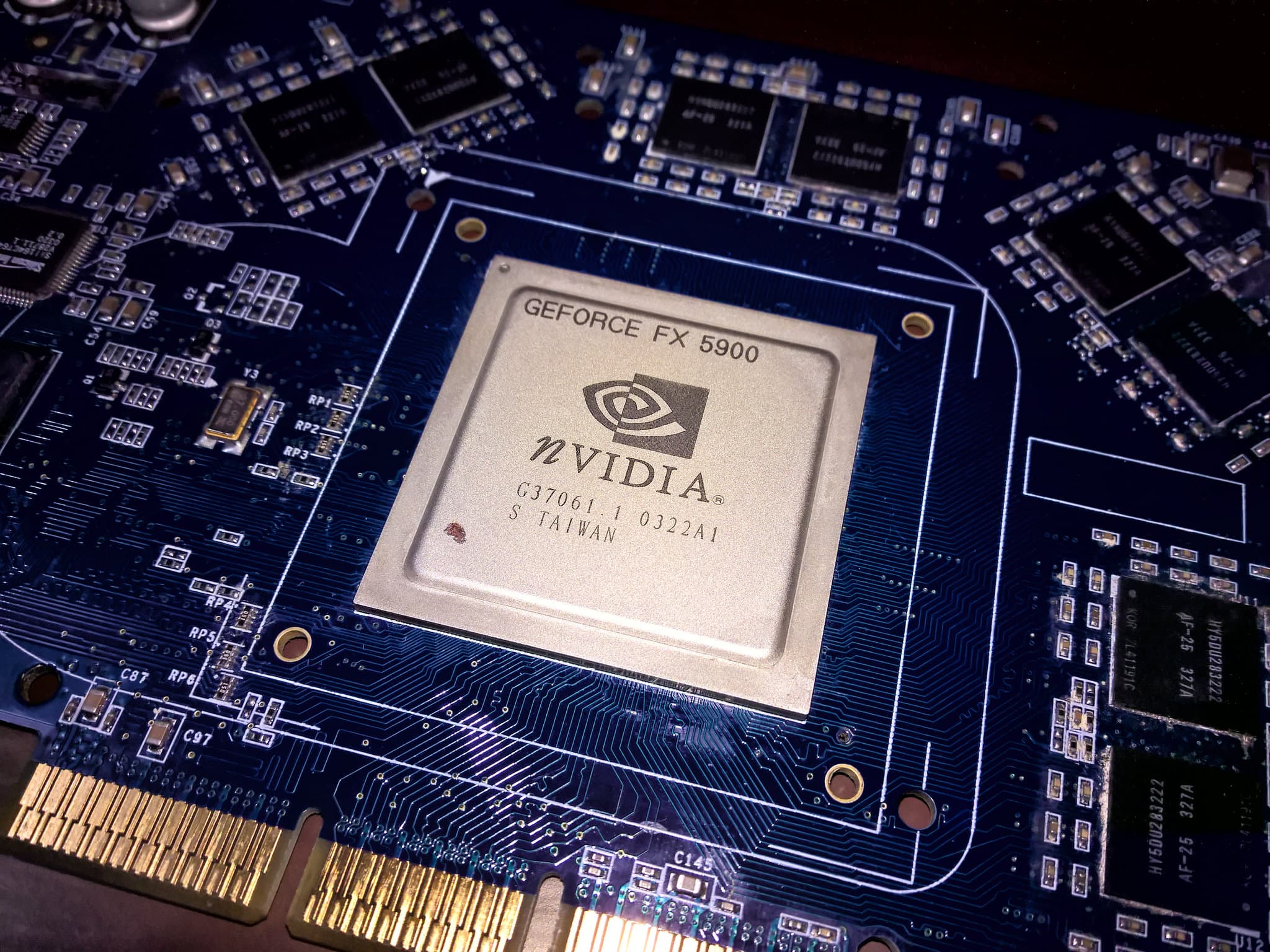
Nvidia, a core AI infrastructure provider, traded at $215.20 today, marking a 1.8 percent increase. The company's Blackwell architecture continues to see strong orders, selling out production through mid-2026. This sustained demand supports the company's valuation and growth projections. Other major technology firms with AI exposure showed mixed results. Microsoft closed at $415.12, down 1.4 percent, while Alphabet rose 0.7 percent to $400.80. Amazon gained 0.6 percent to $272.68.
Demand for AI hardware and software remains strong, extending beyond the initial hyperscaler buildout. Enterprises continue to invest heavily in data center expansion and advanced computing capabilities for internal AI applications. This spending directly benefits chipmakers like Nvidia and cloud service providers such as Microsoft Azure and Google Cloud. Analysts at Goldman Sachs project global AI market spending will exceed $500 billion by 2027, indicating a durable growth cycle.
Cramer's stance reflects expectations for sustained growth as AI applications move beyond initial model training to broader enterprise deployment. New use cases are emerging across diverse sectors, including drug discovery, personalized advertising and industrial automation. These developments could drive a second wave of revenue growth for companies with established AI platforms and strong intellectual property.
Catalysts include upcoming product cycles and increased monetization of AI features within existing software. Microsoft integrates AI tools across its Office suite and enterprise solutions, driving subscription growth. Alphabet uses AI in search, cloud services and autonomous driving divisions. These companies offer diversified exposure to the expanding AI economy.
The market's current Fear & Greed Index reading of 38, indicating fear, suggests some investor caution persists despite the tech rally. This environment may offer strategic entry points for long-term investors in companies that demonstrate clear AI monetization strategies, strong earnings trajectories and competitive advantages in specialized AI segments.