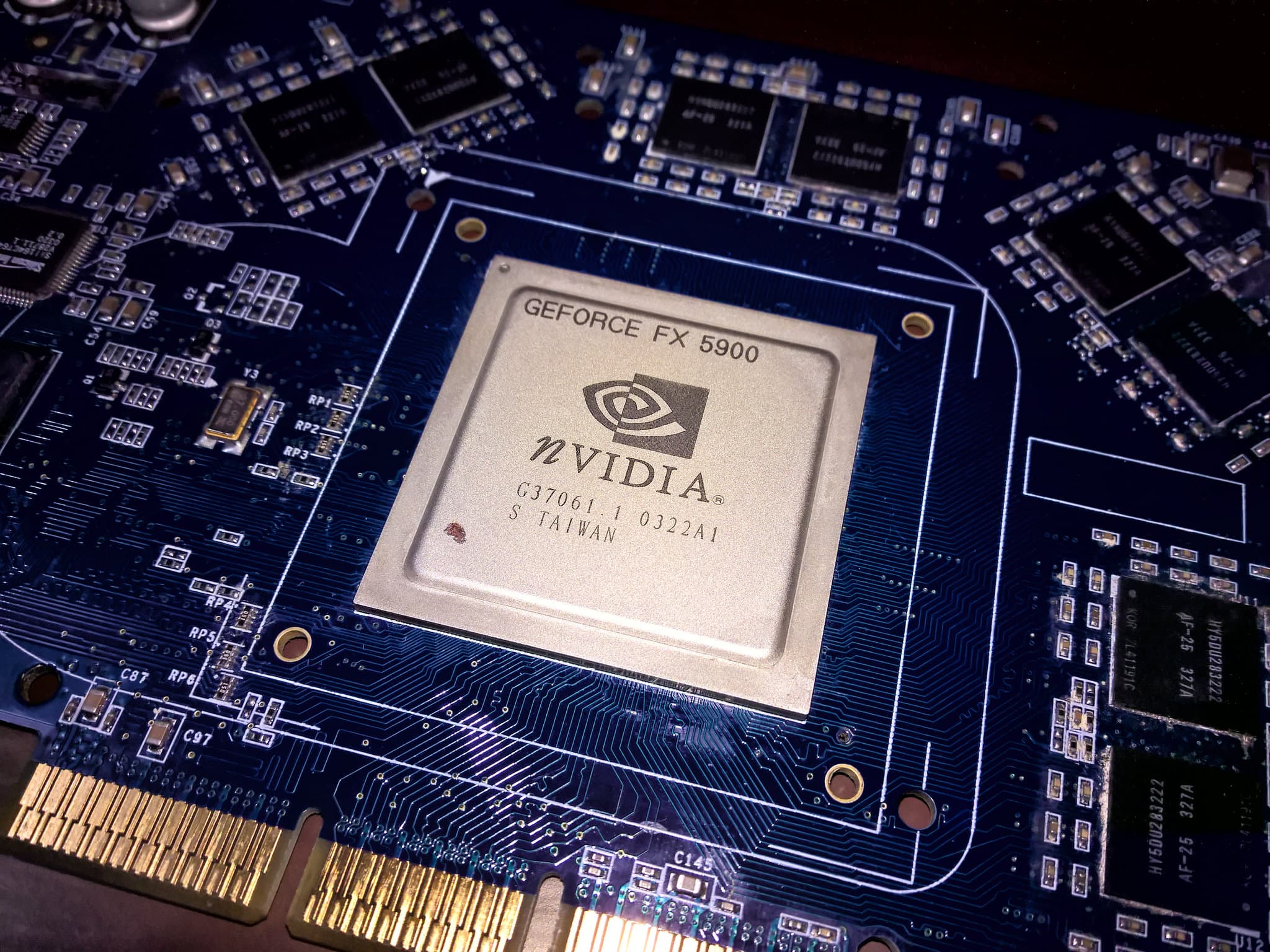
NEW YORK — AMD stock rose 320 percent over the past year, outperforming many semiconductor peers as demand for AI accelerators surged. This gain positions Advanced Micro Devices as a formidable challenger to Nvidia, which currently trades at $215.20. Investors are re-evaluating the long-term competitive landscape for AI infrastructure spending as AMD expands its market presence.
AMD's MI300X Instinct accelerator is a primary catalyst for its recent performance, targeting large language model inference and training workloads. The company secured multiple design wins with major cloud providers and enterprise customers throughout 2024, expanding its data center revenue stream. AMD projects its AI chip sales to reach $3.5 billion in 2025, an increase from earlier guidance.
Nvidia still commands the vast majority of the AI accelerator market, using its dominant CUDA software platform and extensive developer community. Its H100 and upcoming Blackwell architecture remain the preferred choice for many AI model developers and research institutions worldwide. Analysts at Goldman Sachs recently reiterated an Overweight rating on Nvidia, citing its ecosystem advantage and consistent product roadmap as key differentiators.
While AMD gains traction, Nvidia continues to innovate with strong financial performance and strategic reinvestment in next-generation technologies. The company reported first-quarter revenue of $26 billion in Q1 2025, driven by its data center division's 427 percent year-over-year growth. This scale allows Nvidia to invest heavily in both hardware and software development, further entrenching its market lead against competitors.
Investors must track AMD's ability to scale MI300X production and expand its ROCm software ecosystem to rival CUDA's established dominance. Nvidia's defensibility hinges on its continued innovation and maintaining its pricing power in a market with increasing competition. The sustained growth in overall AI infrastructure spending suggests room for multiple players, but market share shifts will impact future chip sector valuations.