
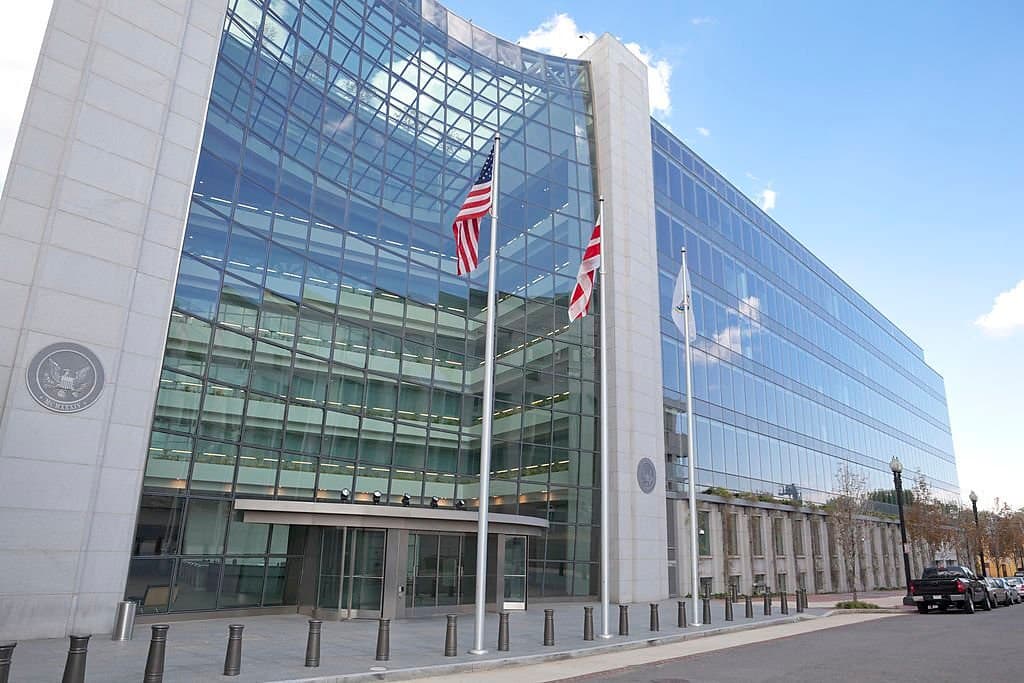
WASHINGTON — The U.S. Senate Banking Committee released the full 309-page text of the CLARITY Act today, setting the stage for Thursday's markup. The comprehensive bill includes provisions for stablecoin yield restrictions and explicit protections for DeFi developers. This legislative move signals a clear intent to regulate the digital asset space while fostering innovation.
The proposed stablecoin yield restrictions target mechanisms that generate returns on fiat-backed digital assets. This impacts protocols like Aave and Compound, where users earn interest by lending stablecoins such as USDC and USDT. For many investors, the appeal of DeFi has been the ability to generate higher yields than traditional finance, often exceeding five percent. Limiting these returns could shift significant liquidity away from U.S.-domiciled stablecoins into offshore alternatives or other yield-bearing crypto assets.
The CLARITY Act includes protections for decentralized finance developers. These provisions aim to shield builders of non-custodial protocols from certain liabilities, fostering an environment for continued innovation. This clarity could encourage new projects to launch in the United States, potentially increasing total value locked in compliant DeFi ecosystems. Such protections are crucial for the long-term health and growth of the blockchain industry.
The market is now weighing these dual impacts. While yield restrictions could cool some stablecoin demand, the developer protections offer a strong bullish signal for the underlying technology. Bitcoin trades at $80,902, showing resilience, and Ethereum, the backbone of much DeFi activity, sits at $2,293. The legislative clarity, even with some constraints, is often preferred by institutional capital seeking defined operational parameters.
The CLARITY Act now moves to the Senate Banking Committee for its scheduled markup on Thursday. This session will involve debate and potential amendments to the bill's language. The outcome of this markup will determine the bill's path forward to a full Senate vote and its ultimate impact on the digital asset economy.