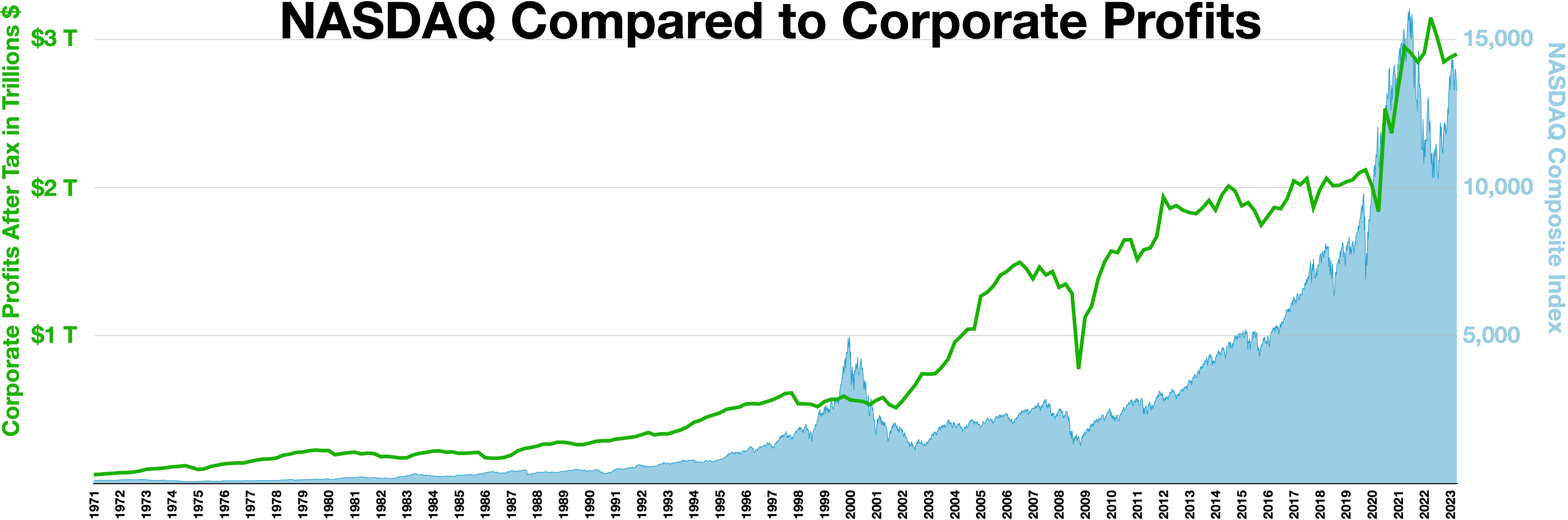
Nasdaq's realized volatility on up days in May was 10 times higher than on down days, according to analysis from Nomura. This pattern indicates a market where concentrated buying power drives sharp rallies, while selling pressure is more diffused. The finding suggests distinct investor behavior within the technology-heavy index, favoring swift accumulation over sustained liquidation.
Today's market movements reflect this trend. Nvidia (NVDA) shares rose 2.0 percent to $219.44, and Tesla (TSLA) gained 3.9 percent to $445.00, contributing to potential up-day volatility. Conversely, Alphabet (GOOGL) shares dropped 3.0 percent to $388.64, and Amazon (AMZN) fell 1.4 percent to $268.99. The Nasdaq Composite rose 0.1 percent to 26,274, suggesting that even with some selling, strong buying in key names drives the overall index direction upward.
This data implies that investors are quick to pile into positive catalysts for specific technology stocks, but less prone to panic selling on negative news. The market appears to reward strong earnings and future growth narratives with aggressive buying. This pattern creates a challenging environment for short sellers, as any positive news can trigger large moves. The current environment favors a selective long strategy in companies with clear growth drivers.
The strength in artificial intelligence and cloud computing continues to fuel this disparity. Companies like Microsoft (MSFT), down 0.6 percent today to $412.66, and Apple (AAPL), down 0.2 percent to $292.68, demonstrate resilience even on down days for individual names. The broader market, as shown by the S&P 500's 0.2 percent gain to 7,413, also supports this tech-led momentum.
The next test for this volatility dynamic will come during Q2 earnings season, beginning in mid-July. Major technology companies will report results, providing fresh catalysts or headwinds. Specifically, investor days or new guidance from companies like Nvidia or Microsoft could either reinforce or challenge the current trading patterns.