
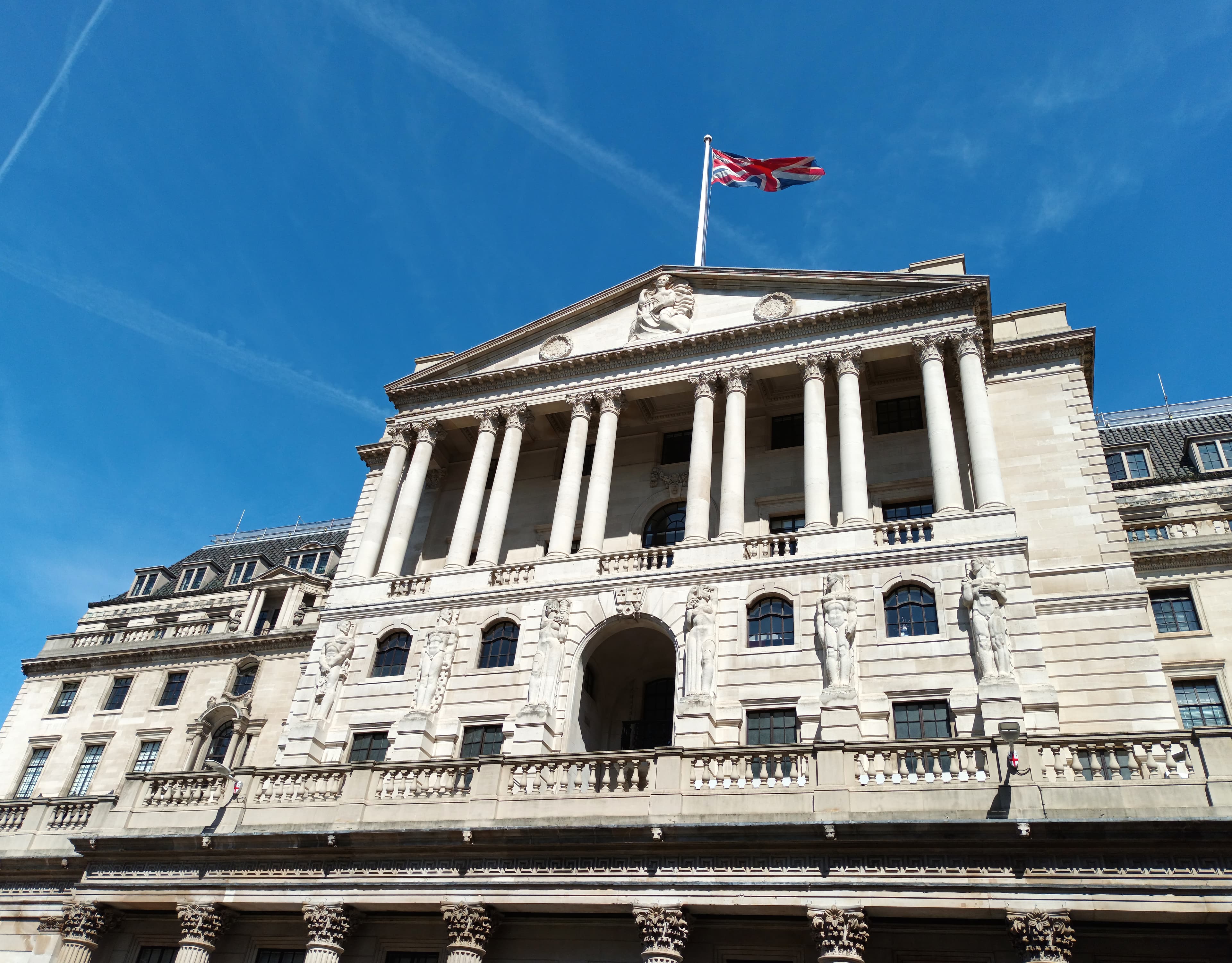
LONDON — The Bank of England is preparing to ease its proposed stablecoin regulations after significant industry pushback over the past year. This policy shift signals a more pragmatic approach to digital asset oversight, moving away from earlier stringent proposals that threatened to stifle growth. The United Kingdom aims to position itself as a global hub for crypto innovation, and this adjustment supports that strategic objective.
Regulators will scale back specific requirements, particularly concerning capital reserves and eligible asset backing for non-systemic stablecoins. Initial proposals mandated full one-to-one backing with central bank reserves or highly liquid government bonds, a standard deemed overly restrictive by many issuers. The revised framework will likely allow for a broader range of high-quality liquid assets, such as commercial paper or short-term corporate bonds, increasing operational flexibility for stablecoin providers. This change reduces the immediate capital burden on firms looking to operate in the U.K.
This easing directly benefits established stablecoin providers like Circle and Tether, potentially lowering their compliance costs and expanding their operational scope for U.K.-based offerings. It creates a more attractive environment for new stablecoin projects to launch and scale within the jurisdiction. Increased clarity on regulatory expectations supports greater liquidity and broader adoption of regulated stablecoins across the U.K. financial ecosystem, from institutional settlements to retail payments.
The decision reflects a global trend of central banks balancing financial stability with technological advancement in digital currencies. While the broader crypto market shows hesitation, with Bitcoin at $79,314 and Ethereum at $2,252, both down more than two percent in 24 hours, regulatory clarity for stablecoins provides a positive structural development. This policy change removes a key hurdle for institutional players considering U.K.-based stablecoin services, potentially driving new capital inflows into the sector.
The Bank of England's original framework, outlined in a 2023 consultation paper, categorized stablecoins as systemic or non-systemic. The adjustments primarily target the non-systemic category, allowing for more tailored supervision rather than a one-size-fits-all approach. This regulatory stance acknowledges the varying risk profiles of different stablecoin operations, promoting responsible growth without imposing unnecessary burdens on smaller or newer market participants.

