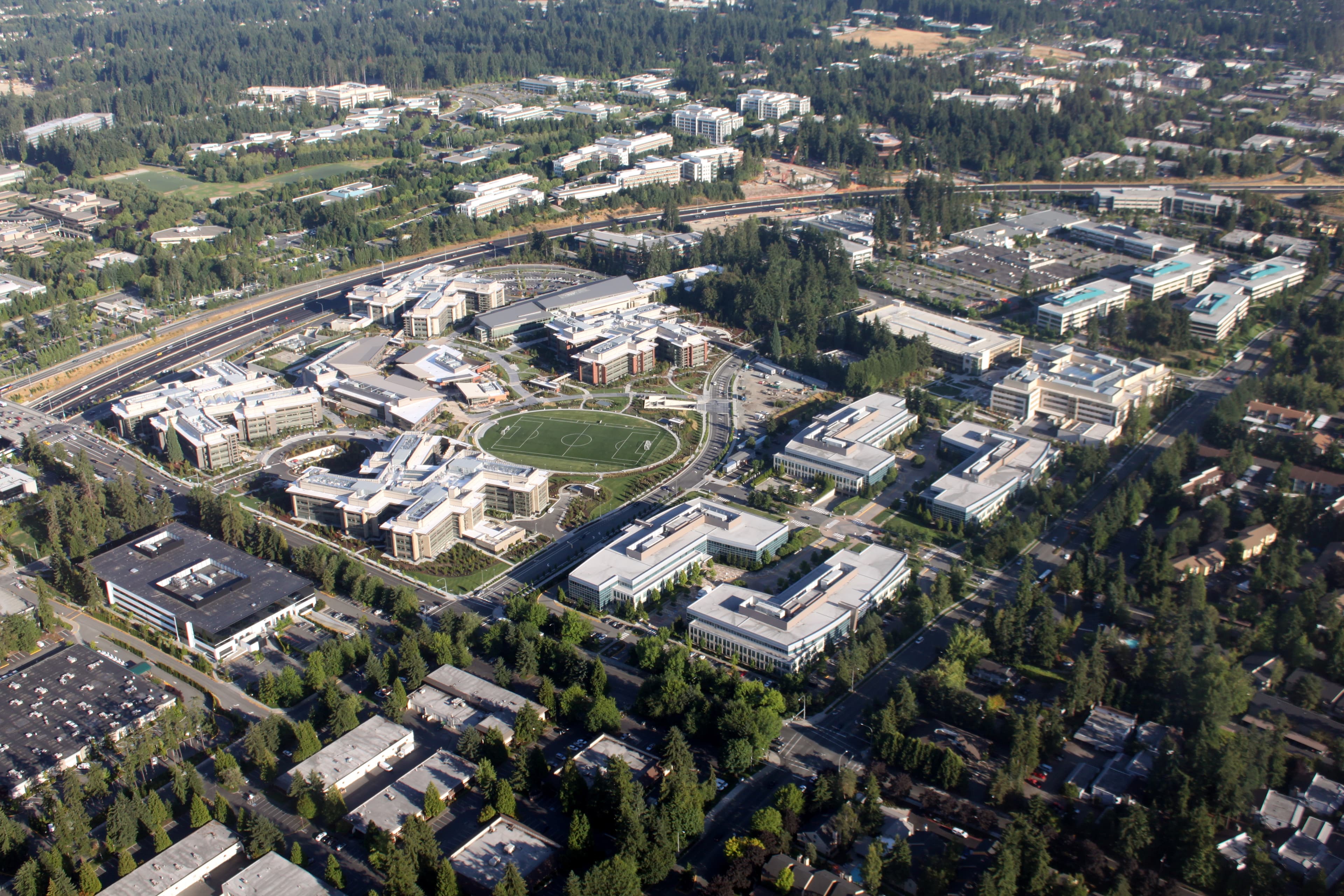
Microsoft shares rose 3.1 percent, closing at $422.27, contrasting with the broader market decline. The Nasdaq fell 1.3 percent to 26,280, underscoring the company's strength. Investors are showing high conviction in Microsoft's strategic execution within the generative AI landscape.
This rally follows a fresh analyst upgrade from Wedbush Securities, which reiterated an "Outperform" rating and a $475 price target. Analysts cited accelerating demand for Microsoft's enterprise Copilot offerings and strong growth in its Azure AI cloud segment. Microsoft's ecosystem, integrating AI across its software and cloud infrastructure, provides a competitive moat.
Cerebras Systems, a developer of specialized AI processors, saw its stock rise more than seven percent in midday trading. The company confirmed a new contract to deploy its Wafer-Scale Engine technology for a major U.S. government research lab. This deal expands the lab's AI supercomputing capacity and validates Cerebras' strategy of targeting large-scale, dedicated AI deployments.
ServiceNow stock also climbed, gaining 2.4 percent. The enterprise workflow software provider benefits from increased corporate investment in automation and AI-powered solutions, a secular trend for 2026. Its platform, which integrates generative AI capabilities, helps large organizations streamline operations, leading to efficiency gains and cost savings.
Papa John's International shares dropped 3.2 percent, trading lower as midday approached. The quick-service restaurant chain faces pressure from elevated commodity costs, especially for key ingredients like cheese and labor. Raymond James analysts downgraded the stock to "Market Perform," citing a challenging outlook for same-store sales growth and a cautious consumer discretionary spending environment through the second half of the year.
The divergent performance among these stocks highlights a clearly bifurcated market. AI-driven technology companies like Microsoft, Cerebras and ServiceNow continue to attract capital flows, driven by tangible growth catalysts. Conversely, consumer-facing businesses such as Papa John's struggle against inflationary headwinds and tighter household budgets, signaling a continued preference for growth narratives over defensive plays.