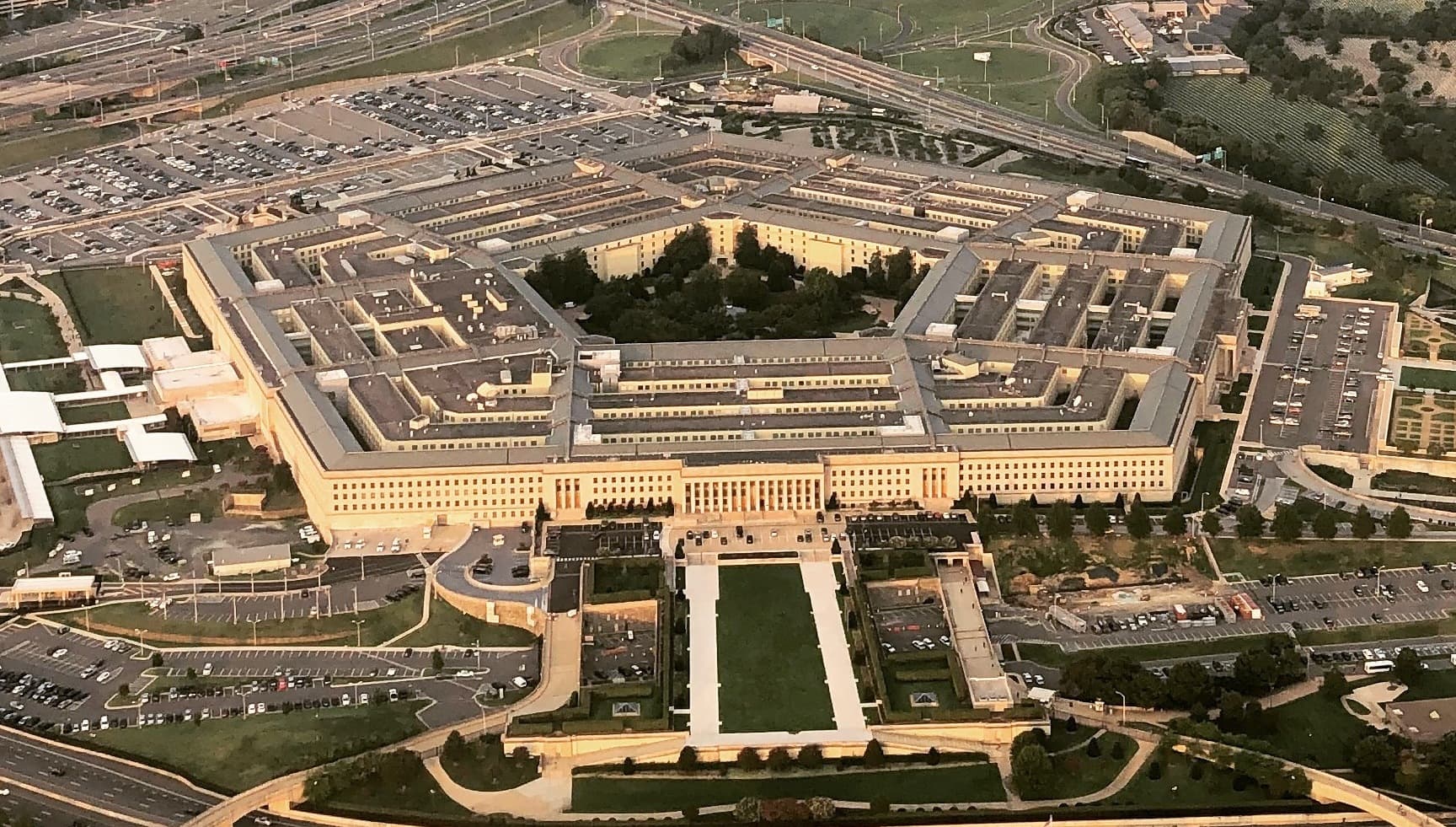
WASHINGTON—The Pentagon formally requested 3,000 National Guard troops for deployment in Washington, designating them for federal property security from June through Sept. The "summer surge" proposal targets U.S. government buildings, national monuments and key infrastructure sites across the capital.
The three-month operation carries an estimated $120 million price tag, drawing funds directly from the Department of Defense's annual operations and maintenance budget. The cost covers troop salaries, housing, transportation and equipment, including specialized gear for crowd control. Defense contractors specializing in logistics and temporary infrastructure stand to secure millions in federal contracts, providing everything from catering services to mobile command centers. The allocation diverts resources from other military readiness programs and training exercises.
President Trump's administration has consistently prioritized security for federal assets and personnel in the capital, particularly following instances of civil unrest during his previous term. The White House views the deployment as necessary to maintain order during the warmer months, a period often marked by increased public gatherings and protests.
Congressional scrutiny of the surge is expected, with members of the House Appropriations Committee likely to question the necessity and cost-effectiveness of a prolonged military presence. Representative Ken Calvert (R-CA), a key Republican voice on the Defense Appropriations Subcommittee, has historically pushed for detailed justifications on such expenditures, demanding transparency in federal spending. Critics from civil liberties groups and some Democratic lawmakers argue the deployment could militarize the capital and infringe on protest rights.
The visible presence of National Guard troops could deter tourism and patronage for local businesses, including restaurants, hotels and retail establishments, which rely heavily on summer visitors. Washington's hospitality sector, already recovering from earlier economic downturns, could see revenue declines, impacting thousands of jobs. Conversely, security service providers, defense logistics firms and suppliers of non-lethal equipment could experience a revenue boost from the increased federal contracts and operational spending.