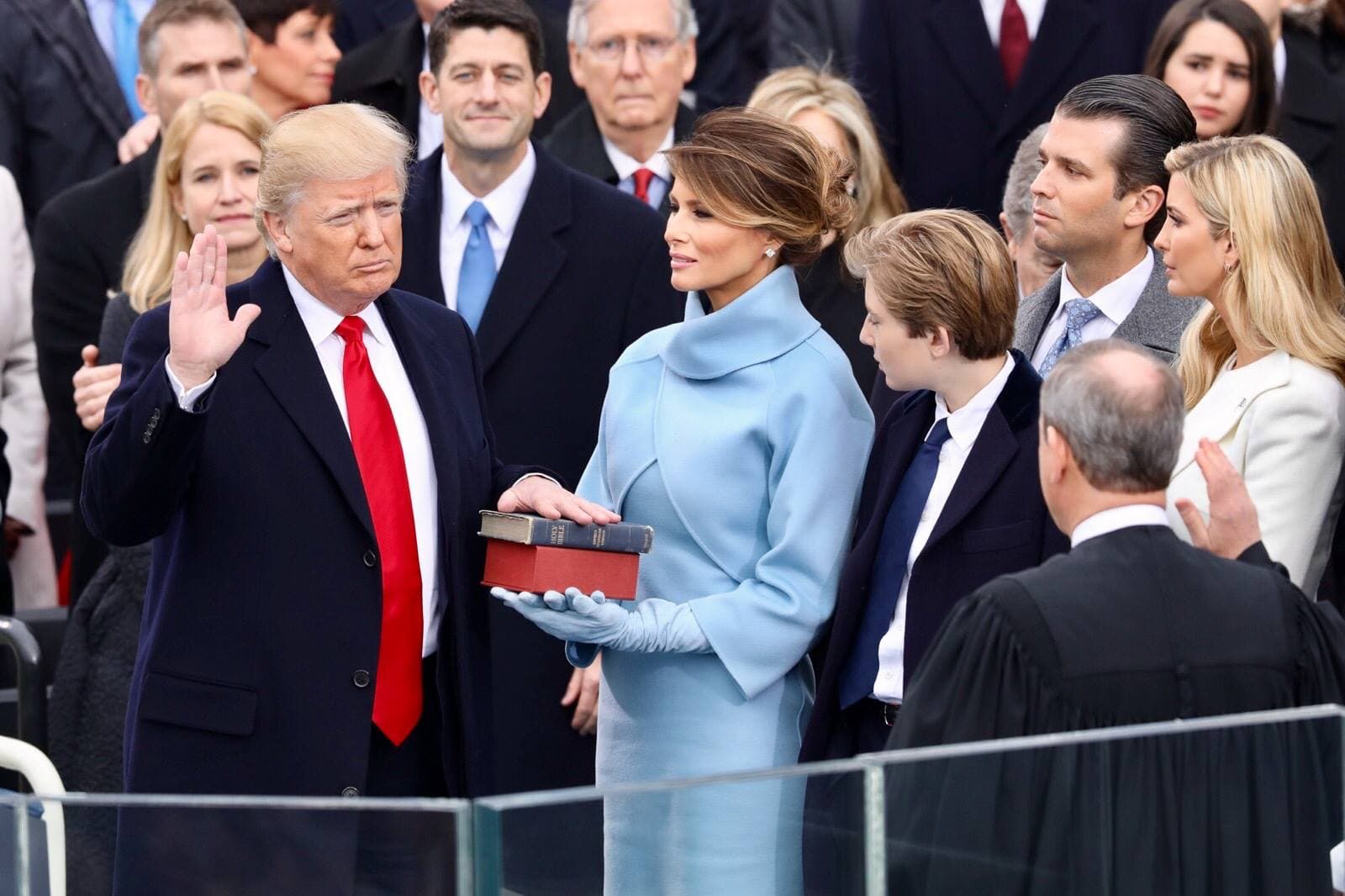
WASHINGTON — President Trump built his initial 2016 brand on anti-establishment rhetoric, largely self-funding his primary campaign with more than $60 million in loans. Now, as a sitting president, his campaign and affiliated PACs command massive fundraising from traditional GOP donors, corporate PACs and super PACs like America First Action, which spent more than $100 million in the 2020 election cycle supporting his agenda. His current position makes him the ultimate insider, dictating party strategy and redirecting financial influence toward his political objectives.
Sen. Bernie Sanders consistently championed an outsider position by rejecting corporate PAC money and large-dollar donations, framing himself against the Democratic Party establishment. His 2020 presidential campaign raised more than $160 million from more than two million individual contributors, with an average donation of just $18. This financial model, while powerful in its grassroots appeal, meant he lacked the direct corporate lobbying support that fuels many mainstream campaigns, limiting his influence with traditional party power brokers.
Barack Obama's 2008 campaign promised change and new leadership, effectively using an outsider narrative. While his campaign did pioneer online small-dollar fundraising, it also drew heavily from major corporate interests, Wall Street firms and Hollywood executives. His 2008 campaign raised more than $750 million, a record at the time, indicating a blend of grassroots enthusiasm and substantial established financial backing, demonstrating a strategic embrace of both new and old money sources.
The outsider label functions as a strategic political narrative, not a fixed financial reality. For corporate lobbyists and special interest groups, identifying which candidates can deliver on policy—regardless of their rhetorical branding—drives their investment and influence. The National Association of Manufacturers, for instance, consistently prioritizes candidates with a clear path to legislative power, often funneling contributions through affiliated trade associations and industry PACs totaling millions each cycle.
The true outsider often faces an uphill battle against entrenched party infrastructure and its vast financial resources. However, when an outsider gains power, as President Trump did, they quickly co-opt the very systems they once railed against. This redirects influence and money toward their own agenda and loyalists. The label shifts, but the pursuit of power and its financial lubrication remains a constant in Washington.


