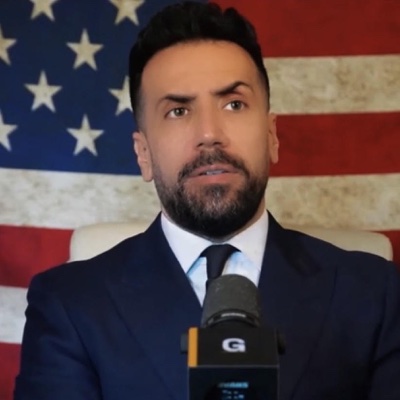

Hyperliquid co-founder Jeff Yan met with U.S. policymakers this week, initiating discussions on integrating on-chain derivatives markets into federal regulatory frameworks. This engagement signals a proactive move by a major decentralized exchange to seek clarity within the United States. The talks focused on how protocols like Hyperliquid, which facilitate perpetual futures trading, can operate within existing or new legal structures, aiming to bridge the gap between DeFi innovation and traditional oversight.
On-chain derivatives platforms currently manage substantial trading volumes, with global open interest across the sector often exceeding $1 billion. These protocols allow direct peer-to-peer trading of synthetic assets and leverage positions, bypassing traditional financial intermediaries. The lack of explicit U.S. regulatory guidance has historically limited institutional participation and kept a substantial portion of this market operating from offshore jurisdictions.
Yan's direct dialogue with federal officials could establish a crucial precedent for other decentralized finance projects. This proactive approach contrasts with past industry strategies that often waited for enforcement actions or relied on ambiguous legal interpretations. A structured framework would unlock substantial capital, particularly from regulated entities and traditional finance firms currently assessing their crypto exposure.
The broader crypto market remains dynamic, with Bitcoin trading at $78,233 after a 1.2 percent drop in 24 hours. Ethereum trades at $2,179, down 2.0 percent over the same period. SEC Chair Paul Atkins has consistently emphasized the agency's focus on investor protection and market integrity, suggesting a willingness to engage with firms that demonstrate compliance efforts. The approval of spot Bitcoin and Ethereum ETFs in 2024 already showed growing acceptance of regulated crypto products in the United States.
Successful integration of on-chain derivatives into U.S. regulation would reshape the competitive landscape. It would allow domestic investors and institutions to directly access these markets with greater legal certainty, potentially drawing liquidity from currently unregulated platforms.