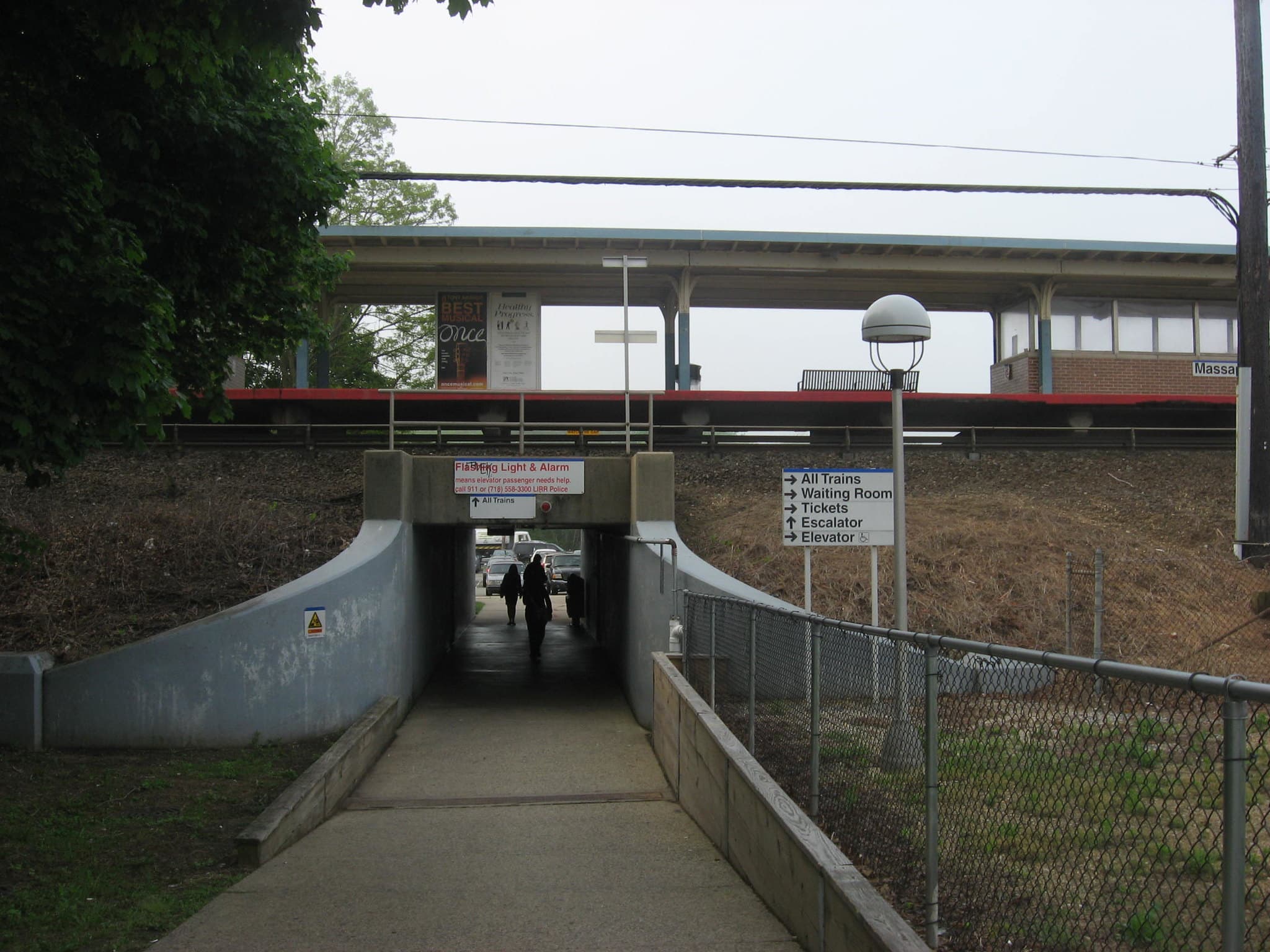
The Long Island Rail Road strike ended today after union leadership and the Metropolitan Transportation Authority reached a new contract agreement. The deal includes wage increases and benefit improvements for the LIRR's thousands of unionized employees. This restores service for approximately 200,000 daily commuters who rely on the railroad for access to New York City. Gov. Kathy Hochul brokered the final terms, averting a prolonged economic disruption across Long Island.
The agreement represents a clear win for the powerful transit unions, who used their ability to halt commuter traffic into substantial concessions. Union representatives from the Association of Commuter Rail Employees and the Transportation Workers Union Local 2001 had pressed for higher pay. They cited inflation and previous contract lags as key drivers. Their lobbying efforts in Albany intensified over the past month, pushing state lawmakers for intervention.
The MTA now faces the challenge of integrating these new labor costs into its already strained operating budget, which exceeds $19 billion annually. The agency had projected a $2.5 billion deficit by 2028 before this new contract. This agreement adds millions in recurring expenses, further pressuring the MTA's finances. Farebox revenue has not fully recovered to pre-pandemic levels, worsening the budget gap.
Commuters and Long Island businesses are the immediate beneficiaries of restored service. Local restaurants, shops and professional services along the LIRR corridor saw an estimated $10 million in lost revenue daily during the strike. Real estate developers with projects near LIRR stations also see immediate relief. Sustained transit access is critical to property values and development timelines across the region.
Hochul secures a political victory by resolving the high-profile dispute, avoiding widespread public backlash from stalled transit. However, the long-term fiscal impact on the MTA could complicate future state budget negotiations. The deal sets a precedent for other transit worker contract talks within New York's vast public transportation system. This includes upcoming negotiations with subway and bus operators.


