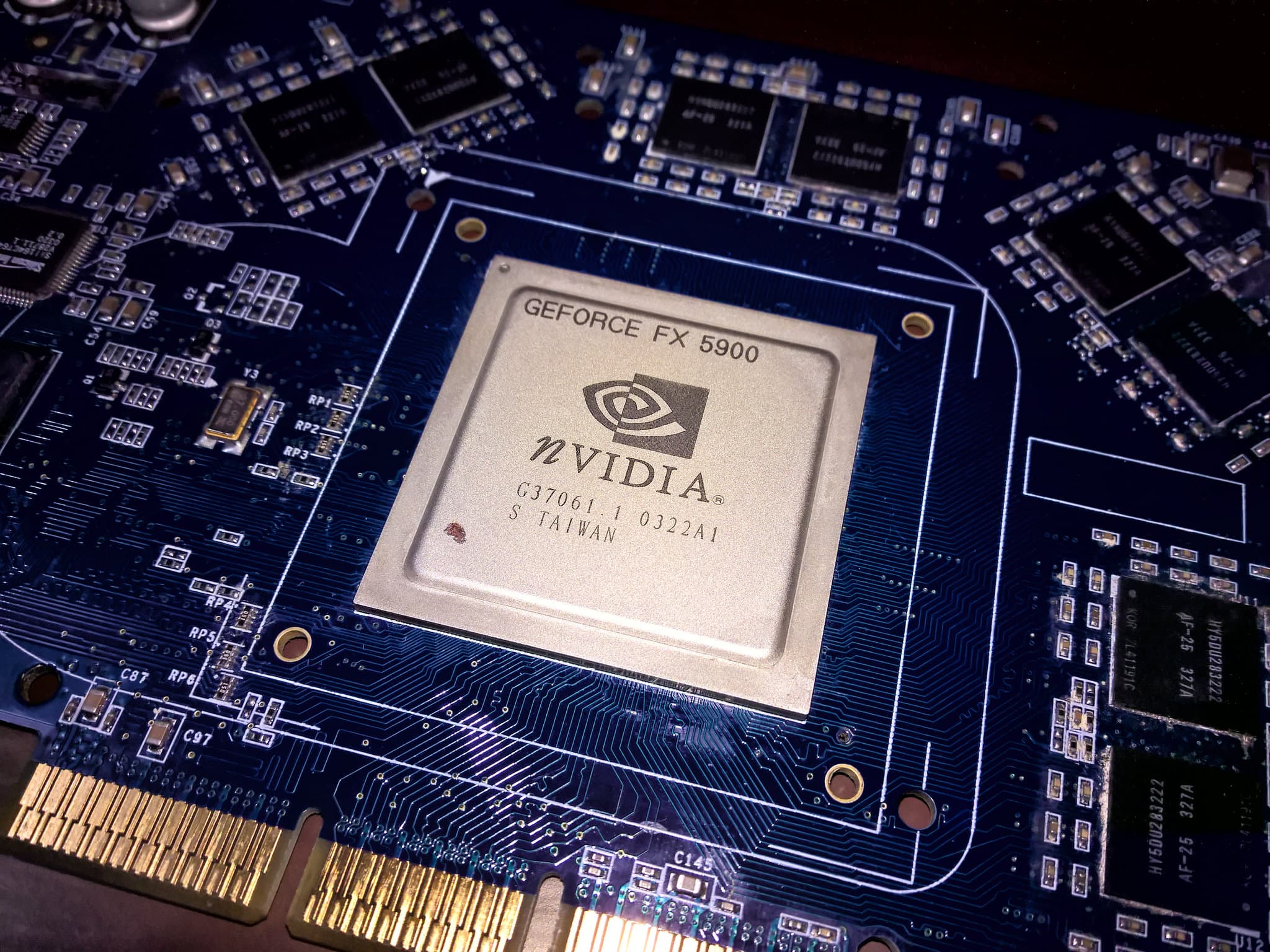
NEW YORK — Nvidia reported first-quarter revenue of $26 billion, exceeding Wall Street's $24.6 billion estimate by six percent. Data center revenue—the primary AI segment—reached $22.6 billion, a 427 percent increase year-over-year. Nvidia shares closed at $223.47, up 1.3 percent following the report.
CFO Colette Kress said sovereign AI orders now represent a "double-digit percentage" of data center bookings, a new demand category that barely existed a year ago. This emerging demand provides a clear runway for sustained revenue growth beyond traditional enterprise and cloud customers. Gross margins held at 78.4 percent, demonstrating pricing power despite high demand for Blackwell chips.
The strong performance from Nvidia sets a high valuation benchmark for private AI leaders considering public offerings. Companies like Databricks, a data and AI platform, and Anthropic, a leading AI model developer, are frequently cited as prime IPO candidates. Their successful listings would inject new, pure-play AI exposure into the public markets, currently dominated by chipmakers and hyperscalers.
Investor appetite for AI-centric companies remains strong, as reflected by the Nasdaq index rising 1.5 percent to 26,270. Analysts expect these new AI IPOs to command premium valuations, similar to those seen in the early phases of cloud computing adoption. This market environment favors companies with proven technology and clear growth trajectories in the AI sector.
Initial public offerings from prominent AI software and model developers will create distinct investment opportunities. Watch for details on their revenue growth, customer acquisition rates and paths to profitability, which will determine their long-term appeal. These debuts represent the next phase of AI market maturation, shifting focus from core infrastructure to specialized applications.
Databricks' unified data analytics platform is critical for enterprises deploying AI, while Anthropic's Claude 3 family of models competes directly with OpenAI. These firms offer direct exposure to the generative AI software layer, a segment many investors still find underrepresented in public markets. Their public filings will provide detailed data on enterprise AI adoption trends.