
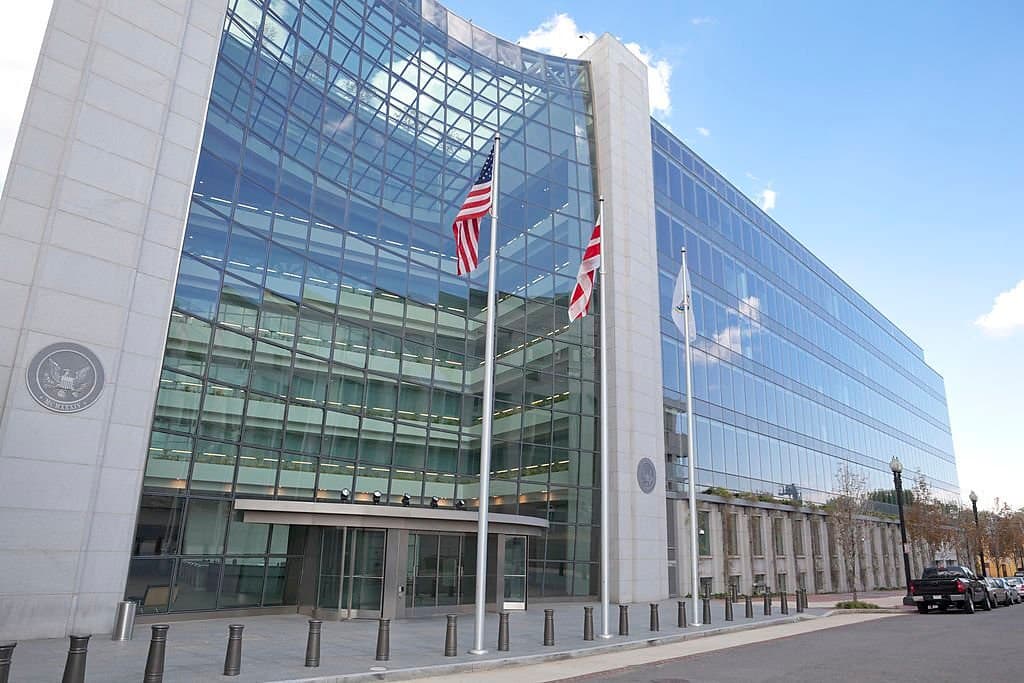
WASHINGTON — Rep. Nick Begich introduced the American Reserve Modernization Act (ARMA) this week, proposing the consolidation of all U.S. government-held digital assets into a protected national reserve. This legislative push aims to establish a unified framework for federal agencies currently managing diverse portfolios of seized cryptocurrencies.
Current practices see U.S. departments, including the Justice Department and the IRS, manage their seized digital assets independently. These holdings, often substantial amounts of Bitcoin and other major cryptocurrencies, are typically liquidated through auctions or direct sales. Past Silk Road Bitcoin seizures have resulted in multi-thousand BTC sales, impacting market liquidity on specific days. ARMA seeks to shift this from ad-hoc liquidation to a strategic, centralized management model.
On-chain data shows that government wallets, particularly those associated with the U.S. Marshals Service, still hold substantial amounts. These wallets often remain dormant for extended periods before large transfers to exchanges. A national reserve could alter this pattern, potentially reducing the unpredictable market sell pressure from government-initiated auctions. This centralization would provide clarity on the U.S. government's long-term intentions for these holdings.
This formalization of a national digital asset reserve signals deeper recognition of crypto as a strategic asset by the U.S. government. The move builds on the institutional acceptance seen with the January 2024 approval of Bitcoin spot ETFs and the May 2024 approval of Ethereum spot ETFs. Such legislative action further embeds digital assets into the national financial infrastructure, suggesting a more permanent role for cryptocurrencies in state-level asset management.
President Trump's administration has shown increasing interest in digital asset policy, making this legislation a notable development in the current political climate. While the ARMA bill does not specify the acquisition of new assets, it solidifies the U.S. position as an organized holder of digital assets. This institutionalization of government holdings could prove a long-term bullish factor for market sentiment, providing a precedent for other nations considering similar strategic reserves.