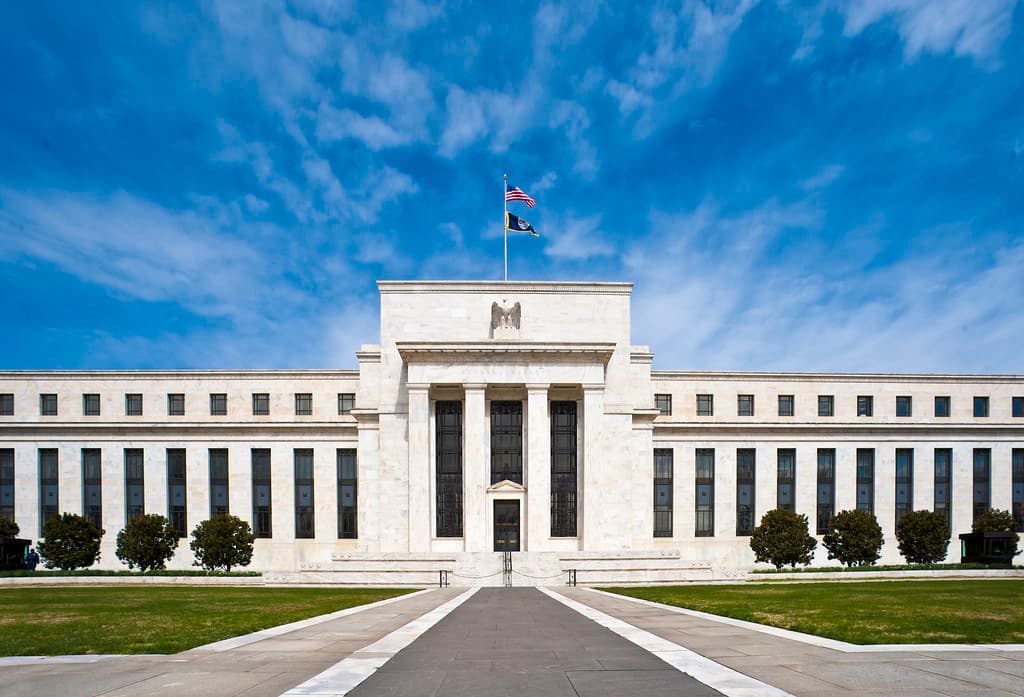
NEW YORK — former Federal Reserve Chair Jerome Powell's committee signals a prolonged holding pattern for interest rates, with neither cuts nor hikes on the immediate horizon. This sustained policy means the market must discount future earnings at a higher cost of capital than many growth models currently reflect. The 10-year Treasury yield remains elevated above 4.5 percent, impacting valuation calculations across the equity landscape.
Growth stocks, particularly in the technology sector, face the most direct headwinds. Companies like Nvidia, trading at $215.33, and Apple, at $308.82, have valuations heavily predicated on long-term earnings expansion. A continued high discount rate compresses the present value of these distant cash flows, making current price targets harder to justify. Microsoft, at $418.57, and Alphabet, at $382.97, face a similar environment where sustained high rates curb multiple expansion.
This "no change" monetary policy removes a catalyst for broad market rallies that typically follow rate-cut cycles. The S&P 500, at 7,473, and the Nasdaq, at 26,344, will find upward momentum challenging without fresh liquidity injections. Investors should expect greater emphasis on earnings growth and operational efficiency rather than multiple expansion. The Russell 2000, currently at 2,869, could see continued pressure as smaller companies often rely more on accessible, cheaper credit.
Financials stand to benefit from this extended period of stable, higher rates. Banks typically see wider net interest margins when the yield curve remains favorable, boosting profitability. JPMorgan Chase and Bank of America could outperform the broader market as their core lending businesses strengthen. Conversely, highly leveraged companies or those with aggressive capital expenditure plans will face elevated financing costs, straining balance sheets.
The investment thesis shifts from speculative growth to demonstrable profitability and strong balance sheets. Companies with strong free cash flow generation and a track record of efficient capital allocation will likely prove more resilient. Tesla, currently at $426.01, faces scrutiny on its profitability path in this environment, while Meta, at $610.26, must sustain its advertising revenue growth to maintain investor confidence. This market demands tangible results over future promises.