NEW YORK — President Trump postponed signing an executive order on artificial intelligence safety, following an adviser's warning that strict industry guardrails could slow U.S. AI model development. This decision removes an immediate regulatory overhang for major U.S. technology companies driving the nation's AI innovation.
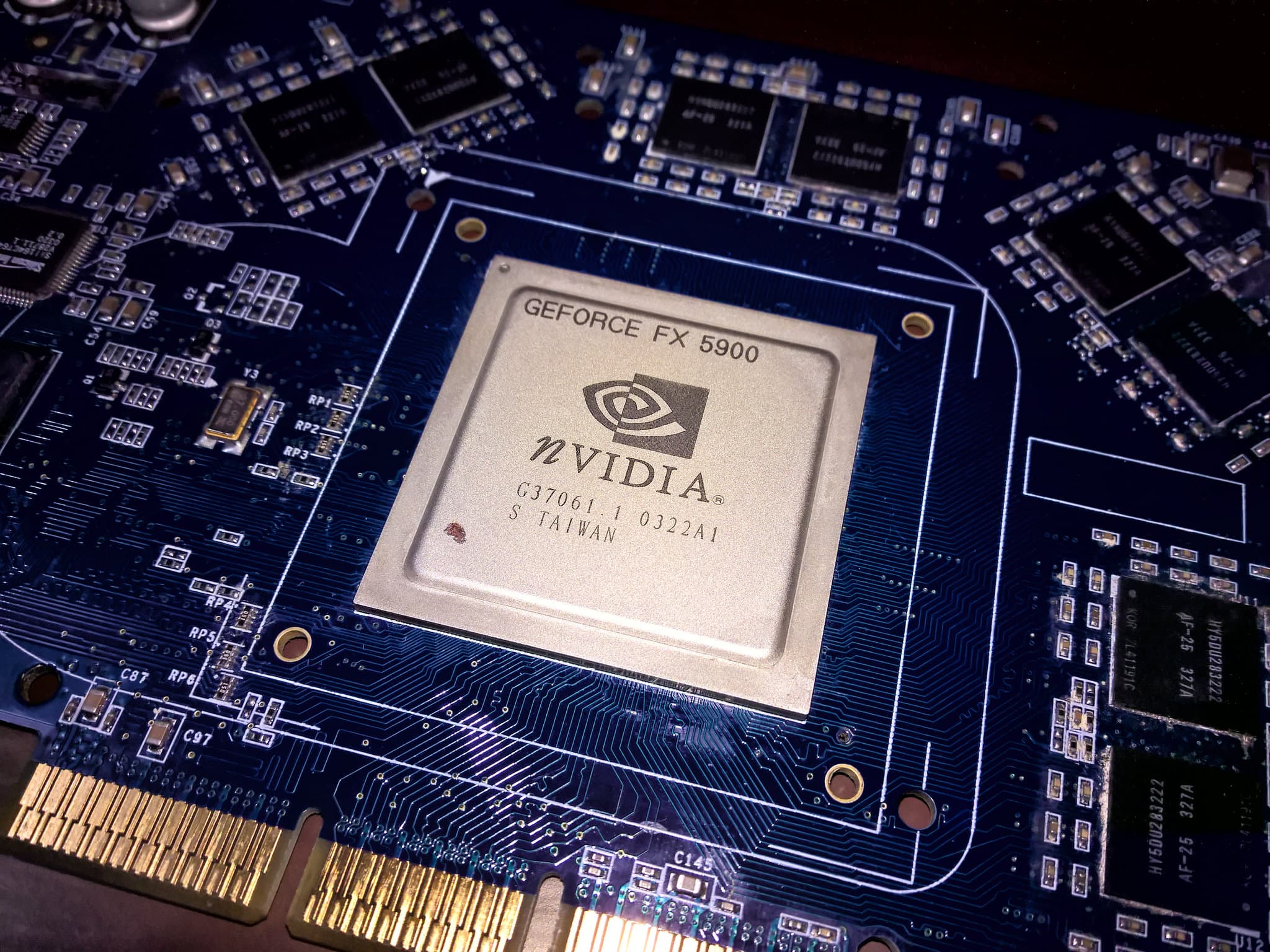
Companies like Nvidia, Microsoft and Alphabet, which lead in AI hardware and software, now face fewer immediate restrictions on their development timelines, accelerating product cycles and market penetration.
The White House prioritizes the U.S. lead in AI against China, a stance that implies a less restrictive operating environment for AI-focused firms. This shift could accelerate deployment timelines and reduce compliance costs, directly impacting bottom lines.
Nvidia, trading at $215.33 today, benefits from sustained demand for its AI accelerators, with analysts already factoring in high growth rates. Microsoft, at $418.57, continues to integrate AI across its cloud services and enterprise offerings, with this policy removing a drag on its AI monetization strategies.
This policy direction supports continued aggressive investment in AI infrastructure. Cloud service providers like Amazon, trading at $266.32, and Alphabet, at $382.97, will likely see sustained demand for their AI-compute offerings, and may increase their R&D budgets without the threat of impending regulation.
Meta, trading at $610.26, also pushes AI development for its platforms and metaverse ambitions, and this clarity allows for more focused long-term planning. The Nasdaq index, currently at 26,344, reflects this underlying investor confidence in the growth trajectory of these technology leaders.
While the administration has paused immediate regulatory action, the broader discussion on AI safety and ethics persists among lawmakers and the public. However, this delay provides a clear runway for U.S. firms to innovate and deploy new AI models without imminent federal intervention.
This removes a key uncertainty that some investors had priced into the AI growth narrative, leading to a re-evaluation of valuation multiples for pure-play AI companies.