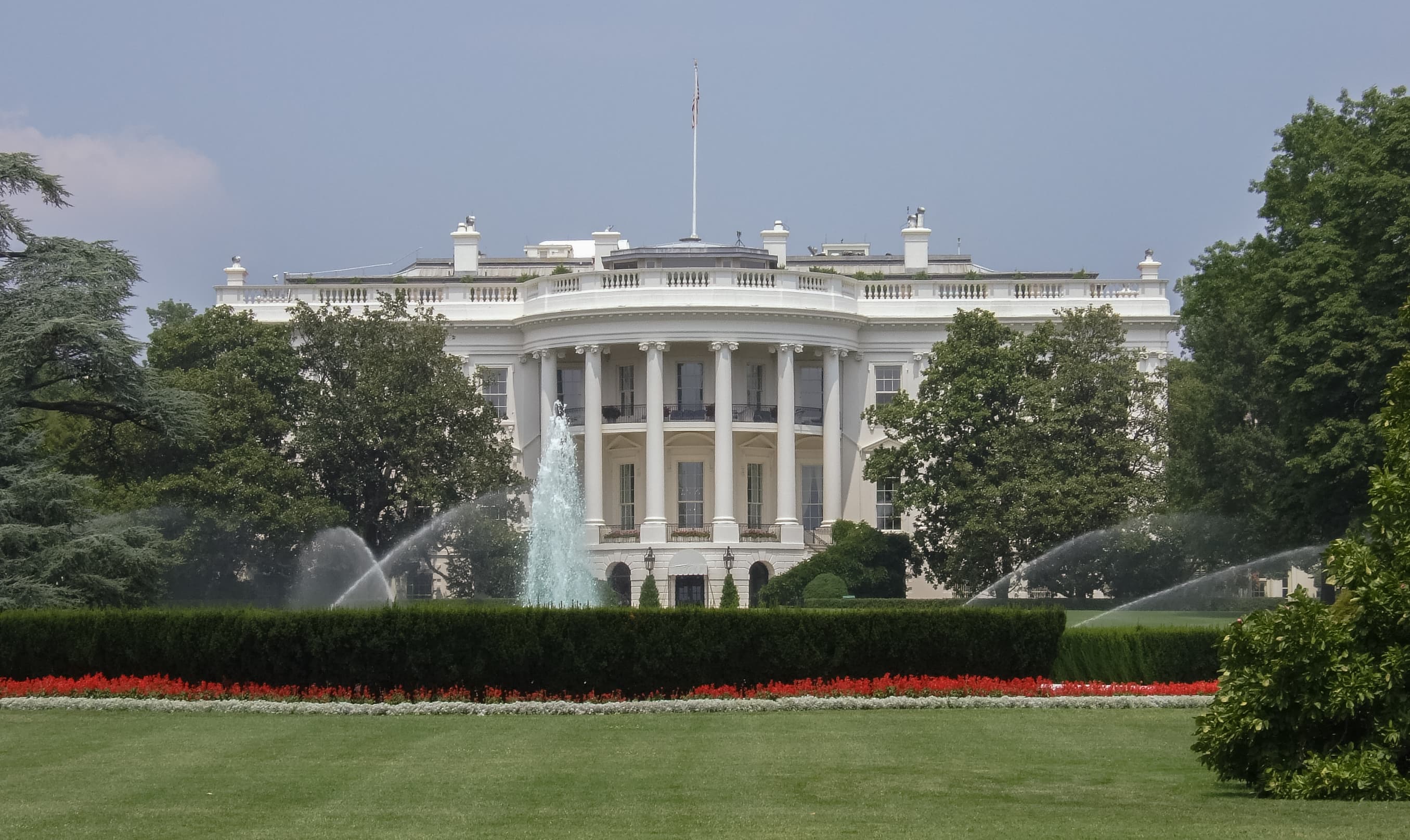
WASHINGTON — President Trump thanked Secret Service agents for their rapid response following a shooting incident near the White House complex today. The president immediately used the security breach to reignite his long-standing demand for a new, secure reception area, often termed the "White House ballroom." This move directly ties the need for an expensive new facility to an immediate security concern, shifting public perception.
The proposed White House expansion carries an estimated cost exceeding $200 million, a figure that has drawn sharp criticism. This project has faced consistent opposition from House and Senate appropriators, who control federal spending. Lawmakers on both sides of the aisle have questioned the necessity and the budget allocation required for what many view as a presidential amenity. The incident now puts pressure on these committees as budget negotiations approach later this year.
Securing funds for a project of this scale would involve a complex congressional appropriations battle, but also opens doors for major federal contractors. Large construction and engineering firms, including those with established government contracts, would aggressively compete for the lucrative design and build work. Firms like AECOM and Jacobs Engineering, known for their federal project portfolios, stand to gain significantly. Their political action committees frequently contribute millions to key congressional committee members, influencing infrastructure spending priorities.
Trump frames the ballroom as a critical national security upgrade, not a luxury item. This narrative shift aims to garner immediate public and legislative support for a project that also serves as a presidential legacy item. A dedicated, fortified space allows for tighter control over high-profile diplomatic functions and political events, reducing logistical complexities and perceived vulnerabilities during presidential appearances. It projects an image of strength and preparedness.
Previous White House improvement projects, even smaller in scope, have often become intense political footballs over cost and priority. The proposed ballroom represents one of the largest new construction projects on the executive residence in decades, potentially altering the physical footprint of the complex. Its approval would likely require a specific, potentially controversial, supplemental appropriation from Congress, bypassing standard budget processes to secure rapid funding.


