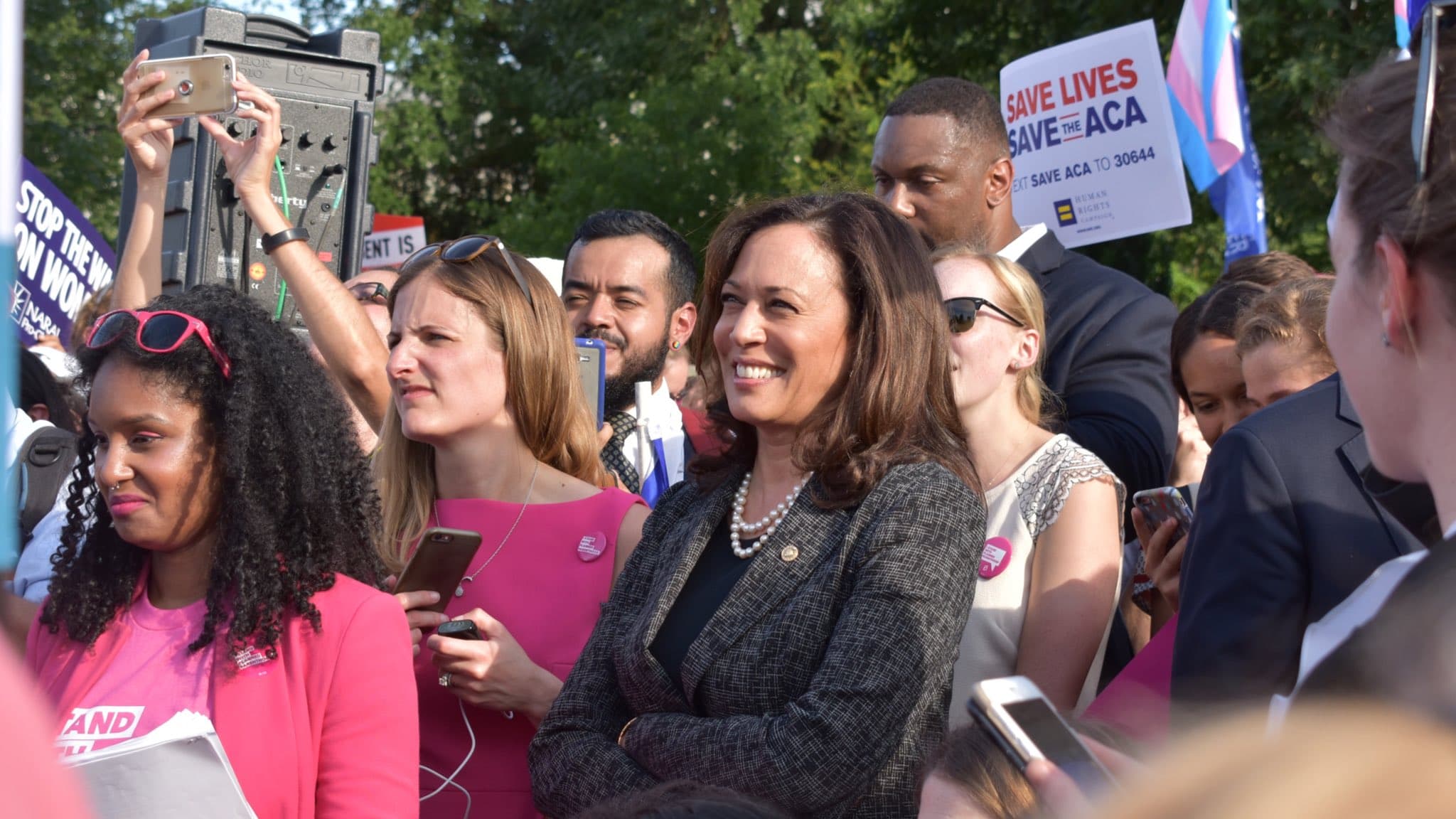
WASHINGTON — A former senior aide to President Biden said Vice President Kamala Harris's 2028 White House bid is not going to happen. The anonymous official, speaking off the record, has close ties to the Biden inner circle — and that proximity is precisely what makes the assessment damaging. When a loyalist turns skeptic, political operatives listen.
The comments strip Harris of her standing as a presumptive frontrunner and open the door for rivals already running shadow campaigns. California Gov. Gavin Newsom and Michigan Gov. Gretchen Whitmer have been making quiet outreach to party figures and major donors for months, and their teams will now press harder on early positioning.
Major Democratic donors — the kind who fund super PACs like Priorities USA Action — typically wait for a clear frontrunner before writing large checks. A public dismissal from a Biden loyalist gives them cover to hold back or route early money elsewhere. Building a competitive presidential campaign requires hundreds of millions of dollars, and donor hesitance at this stage can be lethal to a campaign before it formally launches.
Lobbyist-backed PACs in tech, finance and healthcare are watching closely. Those groups contributed over $200 million to federal campaigns in the 2024 cycle, and they allocate based on electability and access — not sentiment. A weakened Harris bid means those dollars diversify fast across a broader field. Tech PACs, in particular, have historically favored candidates seen as aligned with innovation agendas and lighter regulation.
Harris's political operation now faces an immediate damage-control challenge: counter the narrative of internal party doubt before it hardens into conventional wisdom. The broader problem for Democrats is structural — the party still lacks a clear successor heading into 2028, and this kind of public fracture makes coalescing around one harder. With President Trump's political operation already mobilizing for the next cycle, Democrats are burning time they do not have.


