Global defense spending is rising sharply, creating a direct tailwind for U.S. contractors. Nations worldwide are increasing military budgets, with the United States leading under President Trump's administration. The Department of Defense requested $886 billion for fiscal year 2026, a 5 percent increase from the prior year's enacted budget. That translates into a strong revenue outlook for Lockheed Martin and Raytheon.
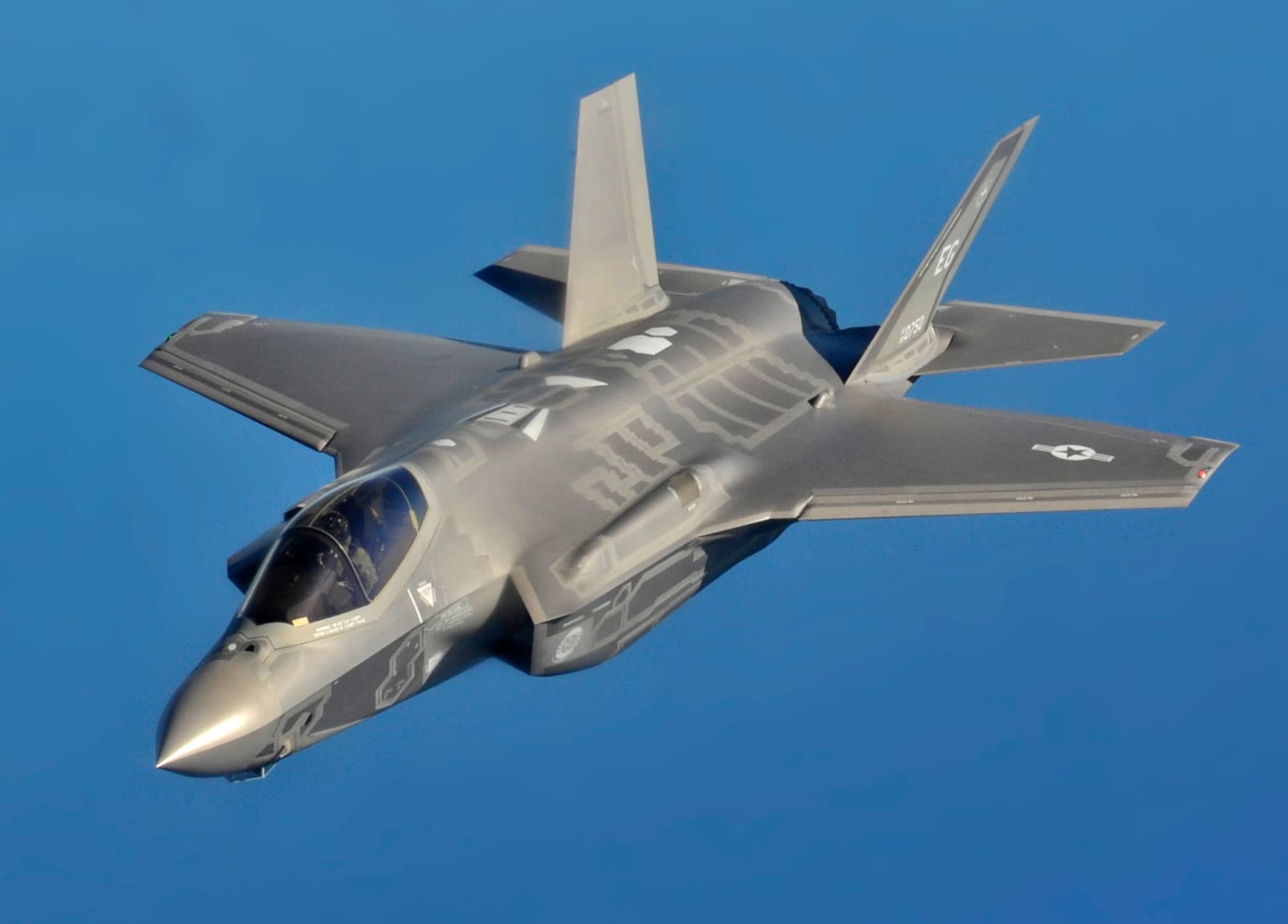
Lockheed Martin remains the dominant holding in this space, driven by its F-35 fighter jet program and missile defense systems that generate multi-year procurement contracts. Its Rotary and Mission Systems division is seeing increased demand for naval systems and training solutions. Raytheon secures large contracts across air defense, precision weapons and advanced sensors. The company's backlog exceeded $190 billion at its last earnings report, spanning multiple program lines.
Persistent conflict in Eastern Europe and rising tensions in the Indo-Pacific fuel demand for advanced weaponry and deterrence capabilities. European NATO members have committed to spending at least 2 percent of GDP on defense, a sharp increase from pre-2022 levels. This rearmament cycle drives both domestic procurement and international sales for U.S. manufacturers.
Budget allocations are prioritizing next-generation technologies, including hypersonics, artificial intelligence integration and cybersecurity. That focus ensures long-term contract opportunities for companies capable of delivering these systems. Northrop Grumman is a key beneficiary, with its stealth bomber and space systems programs positioned to capture a growing share of that spending.
The defense sector trades at a discount to the broader market despite consistent government-backed revenue streams. Analysts are raising price targets for top-tier defense stocks, citing durable demand, long contract cycles and strong free cash flow generation. At current valuations, Lockheed Martin and Raytheon represent core holdings for investors seeking exposure to this long-term spending cycle.