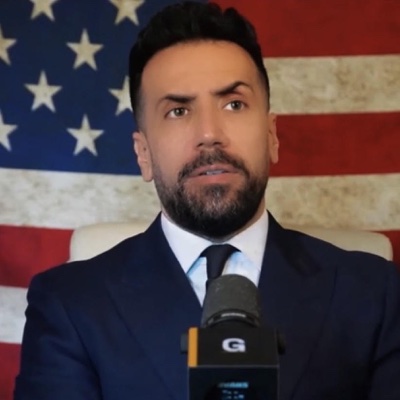

Robinhood CEO Vlad Tenev's X account was compromised, with an unauthorized post promoting an unknown token to his 1.2 million followers. The malicious content appeared briefly before removal but drew significant attention across crypto social media. Robinhood confirmed the breach was contained to Tenev's personal account and did not affect the company's trading platform or user accounts.
The hack hit during a period of sustained retail interest in speculative digital assets. On-chain data shows a daily average of 1,500 new tokens launching across various blockchains this month, many lacking audited smart contracts or substantial liquidity. The Crypto Fear & Greed Index sits at 28—deep fear territory—yet that broad sentiment has not dampened activity in the memecoin sector, where social media virality dictates short-term price movements.
Robinhood is a major gateway for retail investors into crypto markets. The platform has expanded its digital asset offerings over the past two years, attracting millions of users seeking exposure to a wide range of tokens. Tenev's association with a prominent financial brand gives fraudulent schemes a veneer of legitimacy they have not earned. A compromised account at this level can redirect significant retail capital fast.
This breach fits a well-worn pattern. Sophisticated phishing attempts and social engineering tactics frequently target individuals with large online followings. X is under pressure to enforce stronger account security protocols, including mandatory multi-factor authentication for high-value accounts. Public figures operating at the intersection of traditional finance and crypto are persistent targets.
Verifying the legitimacy of any token promotion is non-negotiable, regardless of the source's apparent authority. Fraudulent schemes exploit compromised accounts precisely because market excitement lowers skepticism. Conduct thorough due diligence and lock down personal digital security—this incident is a direct reminder of why both matter.