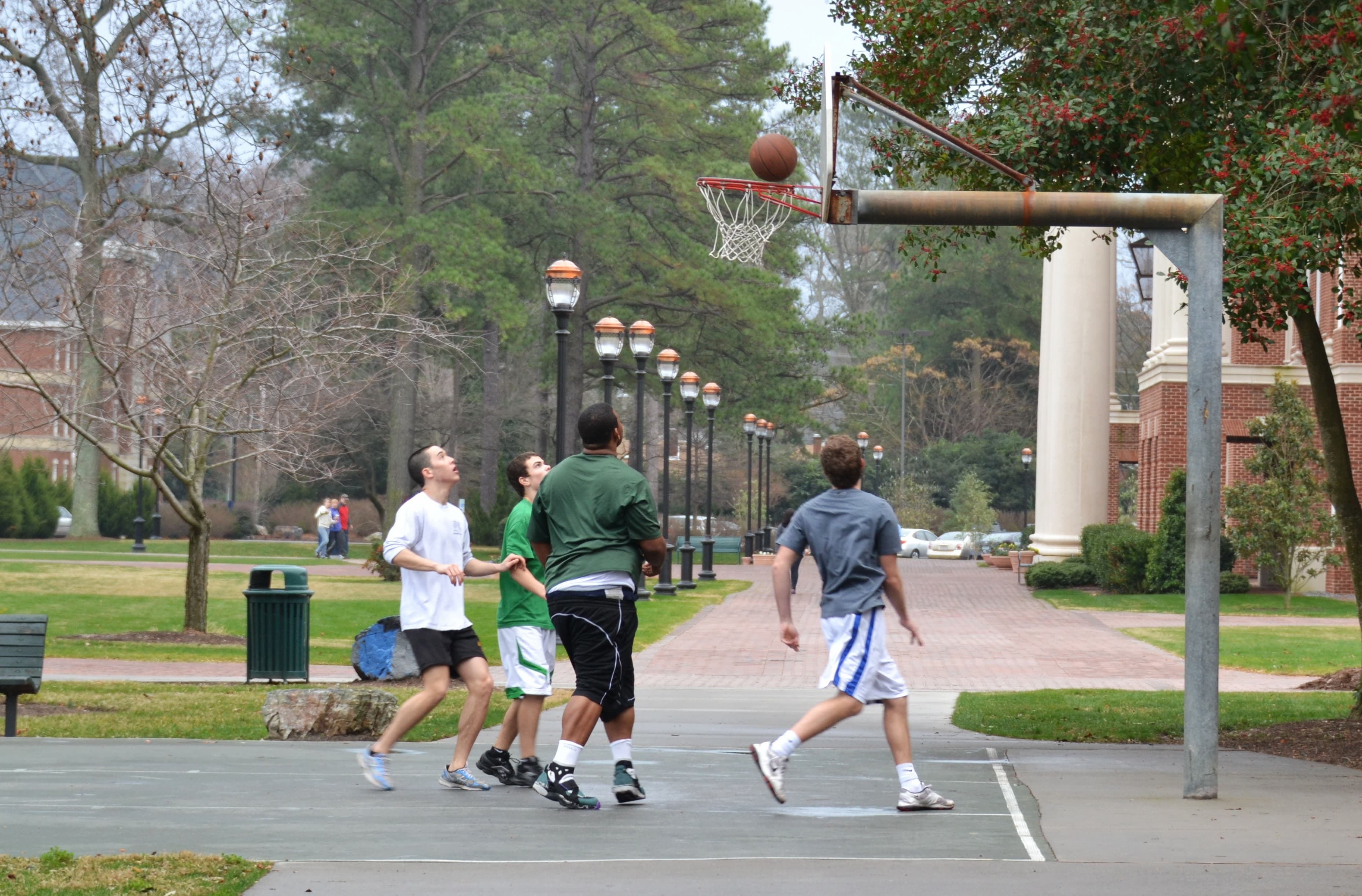
Michael Olise, Crystal Palace's dynamic winger, surprised New Yorkers this week by joining a casual pickup basketball game on a city blacktop. The sight of a Premier League star dribbling and shooting among amateurs circulated quickly online, sparking debate among fans and raising eyebrows across the football world. Olise appeared relaxed and engaged in the impromptu contest, seemingly reveling in the freedom of unorganized play.
That freedom comes with a price tag attached — and it's a big one. Transfermarkt values Olise at over $60 million. Olise signed a four-year contract extension with Crystal Palace in August 2023, reportedly worth around $100,000 per week, locking him in until June 2027. That's over $10 million in salary alone for the remaining two seasons. One bad landing on a New York blacktop — an ACL tear, a twisted ankle — and Palace is stuck paying a star player who can't play. Recovery from an ACL tear alone runs six to 12 months, and that's if everything goes right.
Clubs carry insurance on high-value players to offset some salary risk, but no policy covers the hit to team performance or future transfer value. Olise's market price doesn't stay at $60 million if he's rehabbing for a year.
From Olise's side, this reads as genuine love for sports and a need to stay active during the break. That's understandable — elite athletes don't just switch off. Many cross-train during the off-season, but typically inside a controlled environment with club medical staff watching. Playing on a public court in New York is a different calculation entirely. It also gives fans a rare, authentic look at the person behind the price tag, and that kind of connection is genuinely valuable. But the optics of fan goodwill don't offset a torn ligament.
Crystal Palace's management and Olise's agent almost certainly view this differently. Standard Premier League contracts include clauses restricting participation in high-risk activities outside official club duties. A casual basketball game may not sit alongside skydiving or motorcycle riding in the fine print, but it lands in a grey area the club's legal and medical teams would rather avoid entirely. The club's medical staff would want Olise on a structured, supervised off-season program built around his specific physical condition — not running cuts on asphalt with strangers.
This incident puts a real question on the table: how much personal freedom does a $60 million asset actually have? Clubs pay enormous fees to acquire and retain talent, and the expectation — written into contracts or not — is that players protect their bodies as a professional obligation. Olise's decision looks innocent, and it probably is. But innocent decisions can end careers, and in the global transfer market, career-ending injuries don't just hurt players — they crater balance sheets.
The take here is straightforward: great optics, real risk. Olise shows the passion that makes elite athletes worth watching. But Crystal Palace is carrying $10 million-plus in remaining salary and a $60 million asset playing pickup on an unsupervised blacktop. One wrong step changes everything — for Olise, for Palace, and for whatever club was eyeing him in the next transfer window.


