SAN FRANCISCO — OpenAI's introduction of agentic capabilities for its GPT models allows for autonomous code generation and execution, changing the economics of software development. The move targets enterprise clients seeking to reduce development cycles and human capital costs. The technology automates complex programming tasks—from feature implementation to bug fixes—with minimal human oversight, potentially cutting project timelines by weeks.
Agentic coding enables AI to break down high-level requests into actionable sub-tasks, write and test code, and self-correct errors through iterative feedback loops. This moves beyond simple code generation, positioning OpenAI to capture a larger share of the estimated $1.2 trillion global software development market. Competitors including Google's Gemini and Anthropic's Claude are also developing sophisticated agentic features, intensifying the race for enterprise AI adoption and platform lock-in.
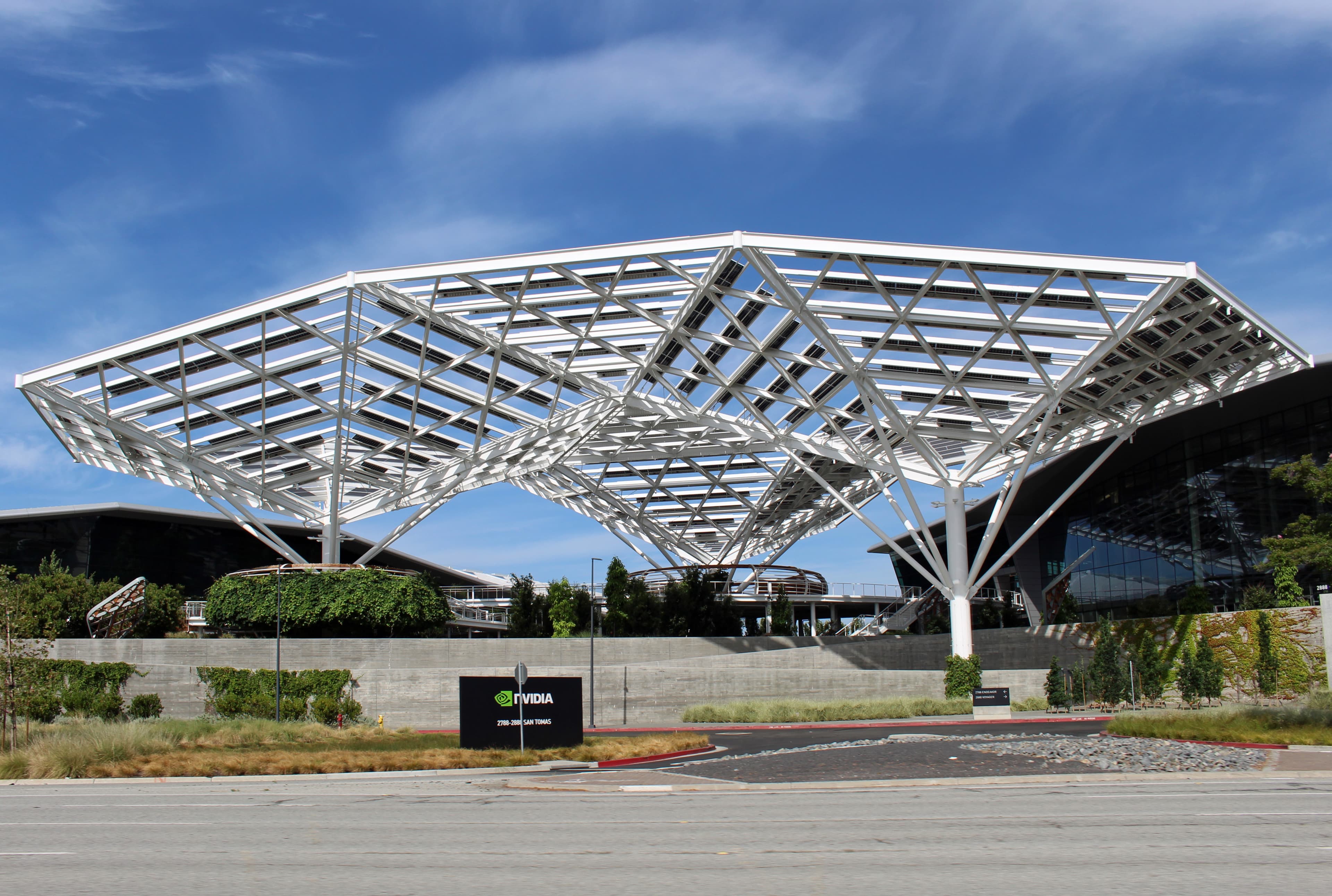
Enterprises now face a critical capital allocation decision: invest heavily in AI compute infrastructure or maintain large, traditional software engineering teams. Running advanced agentic models requires substantial GPU capacity and cloud resources, directly benefiting providers like Microsoft Azure, which hosts OpenAI's services, and Nvidia, whose chips power these operations. Microsoft's revenue from Azure AI services rose 28 percent in its last reported quarter, reaching $11.4 billion, driven by demand for high-performance compute and advanced AI models. This creates a new revenue stream tied to AI consumption rather than human labor.
The shift promises operational efficiencies across the software lifecycle. A typical large enterprise might allocate 60 percent of its IT budget to maintaining existing software and only 40 percent to new development. Agentic coding can automate routine maintenance tasks, system updates and refactoring, freeing senior developer time for strategic work or reducing overall headcount. This changes the unit economics of software delivery, potentially lowering the cost per line of deployable code by 20 percent to 40 percent, according to internal pilot programs.
For SaaS companies, the ability to rapidly iterate and deploy new features using agentic tools can accelerate product roadmaps and reduce time-to-market for critical updates. This could translate into faster revenue growth and higher valuations, rewarding agility in SaaS multiples. It also raises questions about future demand for junior and mid-level software developers, a segment that has seen wage growth slow by three percent over the past year. Talent allocation will shift toward AI-prompt engineering and oversight roles.
Early adopters are already experimenting with agentic workflows for internal tooling, rapid prototyping and specialized backend services. A major financial institution, speaking anonymously due to competitive concerns, reported a 30 percent reduction in time-to-market for a new internal analytics dashboard using agentic development. The next phase involves integrating these agents directly into continuous integration and continuous delivery pipelines, pushing toward fully autonomous software delivery.
The long-term impact extends to the competitive landscape of cloud providers. As agentic coding scales, demand for specialized AI infrastructure—particularly high-end GPUs and optimized network fabrics—will intensify. Amazon Web Services and Google Cloud are working to match Azure's deep integration with OpenAI, vying for the projected $200 billion AI infrastructure market by 2030. The ability to offer seamless, cost-effective agentic development environments will become a key differentiator for cloud providers.