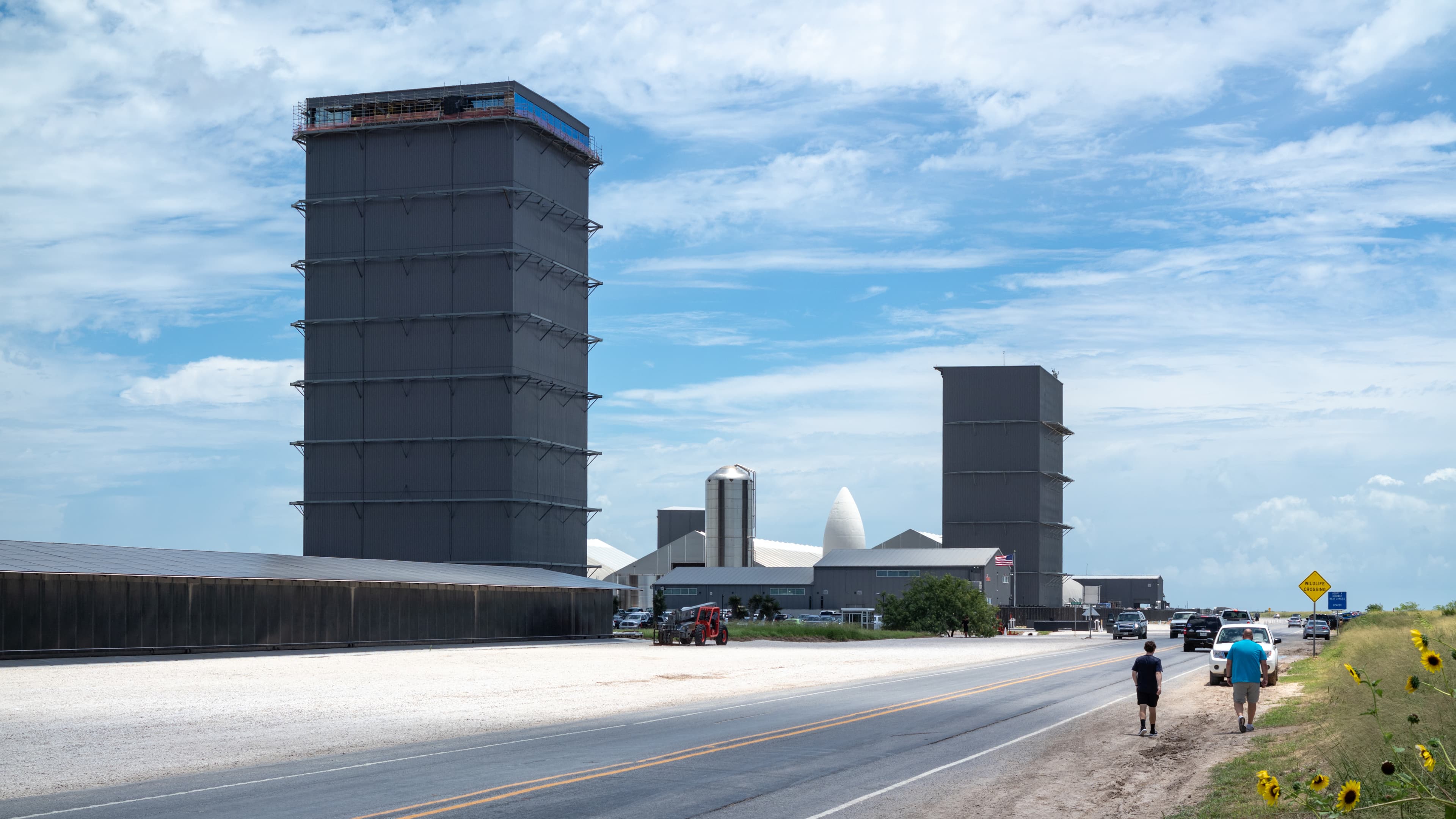
SpaceX faces a critical moment with its next Starship orbital flight test. The company's $180 billion valuation hinges on a successful mission, following investor concerns over the program's prolonged development. A clear demonstration of Starship's capabilities is essential to reassure shareholders and potential investors.
Previous Starship test flights achieved partial success, but none completed all mission objectives. Each attempt yields valuable data, yet delays have pushed back the timeline for Starship's operational deployment. That extended development phase pressures SpaceX's financial outlook, particularly for its lunar and Mars initiatives.
Starship is central to SpaceX's long-term revenue strategy, beyond its established Falcon 9 and Starlink operations. The super heavy-lift vehicle aims to reduce launch costs dramatically, enabling large-scale satellite constellation deployments, deep-space missions and point-to-point Earth transport. Those future revenue streams depend directly on Starship's demonstrated reliability.
A successful orbital test would validate SpaceX's rapid iterative development approach and attract further private capital. Another significant setback could intensify investor scrutiny over the program's costs and timelines. Analysts are watching closely for milestones that prove Starship's commercial viability.
The vehicle's success also matters for NASA's Artemis program, which relies on Starship for its Human Landing System. Delays or continued technical issues could affect NASA's lunar return schedule, potentially leading to contractual revisions. That interdependence adds pressure to the upcoming flight.
A fully successful mission would open the door to more frequent test flights, accelerating the path to commercial operations. That would not only secure existing contracts but also position SpaceX to capture new opportunities in government and private space endeavors.