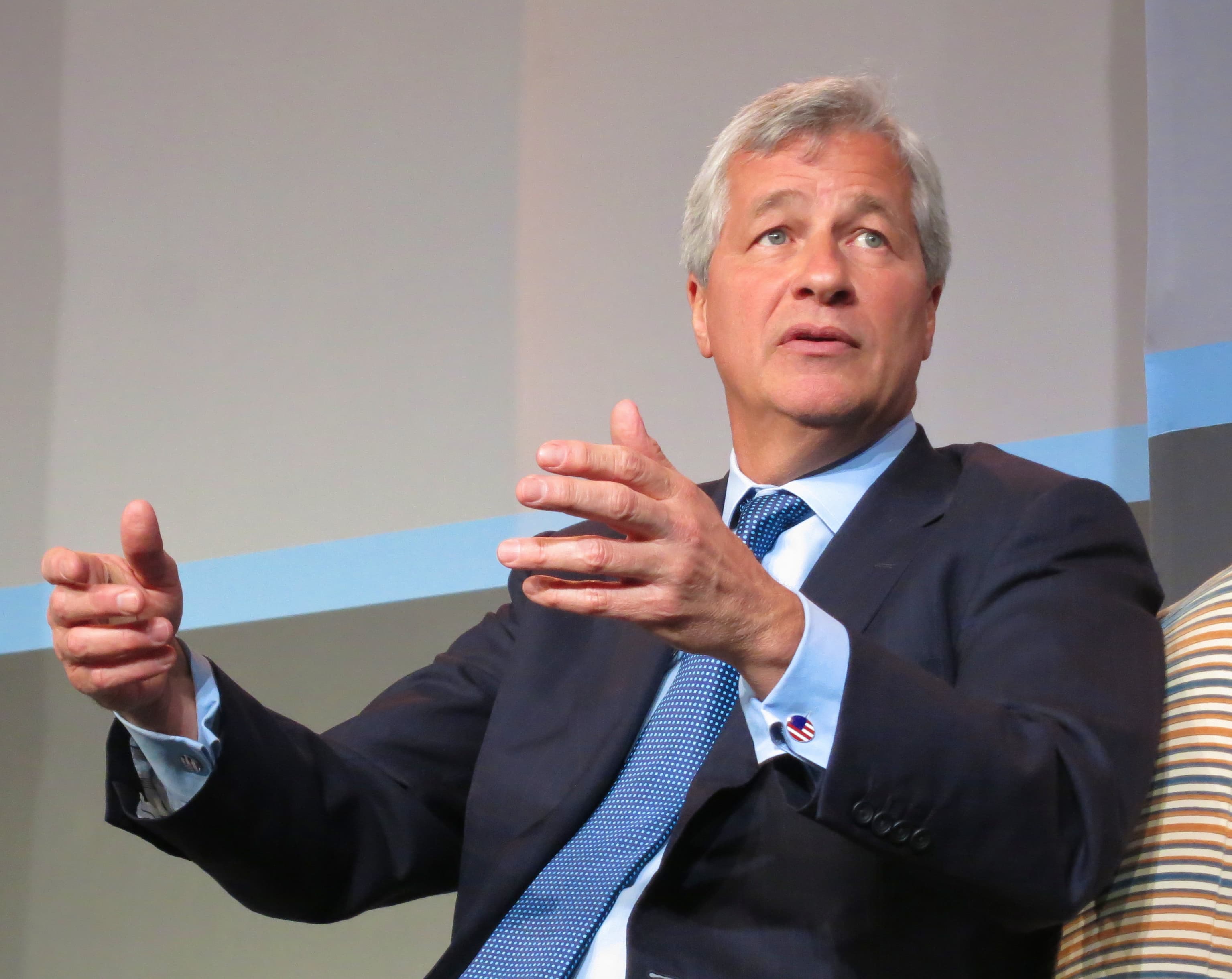
WASHINGTON — Jes Staley, the former head of JPMorgan Chase's private bank, delivered explosive testimony to the House Oversight Committee Wednesday, asserting under oath that he directly informed CEO Jamie Dimon about Jeffrey Epstein's criminal behavior. Staley's account directly contradicts prior assertions from the bank, which maintained that knowledge of Epstein's sex trafficking activities was not widespread among its top executives. The testimony raises the political and legal stakes for JPMorgan and its long-serving chief executive, placing Dimon under rare pressure.
Epstein was a JPMorgan client from 1998 until 2013, a period during which his illicit activities became increasingly evident. The committee's questioning, led by Chairman James Comer, R-Ky. centered on how much JPMorgan executives knew about Epstein's criminal enterprise while he remained a lucrative client. Staley's direct accusation shifts focus from the bank's general culpability to the specific awareness of its most senior executive, challenging the narrative JPMorgan has sought to maintain.
JPMorgan paid $290 million in 2023 to settle a class-action lawsuit brought by Epstein's victims, acknowledging failures in its internal controls. The U.S. Virgin Islands also sued the bank, alleging it facilitated Epstein's crimes by ignoring red flags and profiting from his illicit wealth. Staley's testimony gives new ammunition to ongoing legal challenges and could prompt further scrutiny from the Department of Justice and regulatory action from agencies including the SEC. Paul Atkins, who was sworn in as SEC chairman in April 2025, now faces pressure to open a thorough investigation into the bank's compliance protocols and executive oversight.
The House Oversight Committee has aggressively pursued corporate accountability in high-profile cases, using its platform to pressure Wall Street executives. This hearing is designed to influence future legislative efforts aimed at tightening financial institution oversight, particularly around know-your-customer and anti-money-laundering regulations. The implications extend beyond JPMorgan, potentially setting a precedent for how financial institutions are held accountable for the conduct of high-net-worth clients.
JPMorgan's influence in Washington is substantial — lobbying records show the bank spent $5.4 million on federal lobbying in 2023, much of it targeting financial services regulation. But Staley's direct accusation creates a legal and public relations challenge that lobbying dollars cannot easily fix. The testimony implicates a figure as prominent as Dimon, whose tenure at one of the world's largest banks has been largely free of direct scandal until now.
The hearing sets the stage for potential future congressional action, including the possibility of a subpoena compelling Dimon to testify under oath — a moment that would force one of American finance's most powerful figures to address allegations of complicity before Congress. The fallout from Staley's testimony is set to play out in legal and political arenas for months to come.


