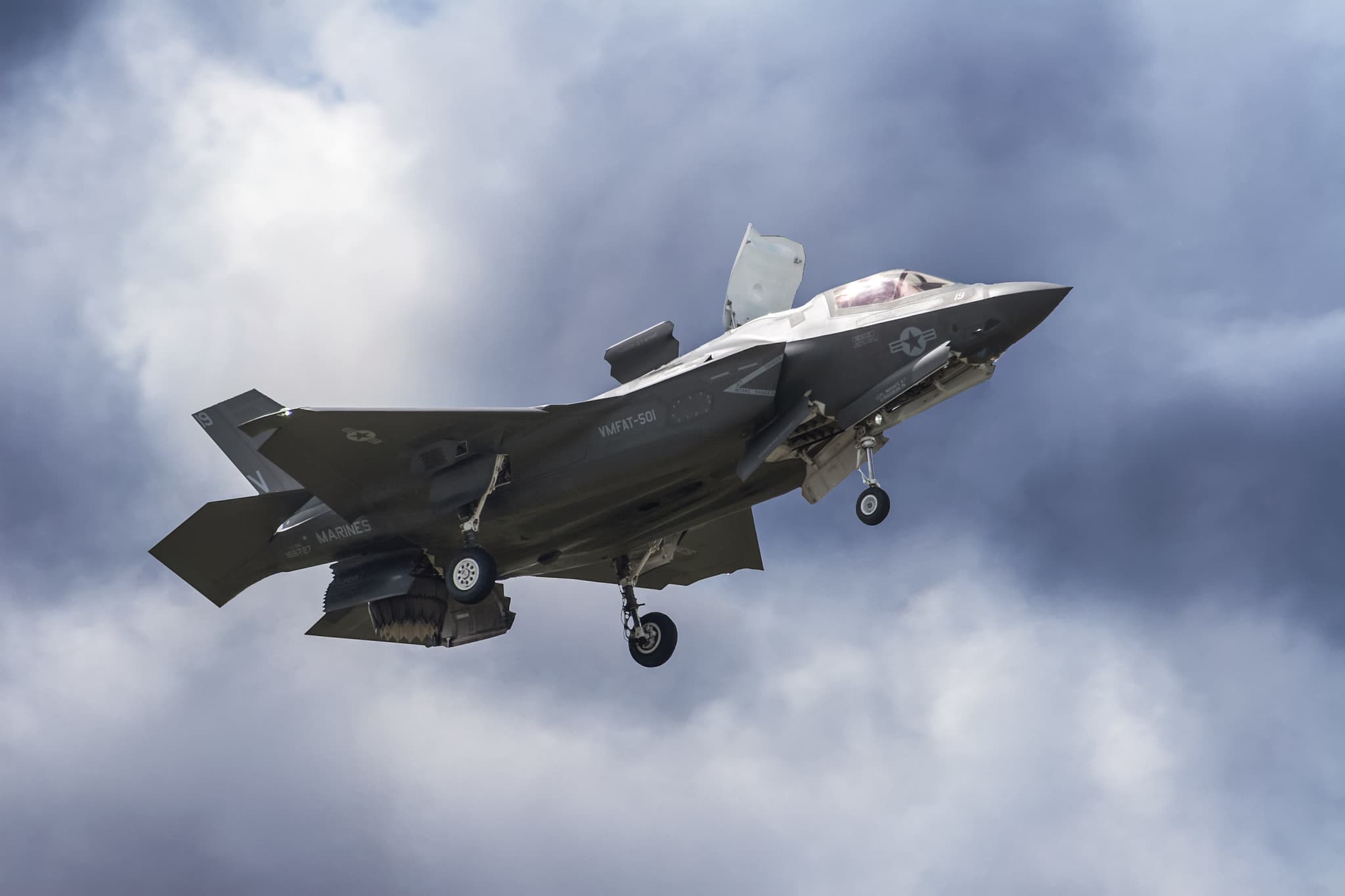
FARNBOROUGH, England — Defense contractors inked deals projected to top $40 billion at this year's Farnborough Airshow, a substantial increase from last year's event. Lockheed Martin, Raytheon Technologies and Northrop Grumman announced contracts for advanced weaponry and surveillance systems, locking in revenue streams funded by U.S. and allied government budgets — and ultimately, taxpayers.
Lockheed Martin secured a multi-year contract to deliver 75 F-35 fighter jets to a coalition of European nations, valued at approximately $9.5 billion. Raytheon announced a $3.2 billion agreement with the United Kingdom for missile defense systems. Both deals come as geopolitical tensions remain elevated in Eastern Europe and the South China Sea.
The primary winners are the contractors and their shareholders. These agreements translate directly into guaranteed revenue for years, insulating the companies from broader economic downturns and delivering steady dividends to investors.
That kind of guaranteed return does not come cheap in Washington. Lockheed Martin spent $18.7 million on lobbying in 2025, while Raytheon Technologies spent $15.3 million, according to OpenSecrets data. That spending buys consistent access to lawmakers who set defense budgets and approve foreign military sales.
Nations are expanding military budgets, citing the ongoing conflict in Ukraine and rising instability in the Middle East — a demand cycle that keeps production lines full and order books growing.


