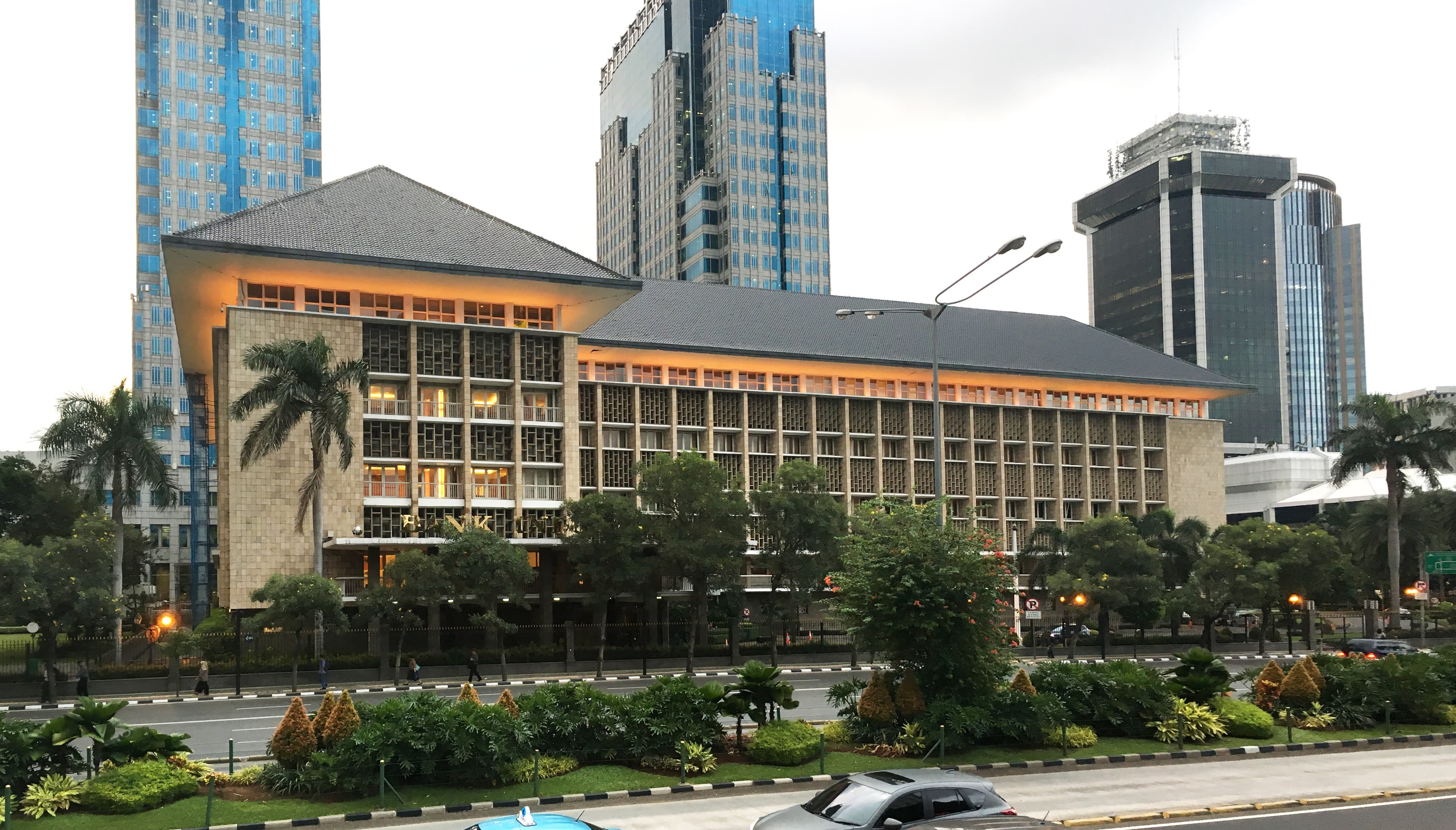
Bank Indonesia Governor Perry Warjiyo will resign, effective Sept. 1, triggering immediate concern across Indonesian financial markets. The rupiah depreciated 0.8 percent against the U.S. dollar in early trading, reaching 16,520 per dollar. Government bond yields rose across the curve, with the benchmark 10-year yield climbing 7 basis points to 6.95 percent.
Warjiyo, a veteran central banker, has led Bank Indonesia since 2018, focusing on currency stability and inflation management through interest rate policy and macroprudential measures. He guided the economy through the COVID-19 pandemic and subsequent global rate-hiking cycles with a reputation for steady leadership.
The departure raises questions about the central bank's future policy direction. Analysts point to a potential shift in stance on inflation targeting or currency intervention under new leadership. Bank Indonesia has maintained a hawkish posture to protect the rupiah and contain imported inflation.
Concerns about central bank independence also emerged. A new governor appointed by the government could face pressure to align monetary policy more closely with fiscal objectives, potentially compromising the bank's autonomy. That perception alone can deter foreign capital inflows into Indonesian assets.
The Indonesian government bond market is showing heightened duration risk. Longer-dated bonds experienced larger yield increases, reflecting investor demand for higher compensation against future policy uncertainty. The yield curve steepened as a result.
Foreign investors hold approximately 30 percent of Indonesian government bonds. Any perceived weakening of central bank independence or a less disciplined inflation fight could trigger portfolio outflows, putting further pressure on the rupiah and increasing government borrowing costs.
Warjiyo's departure follows a period of stable, tight monetary policy. Bank Indonesia has held its benchmark rate at 6.25 percent since April, after a series of hikes totaling 275 basis points since August 2022. That aggressive tightening aimed to anchor inflation expectations and stabilize the currency.
Indonesia's gross domestic product grew 5.1 percent year-over-year in the first quarter, driven by domestic consumption. Core inflation, however, remains above the bank's 2.5 percent to 4.5 percent target range, posing a persistent challenge for policymakers.
The selection of Warjiyo's successor will be critical. The Indonesian parliament and president will play key roles in the nomination and approval process. Market participants will scrutinize potential candidates for their experience, policy leanings and commitment to central bank independence.
Past leadership transitions at Bank Indonesia have produced short-term market volatility when the incoming governor's policy stance was unclear. A 2013 change in leadership saw the rupiah weaken 2 percent in the month following the announcement before stabilizing as policy continuity became evident.
A swift and credible appointment can limit prolonged market uncertainty. A delayed or controversial selection would likely extend volatility in both the rupiah and Indonesian bond markets.

