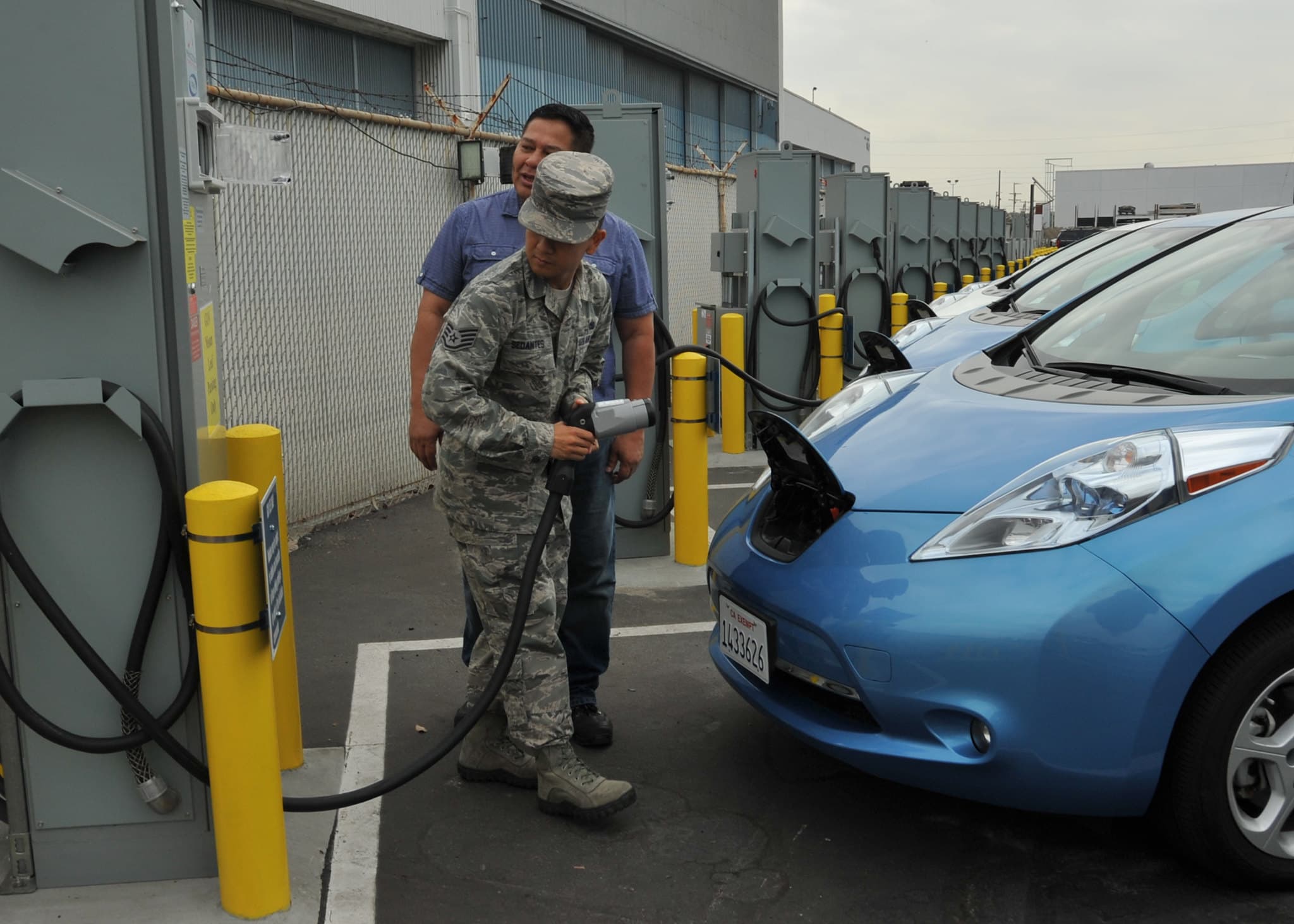
Electric vehicles are moving beyond transportation, becoming mobile power sources capable of supplying electricity to homes and the grid. Models like the Ford F-150 Lightning offer up to 9.6 kilowatts of home backup power—enough to run a typical U.S. residence for several days during an outage. That capability represents a shift in the utility of a parked asset.
The economics for consumers are straightforward. Owners can reduce electricity bills by storing power during off-peak hours and discharging it when rates are higher or during grid emergencies. A household with a compatible EV and charging system could save several hundred dollars annually by optimizing energy use and participating in utility demand response programs.
This shift arrives as U.S. electricity demand grows, driven by new data centers, industrial electrification and climate control needs. The Energy Information Administration projects a 2.5 percent increase in U.S. electricity consumption this year, with similar growth expected over the next decade. Integrating EVs as grid assets helps manage peak loads and reduces strain on aging infrastructure.
Automakers recognize the value proposition. Ford, Hyundai and Kia are actively building bi-directional charging into new EV platforms, creating a competitive differentiator. Ford's partnership with Sunrun for its Home Integration System is a direct play for this market, monetizing the vehicle's battery beyond driving. Tesla, while not yet fully embracing vehicle-to-grid technology, has the underlying battery and inverter technology.
For utilities, widespread adoption of vehicle-to-grid and vehicle-to-home technologies presents both an opportunity and a challenge. It requires upgrades to grid infrastructure and new regulatory frameworks to manage energy flow from millions of distributed sources. Pilot programs in California and Texas are testing the viability and economic models for integrating these mobile batteries into the broader energy ecosystem.