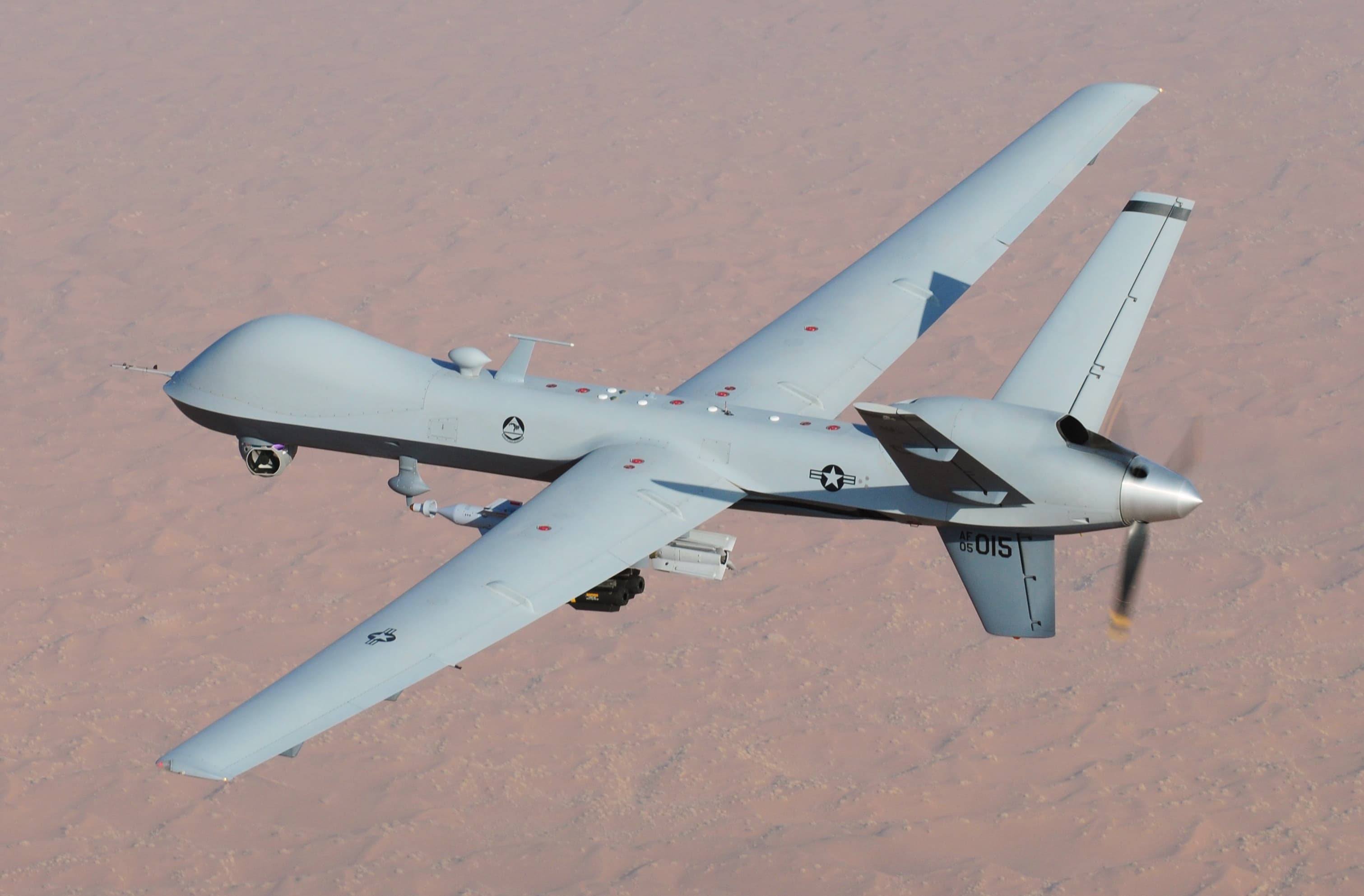
Romania shot down a third Russian drone over its territory, intensifying concerns about regional stability near the ongoing conflict. President Klaus Iohannis called the repeated airspace breaches intolerable, escalating pressure on NATO's eastern flank and forcing a reassessment of defense spending trajectories and fiscal outlooks across the eurozone.
The persistent threat of conflict spillover is pushing a geopolitical risk premium into European sovereign debt markets. Such events typically widen credit spreads for nations in proximity to active combat zones, as investors demand higher compensation for duration risk. That spread compression story—which had been building on expectations of ECB easing—is now under threat.
Ongoing geopolitical tension feeds inflation expectations through commodity price volatility and supply chain disruptions. If energy or food prices rise on regional instability, the ECB faces renewed pressure to hold restrictive policy longer, steepening the yield curve and pushing back any credible rate-cut window. Eurozone inflation remains above the 2 percent target, leaving the central bank with little room to look past a sustained geopolitical shock.
Equity markets reflected mixed risk sentiment. The Nasdaq fell 0.6 percent to 24,976 and the Russell 2000 dropped 0.3 percent to 2,930, signaling caution in growth-oriented sectors. The Dow Jones gained 0.5 percent to 51,947 and the S&P 500 was flat at 7,412. The divergence points to sector-specific factors beyond the immediate geopolitical headline.
Analysts will closely watch the eurozone's Harmonized Index of Consumer Prices report due Aug. 2 for guidance on the ECB's direction and its impact on sovereign yields across the bloc.