New labor market data shows a widening divergence between wage growth and productivity gains, intensifying inflationary pressures and pushing the two-year Treasury yield up six basis points to 4.98 percent. Traders now price a 78 percent chance the Federal Reserve holds its policy rate at the Sept. 18 meeting.
Average hourly earnings climbed 4.2 percent year-over-year in June, while nonfarm business productivity grew just 1.1 percent. That 3.1 percentage point gap is the widest since Q4 2023, signaling sustained pressure on corporate margins or consumer prices. The 10-year Treasury yield rose four basis points to 4.57 percent.
Businesses facing unit labor costs that output gains cannot offset must either absorb lower margins or pass higher expenses to consumers—a mechanism that feeds core inflation. Duration risk has moved to the center of fixed-income portfolio management as higher-for-longer rates become the base case.
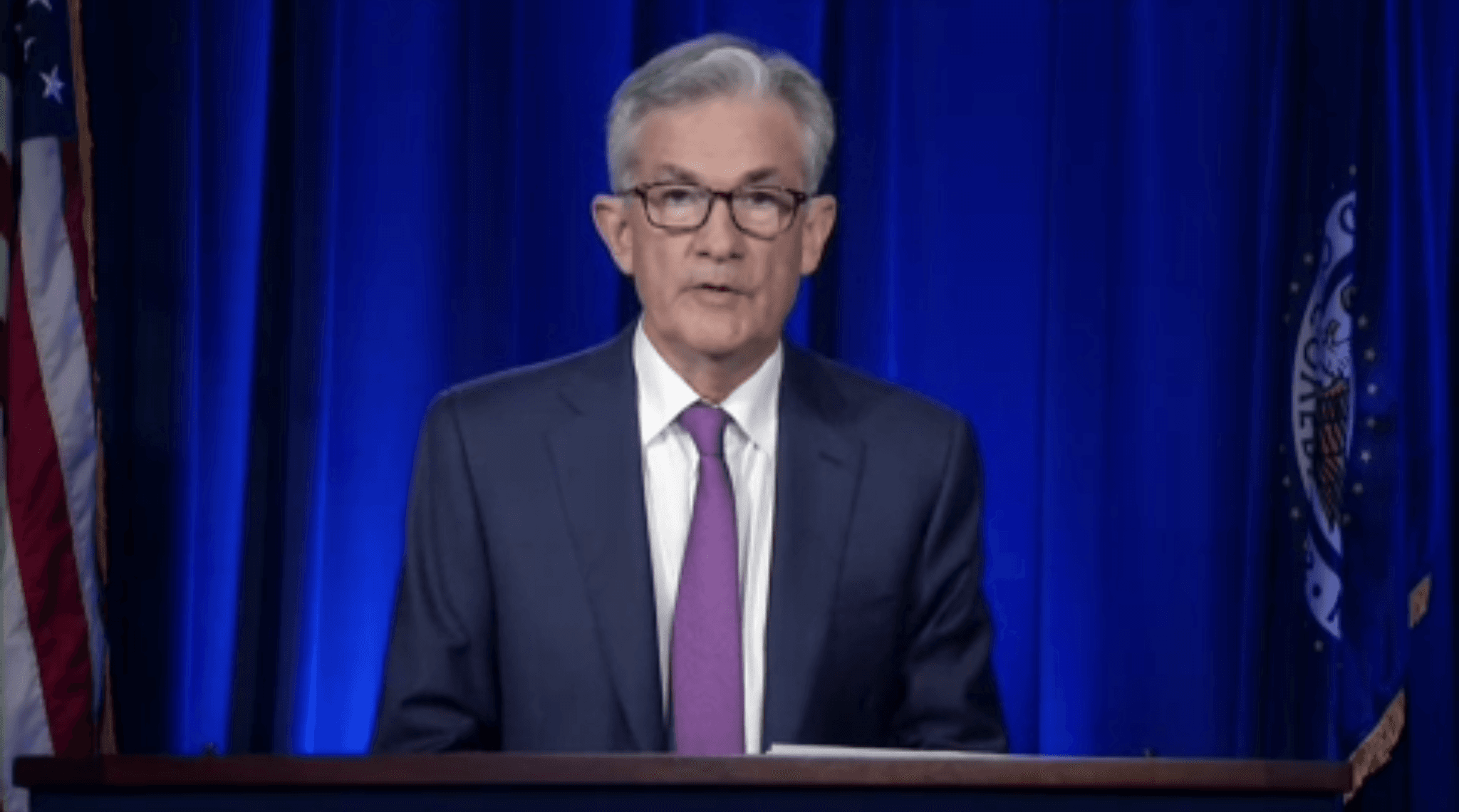
Federal Reserve Chair Kevin Warsh has repeatedly said productivity growth must temper wage inflation without triggering job losses. His comments last week highlighted a tight labor market, with the unemployment rate holding at 3.9 percent. That tight labor supply continues to support wage demands even as economic growth decelerates.
Bond investors are recalibrating their long-term inflation outlook. The five-year, five-year forward inflation expectation rate climbed to 2.48 percent, its highest level in three months, signaling that market participants expect price pressures to remain elevated well above the Fed's 2 percent target.
The two-year/10-year spread steepened modestly to -41 basis points from -43 basis points. The short end remains more sensitive to immediate monetary policy expectations, while the long end grapples with both inflation and slower potential growth. Spread compression in corporate bonds has paused as credit markets assess the impact of sustained higher input costs on earnings.