Oil markets could tilt into oversupply before year-end, Macquarie analysts said, driven by mounting political pressure on Washington to de-escalate the Iran conflict ahead of midterm elections.
With fewer than 100 days until the midterms, the administration faces a compressed timeline for a resolution that could return Iranian crude to global circulation and increase supply.
From the bond market's perspective, sustained lower oil prices would ease inflationary pressure and support longer-duration positions. Lower energy costs reduce the inflation premium embedded in long-end yields—a direct tailwind for duration.
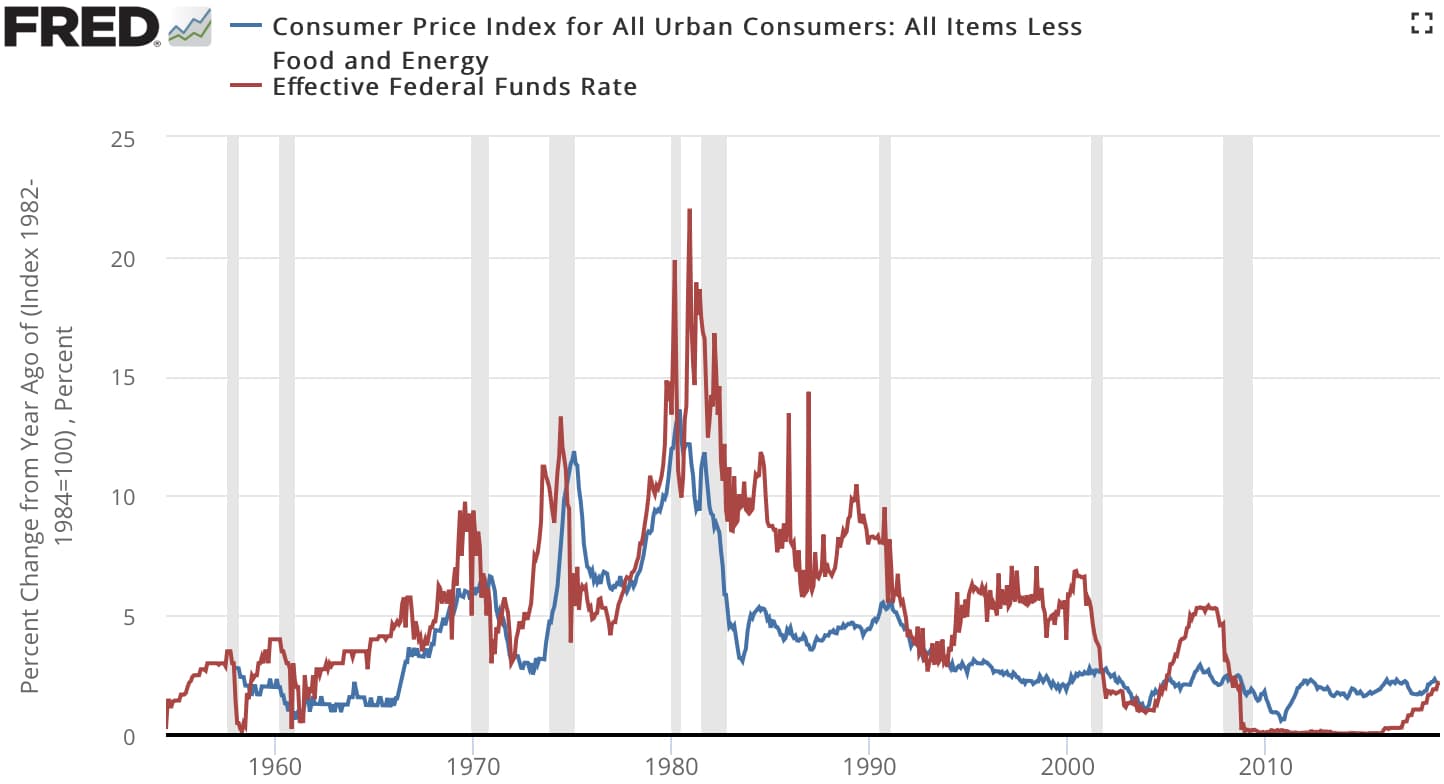
Federal Reserve Chair Kevin Warsh has consistently emphasized the commitment to returning inflation to the 2 percent target. A supply-driven disinflationary impulse from oil would reinforce that trajectory and could prompt a recalibration of rate-cut expectations, particularly at the long end of the yield curve.
Markets currently price a cautious path for cuts, reflecting sticky core inflation. A new disinflationary force would pressure that consensus.
Energy sector bonds face the opposite dynamic. Lower oil prices compress producer revenues and weaken credit profiles, widening spreads for high-yield energy issuers even as investment-grade duration rallies.
Iranian crude has been largely absent from global markets for years under sanctions. Any diplomatic resolution lifts that supply constraint and alters the demand-supply balance materially.
The outcome remains subject to negotiation. A delay or failed resolution keeps the constraint in place and maintains upward pressure on crude—and by extension, on inflation expectations the Fed is working to suppress.
The S&P 500 traded flat at 7,413 today, with the Nasdaq down 0.2 percent at 24,931, reflecting sensitivity to shifts in inflation drivers and central bank policy.