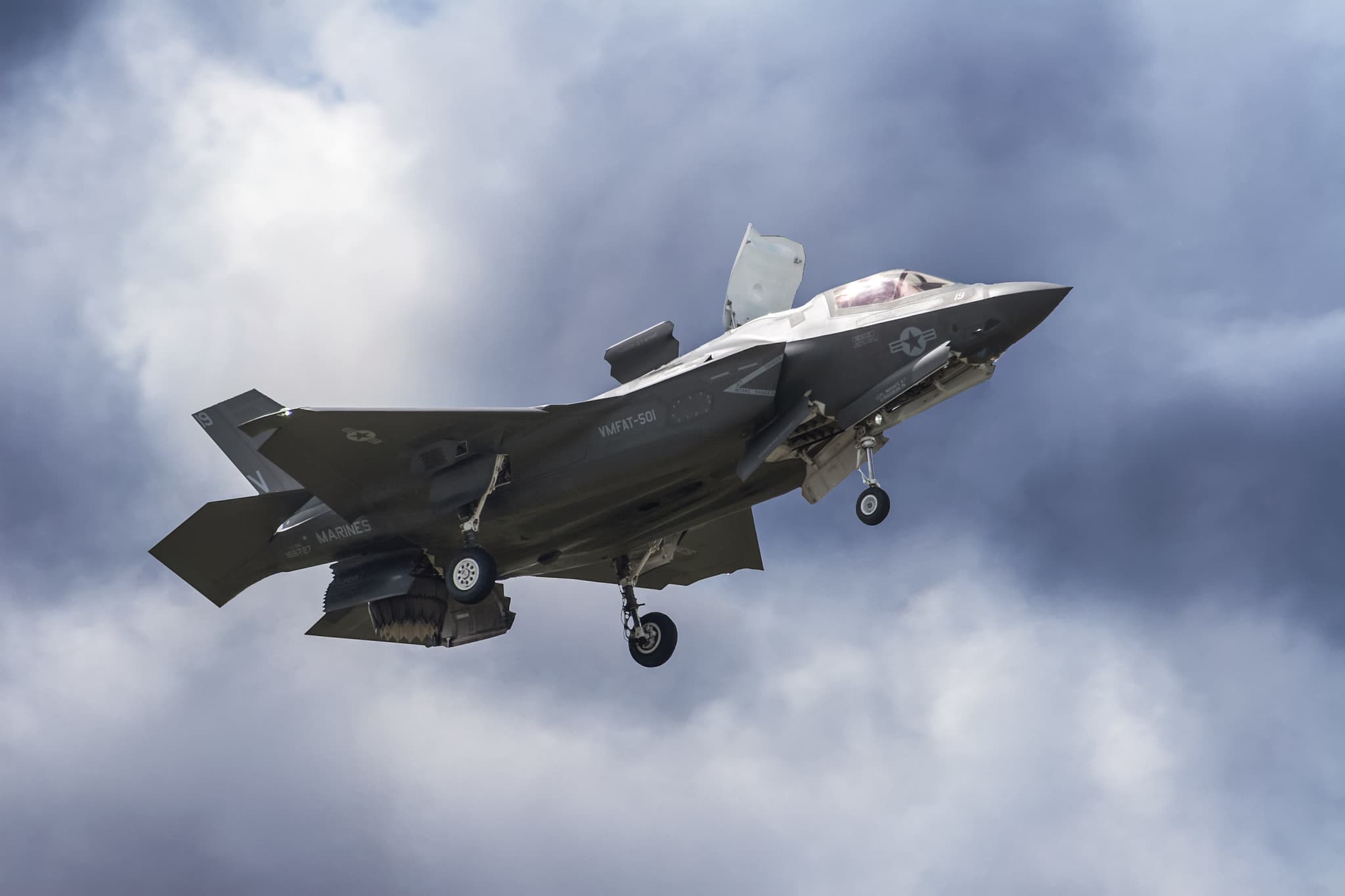
President Donald Trump's unequivocal declaration that the U.S. will return Iran "back to the stone ages" if a deal isn't struck within weeks has sent a jolt through international markets, immediately repricing geopolitical risk across asset classes. This is not mere diplomatic posturing; it's a direct threat of overwhelming economic and potentially military force, designed to reshape Tehran's calculus. The statement, delivered via social media as is often the President's preferred method, signals a dramatic escalation in the ongoing standoff, forcing global capital to reassess exposure to the Middle East and energy markets. Investors are now bracing for a renewed "maximum pressure" campaign, one that promises to be even more stringent than previous iterations. This aggressive posture aims to choke off Iran's financial lifelines, targeting its oil exports, banking sector, and access to international trade.
The immediate market reaction reflected a nuanced but palpable apprehension, particularly in the digital asset space where risk sensitivity is heightened. Bitcoin, often touted as a hedge against geopolitical instability, registered a 2.3% drop over 24 hours to $66,576, while Ethereum followed suit, declining 2.2% to $2,056. This downside movement, occurring against a backdrop of the Crypto Fear & Greed Index plummeting to an "Extreme Fear" reading of 12, underscores investors' deep uncertainty regarding the global outlook. Curiously, major U.S. equity indices showed resilience today, with the Dow Jones up 0.5% to $46,566 and the Nasdaq gaining 1.2% to $21,841, suggesting either a delayed reaction, a sector-specific rotation, or a perception that the domestic economy remains insulated from initial shocks. However, the underlying fear in broader risk-on assets like crypto indicates a strong undercurrent of concern about potential ripple effects.
This presidential ultimatum situates itself firmly within the existing framework of U.S. foreign policy power, primarily leveraging executive authority rather than immediate legislative action. Historically, U.S. presidents wield immense power to impose sanctions through executive orders, bypassing the often-slower congressional process. The current legal landscape permits the Treasury Department's Office of Foreign Assets Control (OFAC) to target individuals, entities, and entire sectors of foreign economies deemed threats to national security. While Congress can legislate new sanctions or modify existing ones, President Trump's statement implies a readiness to act unilaterally and swiftly, using tools already at his disposal. This approach signals a return to, and intensification of, the unilateral pressure tactics that defined his previous administration's engagement with Iran, bypassing multilateral negotiations in favor of direct confrontation.
The beneficiaries of such an aggressive stance are clear: defense contractors and elements within the energy sector. Companies like Lockheed Martin and Raytheon Technologies stand to gain from increased defense spending and heightened regional tensions that necessitate advanced weaponry. Furthermore, U.S. domestic oil and gas producers could see an advantage if global supply chains are disrupted and oil prices rise, although this is a double-edged sword for the broader economy. Powerful lobbying groups, including those advocating for a hardline stance against Iran, such as the Foundation for Defense of Democracies (FDD) and parts of the pro-Israel lobby, have long pushed for precisely this kind of maximal pressure. On the opposing side are international financial institutions, global trading firms, and European allies who prioritize stability and multilateral diplomacy, fearing the economic fallout of escalating conflict.
The industry impact of such a severe threat is multifaceted, reverberating across global finance and trade. Major international banks, including JPMorgan Chase and Citigroup, will face an immediate surge in compliance costs as they reassess their exposure to any entities with even tangential links to Iran, lest they face crippling secondary sanctions from OFAC. The global shipping and logistics sector, exemplified by giants like Maersk, will contend with heightened insurance premiums and rerouting challenges for critical trade lanes in the Persian Gulf. Within the crypto ecosystem, stablecoin issuers like Tether and Circle will face intensified scrutiny to ensure their platforms are not inadvertently facilitating transactions that violate U.S. sanctions, potentially increasing their compliance overheads. The threat also positions permissionless digital assets like Bitcoin as a potential alternative for those seeking to circumvent traditional financial rails, although this comes with its own set of risks and regulatory challenges for exchanges.
From a legal perspective, President Trump's threat leverages established precedent for economic warfare, particularly the comprehensive sanctions regime that has been in place against Iran for decades, albeit with varying intensity. The enforcement implications are profound: OFAC will likely broaden its targeting of Iranian financial institutions, shipping companies, and even foreign entities that knowingly engage in transactions with sanctioned Iranian parties. This will force global financial institutions to significantly ramp up their Know Your Customer (KYC) and Anti-Money Laundering (AML) protocols, alongside sophisticated sanctions screening technologies, to avoid massive fines and reputational damage. The compliance costs for banks, fintech companies, and crypto exchanges operating internationally will surge, as they navigate an increasingly complex and punitive regulatory environment designed to enforce U.S. foreign policy objectives.
Looking ahead, the immediate future will likely involve a flurry of executive orders aimed at tightening the economic noose around Iran, potentially targeting new sectors or expanding the scope of secondary sanctions. Congress, particularly committees like the Senate Foreign Relations and House Financial Services, will be closely watching, and could introduce legislation to either support or temper the President's actions, depending on the political winds. International allies, especially those in Europe and Asia heavily reliant on Middle Eastern energy, will face immense pressure from Washington to align with the U.S. position, creating diplomatic friction. The global energy markets will remain particularly volatile, with the price of crude oil directly sensitive to any perceived escalation. This aggressive stance also sets the stage for potential retaliatory actions from Iran, further destabilizing a critical geopolitical region.
The bottom line for Gokhshtein Media readers is clear: President Trump's "stone ages" threat is a significant and deliberate escalation, not a rhetorical flourish. It signals a decisive shift toward maximum economic and diplomatic pressure, with profound implications for global capital flows, commodity prices, and the operational costs of any business engaged in international trade. Who wins? Defense contractors, domestic energy producers, and those who profit from heightened geopolitical risk. Who loses? International banks facing increased compliance burdens, companies with exposure to volatile supply chains, and potentially the broader global economy if tensions spill over into open conflict. This move underscores the continued weaponization of the dollar and the global financial system, making the case for truly decentralized, permissionless assets even more compelling as a hedge against sovereign risk.