A retired Army general's bold prediction of a swift conclusion to a potential Iran conflict, wrapped up in "less than 60 days," sent immediate ripples through global financial markets today, recalibrating risk assessments for energy prices and defense sector valuations. While no official policy shift has been announced by President Trump's administration, such hawkish rhetoric from a credible military voice injects a new layer of geopolitical uncertainty, prompting investors to reassess exposure to volatile regions and defense-related assets. The statement, circulated widely from a source like The Hill, underscores the pervasive influence of military strategists on market sentiment, even when their pronouncements remain outside formal governmental channels, signaling a potential shift in the risk premium associated with Middle East stability.
Market reactions were a mixed bag, reflecting underlying investor apprehension despite a generally upward trend in broader indices. The Crypto Fear & Greed Index registered a stark 12, indicating "Extreme Fear" across digital asset markets, a common response to heightened geopolitical tensions. Yet, Bitcoin (BTC) saw a marginal gain, trading at $67,342, up 0.1% over 24 hours, while Ethereum (ETH) also edged up to $2,062, a 0.3% increase, suggesting some investors might be positioning for perceived safe-haven assets amidst traditional market uncertainty. Meanwhile, the S&P 500 closed slightly up at $6,583 (+0.1%), and the Nasdaq gained 0.2% to $21,879, but individual tech giants like Tesla (-5.4% to $360.59) and Meta (-0.8% to $574.46) saw declines, indicating a potential flight from high-growth, high-beta stocks in favor of more stable or defense-oriented plays.
This speculative military timeline immediately thrusts the perennial legislative debates over defense spending and supplemental appropriations back into the spotlight. A projected conflict, even a short one, necessitates significant resource allocation, triggering intense lobbying efforts on Capitol Hill. The current legislative calendar is already packed with discussions surrounding the next National Defense Authorization Act (NDAA) and potential stop-gap funding measures, making any pronouncement of kinetic action a direct input into these high-stakes negotiations. The President's budget requests for the upcoming fiscal year will undoubtedly be scrutinized through the lens of this escalating geopolitical risk, with Congress facing immense pressure to allocate funds swiftly and decisively.
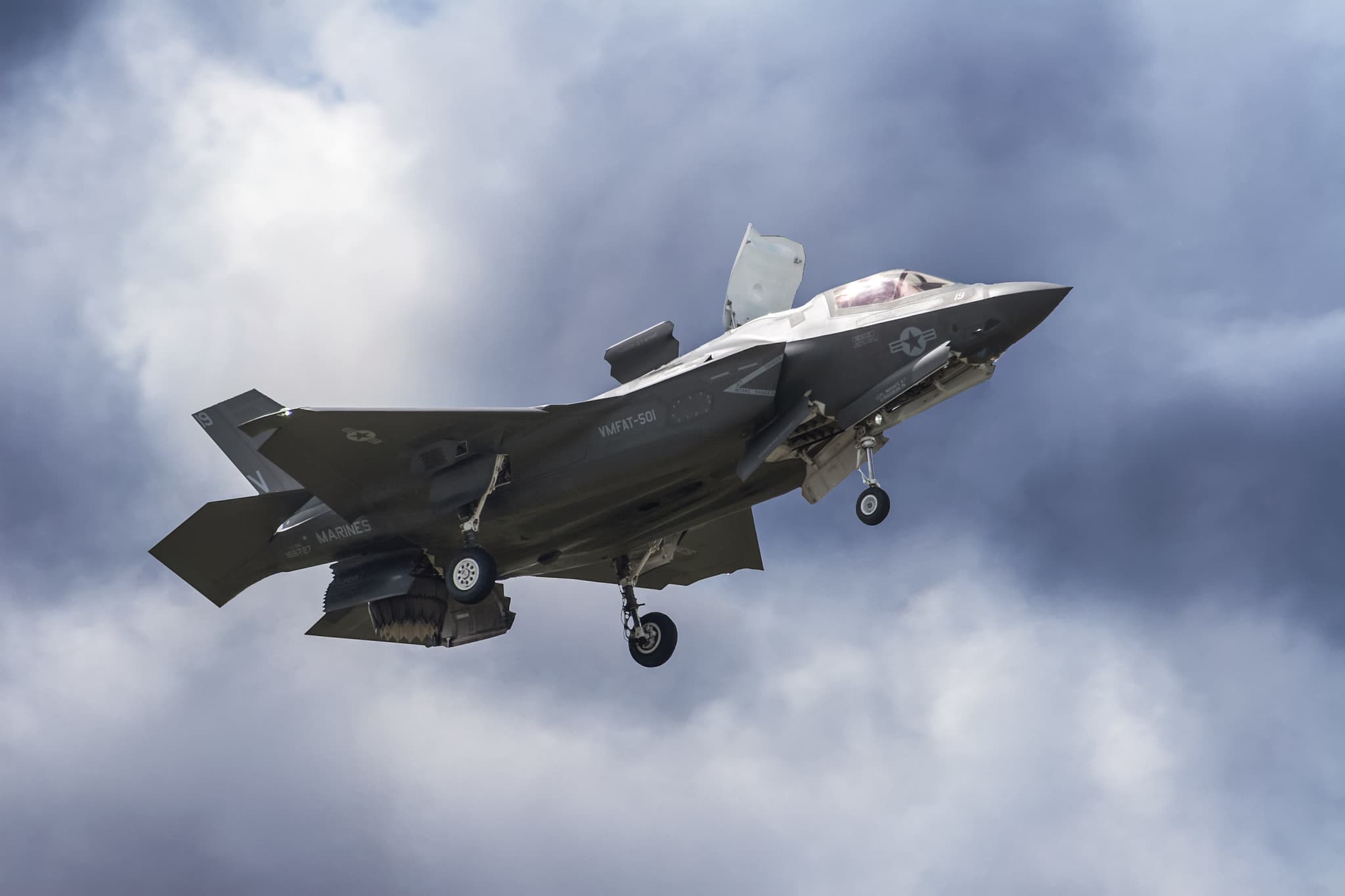
The key stakeholders in this scenario are clear: the nation's largest defense contractors stand to be the immediate beneficiaries. Companies like Lockheed Martin, Raytheon Technologies, and Northrop Grumman, along with their extensive networks of lobbyists and political action committees, are already deeply embedded in Washington's power structure, ensuring their interests are front and center during any surge in defense spending. Their well-funded advocacy groups, such as the Aerospace Industries Association, work tirelessly to shape legislative language and secure lucrative contracts. On the other side, consumer-facing industries and sectors reliant on global supply chain stability could face headwinds, as increased geopolitical risk often translates to higher energy costs and disrupted trade routes, ultimately burdening the American taxpayer and potentially diverting funds from domestic priorities.
The industry impact extends far beyond just defense stocks. Energy markets, particularly crude oil futures, will react sharply to any perceived threat to Middle Eastern stability, potentially driving up prices and fueling inflationary pressures already being monitored by Federal Reserve Chair Jerome Powell. Shipping and logistics firms face increased insurance costs and operational complexities in affected regions. Furthermore, the broader tech sector, already grappling with supply chain vulnerabilities, could see further disruptions, impacting companies like Apple ($255.92) and Microsoft ($373.46) even as they diversify their manufacturing bases. The specter of conflict also inevitably slows foreign direct investment into emerging markets, as global capital seeks safer havens.
While a retired general's prediction holds no direct legal weight, it significantly informs the legal and regulatory landscape governing executive action and congressional oversight in matters of war. The War Powers Resolution of 1973 would become a central point of contention, defining the President's authority to commit U.S. forces to hostilities and Congress's role in authorizing such actions. Any large-scale military operation would trigger a cascade of regulatory requirements for defense contractors, from procurement regulations to cybersecurity mandates, increasing compliance costs and scrutiny for firms operating within the national security apparatus. The specter of conflict also sets precedents for the application of sanctions and trade restrictions, influencing the legal parameters for international commerce and financial transactions.
Looking forward, the immediate focus shifts to official channels for confirmation or refutation of such aggressive timelines. The Pentagon and the White House will be under intense pressure to clarify the administration's posture, as will the State Department regarding diplomatic efforts. Congress will undoubtedly hold hearings, scrutinizing the President's foreign policy strategy and potential military contingencies. Investors will keenly watch for any signs of direct engagement, further defense appropriations, or shifts in the U.S.'s strategic alliances in the region. The rhetoric from President Trump's administration, Vice President Vance, and key congressional leaders will be parsed for any indication of an accelerated timeline or a more defined military strategy.
The bottom line for Gokhshtein Media readers is this: a retired general's casual prediction of a 60-day war is not merely speculative chatter; it is a powerful catalyst in the high-stakes game of Washington power and money. Such pronouncements immediately create winners and losers in financial markets, driving capital flows into defense and energy while fostering caution in broader equities, as evidenced by the Extreme Fear in crypto despite BTC and ETH's slight gains. The deep-pocketed defense lobby will work overtime to capitalize on this heightened tension, ensuring that any perceived threat translates directly into increased appropriations and lucrative contracts, reinforcing the intricate web where geopolitical risk becomes a direct pipeline for financial gain. This is not about policy theater; it is about the cold, hard calculus of capital in the shadow of conflict.