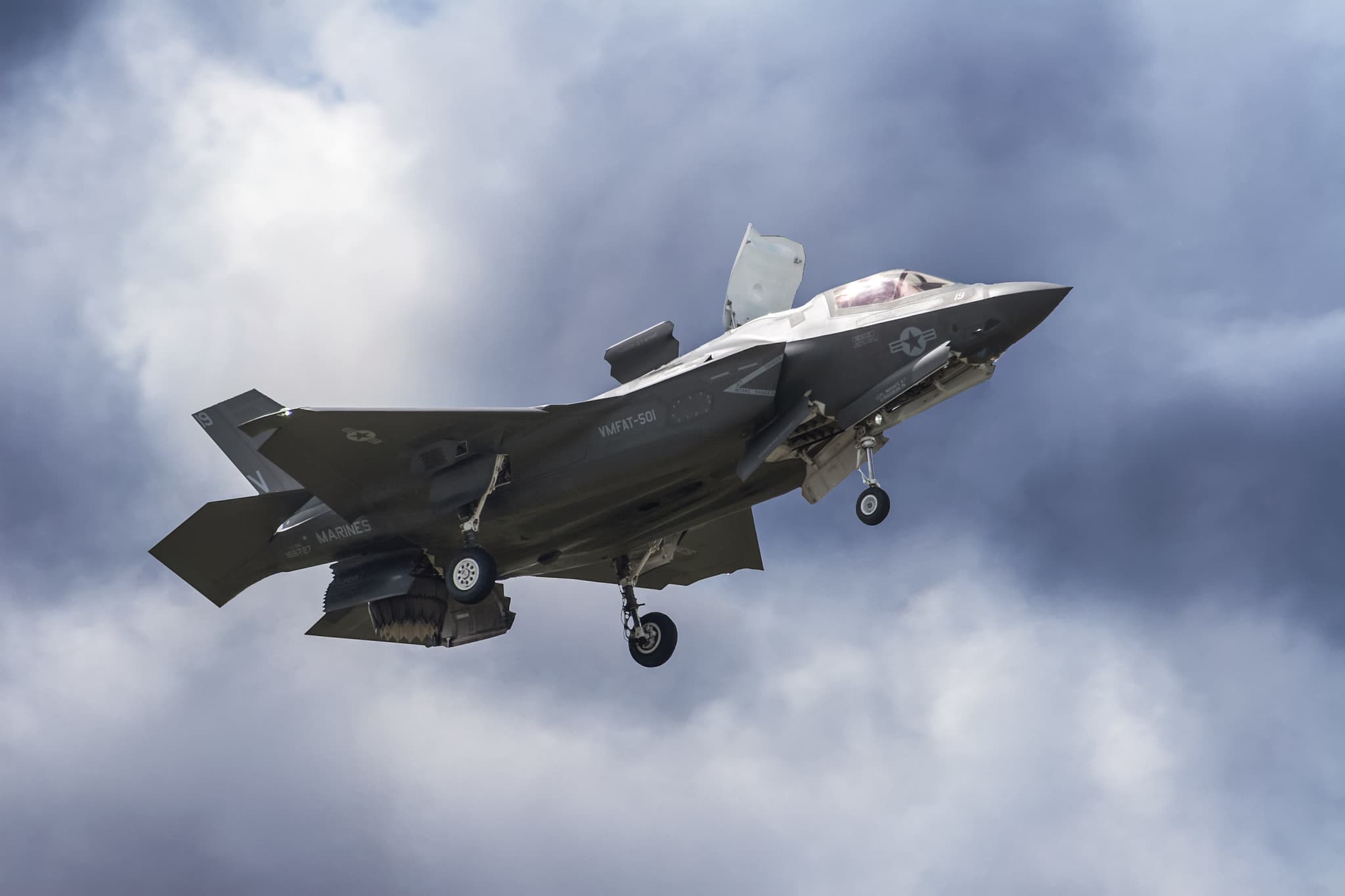
The phone call between President Trump and Israeli Prime Minister Benjamin Netanyahu, confirming the successful rescue of a downed pilot, is more than a diplomatic exchange; it is a clear demonstration of the administration's capacity for rapid, decisive action on the global stage. This high-stakes operation, publicly acknowledged by Netanyahu, projects an image of strong American leadership and geopolitical stability, factors that fundamentally underpin investor confidence. While direct, immediate market shifts tied specifically to this single event are not evident across major indices like the Nasdaq, which registered a modest gain of 0.2% today, or the Dow Jones, down 0.1%, the underlying message of effective crisis management from the White House resonates. Such demonstrations of robust foreign policy can reduce perceived geopolitical risk, influencing long-term capital allocation and shaping the regulatory environment for international trade and investment.
Despite the significant geopolitical implications, the broader financial markets showed no immediate, sharp reaction directly attributable to the rescue announcement. Equity indices remained largely stable, with the S&P 500 up 0.1% and the Russell 2000 rallying 0.7%, indicating a market focused on other economic fundamentals. In the digital asset space, Bitcoin continued its upward trajectory, trading at $69,064 with a 2.9% gain over 24 hours, and Ethereum climbed to $2,128, up 3.5%, reflecting broader crypto market momentum rather than a specific response to the diplomatic news. The Crypto Fear & Greed Index, however, held firm at 13, indicating "Extreme Fear" which suggests that while individual assets may rally, underlying sentiment remains cautious, perhaps due to lingering global uncertainties that a single diplomatic win cannot fully dispel. Investors are clearly weighing the long-term implications of strengthened alliances and regional stability against persistent macroeconomic headwinds.
This diplomatic success reinforces President Trump's foreign policy posture, which inevitably bleeds into the domestic legislative agenda, particularly concerning national security and defense spending. A demonstration of US operational capability, highlighted by the pilot's rescue, provides political capital for the administration to push for continued robust defense budgets and potentially new security alliances. On Capitol Hill, this event could influence ongoing debates around defense appropriations, foreign aid packages, and even the strategic direction of emerging technologies with military applications. Lawmakers, including those on the House Financial Services Committee or Senate Banking Committee, are acutely aware that global stability, or the lack thereof, directly impacts the economic outlook and thus the urgency of their regulatory efforts, from stablecoin legislation to critical infrastructure protection. The perceived effectiveness of the current administration's foreign policy could streamline legislative processes for initiatives aligned with national security priorities.
The primary stakeholders benefiting from this diplomatic exchange are clearly the White House and the Netanyahu government, both leveraging the rescue as a testament to their leadership and the strength of the US-Israel alliance. For President Trump, this incident bolsters his "America First" foreign policy, demonstrating a willingness to act decisively to protect American interests globally, which resonates with his political base. Defense contractors, such as Lockheed Martin and Northrop Grumman, also stand to gain as such events underscore the critical need for advanced military technology and close international defense cooperation, potentially driving future procurement contracts. Lobbying groups like the American Israel Public Affairs Committee (AIPAC) consistently advocate for strong US-Israel ties, and this event provides tangible evidence supporting their ongoing efforts to maintain robust bilateral support and funding in Congress. Conversely, those critical of US involvement in regional conflicts or specific alliances may find their arguments weakened by a successful, high-profile rescue operation that garners broad public approval.
The immediate beneficiaries of a perceived increase in global stability are often sectors heavily reliant on international trade and investment, including technology and energy. Multinational corporations like Apple, currently trading at $255.92, and Microsoft, at $373.46, thrive in predictable geopolitical environments, as their supply chains and market access are less disrupted. The defense sector, as noted, will likely see continued legislative support for spending, directly impacting major players. In the crypto space, while no direct link exists, a more stable global outlook can contribute to broader institutional adoption and investment. Major financial institutions, including BlackRock and Fidelity, which manage significant Bitcoin and Ethereum spot ETF holdings, benefit from reduced systemic risk, making digital assets more palatable for traditional portfolios. The underlying sentiment shifts from "Extreme Fear" to a more measured approach as geopolitical tensions ease, even marginally, which can encourage capital flows into riskier assets like those in the digital economy.
While the diplomatic call itself does not establish new legal precedent in a financial regulatory sense, the successful execution of an international rescue operation has broader implications for international law and national security frameworks. It reinforces the principle of state sovereignty in protecting its citizens abroad and the intricate legal frameworks governing intelligence sharing and joint military operations. For companies operating internationally, particularly those in defense, logistics, or critical infrastructure, this event highlights the ongoing necessity of robust compliance programs aligned with international sanctions, export controls, and data privacy agreements. The Department of Defense and other intelligence agencies will continue to refine their operational protocols, which can lead to new regulatory requirements for their private sector partners. This incident underscores the complex web of legal obligations and risks that multinational corporations must navigate, with non-compliance carrying severe penalties, reinforcing the need for vigilant legal counsel and robust internal controls.
This diplomatic success positions President Trump to press forward with key elements of his foreign policy agenda, which can indirectly shape the domestic legislative and regulatory landscape. A bolstered reputation for decisive action could provide leverage for the administration to advocate for specific trade agreements or to push for stricter enforcement of existing economic sanctions against geopolitical rivals. On Capitol Hill, the focus might shift towards enhancing national security apparatus funding, potentially leading to increased budgets for intelligence agencies and defense technology R&D. Furthermore, the perceived stability could create a more favorable environment for comprehensive financial regulatory reform, including efforts to clarify the regulatory status of digital assets. With SEC Chair Paul Atkins overseeing a cautious but evolving approach to crypto, and the Federal Reserve, under Jerome Powell, monitoring global economic stability, any perceived reduction in geopolitical risk could allow for a more aggressive push on domestic economic policy initiatives.
President Trump's diplomatic success in coordinating the pilot's rescue is a powerful projection of American influence, directly impacting the calculus of investors and policymakers alike. It signals a White House capable of effective, high-stakes international action, which is a net positive for global stability and, by extension, for capital markets. While specific asset prices like Bitcoin at $69,064 or Ethereum at $2,128 did not directly react to this single event, the cumulative effect of such decisive foreign policy moves is a more predictable geopolitical environment, fostering greater confidence in long-term investments across traditional and digital asset classes. This incident reinforces the administration's ability to shape the narrative and influence legislative priorities, ensuring that defense spending and strategic international partnerships remain at the forefront of the congressional agenda, ultimately directing significant flows of capital and shaping the future of global commerce.