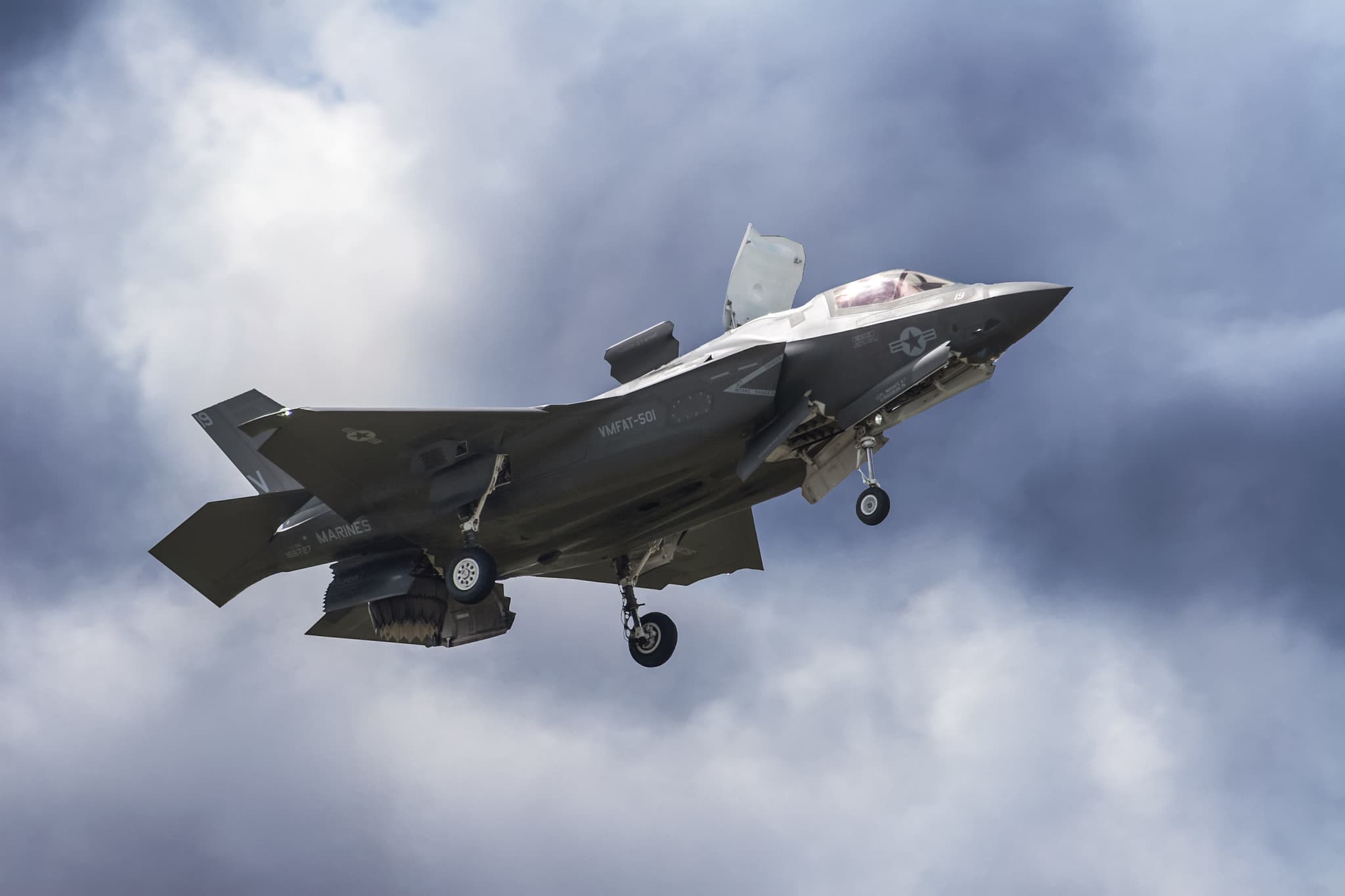
The U.S. Navy is engaged in an intensifying, high-stakes game of hide-and-seek with Iranian mine-laying operations in the strategic Strait of Hormuz, a critical chokepoint for global energy flows. This heightened military posture, a direct response to intelligence indicating Iran's increased deployment of naval mines, has immediately reverberated through international commodity markets. Oil futures saw a significant uptick, reflecting fears of supply disruptions from the Persian Gulf region, while maritime insurance rates for vessels transiting the strait have surged, adding unforeseen costs to global trade. The implicit threat to one-third of the world’s seaborne oil supply has injected a fresh wave of geopolitical risk into an already volatile economic landscape, putting investors on edge.
Equity markets responded with a mixed but cautious tone to the escalating tensions. The Dow Jones Industrial Average closed down 0.1 percent at $48,464, reflecting broad investor apprehension, while the tech-heavy Nasdaq Composite gained 1.6 percent, reaching $24,016, as some investors rotated into perceived growth sectors less directly exposed to oil shocks. The S&P 500 managed a 0.8 percent rise to $7,023, and the Russell 2000 gained 0.3 percent to $2,714, indicating a resilient domestic market despite international worries. In the digital asset space, Bitcoin, often seen as a hedge against traditional market instability, traded at $74,751, showing a modest 0.7 percent increase over 24 hours, while Ethereum climbed 1.6 percent to $2,360, suggesting some flight to quality within the crypto ecosystem. However, the true financial impact was most acutely felt in energy futures and defense contractor stocks, where gains were pronounced.
This naval confrontation, while a military action, carries profound legislative and regulatory implications, particularly concerning U.S. foreign policy, energy security, and defense appropriations. President Trump’s administration has consistently maintained a hardline stance against Iran, intensifying sanctions and asserting freedom of navigation in international waters. The incident underscores the fragility of global supply chains and will undoubtedly fuel debates on Capitol Hill regarding strategic petroleum reserves, domestic energy production incentives, and the U.S. Navy’s budget for advanced mine countermeasures. Lawmakers on the Senate Foreign Relations Committee and the House Armed Services Committee are already scrutinizing the administration's readiness and response capabilities, with calls for increased transparency on military deployments and intelligence assessments. The ongoing threat will inevitably become a central talking point in future discussions around the annual National Defense Authorization Act.
The primary stakeholders in this unfolding drama are diverse, with clear winners and losers emerging from the increased risk premium. The U.S. defense establishment, including top brass at the Pentagon and defense contractors like Lockheed Martin and Raytheon Technologies, stands to gain from renewed calls for increased military spending and procurement of advanced naval assets. These companies, whose stock prices often track geopolitical instability, are poised for boosted order books. Conversely, global shipping companies, such as Maersk and Mediterranean Shipping Company, face rising operational costs due to inflated insurance premiums and potential rerouting, directly impacting their profitability and supply chain efficiency. Oil and gas giants like ExxonMobil and Chevron, while benefiting from higher crude prices, also confront heightened logistical risks in transporting their products through the region, creating a complex calculus of gains and vulnerabilities.
The immediate industry impact is concentrated in sectors directly tied to global trade, energy, and defense. Major oil and gas companies, including international players and U.S.-based producers, are navigating a dual reality: higher prices boosting revenue but increased risk threatening operations. The maritime insurance industry, led by underwriters like Lloyd's of London, has already adjusted risk premiums upwards, translating directly into higher costs for virtually every company moving goods via sea. Defense contractors, including Northrop Grumman and General Dynamics, anticipate a surge in demand for naval technology, surveillance systems, and mine-sweeping capabilities, positioning them for substantial financial upsides. Even the nascent digital asset sector, while not directly involved, sees its narrative influenced as investors weigh Bitcoin's role as a potential safe-haven asset against traditional gold in times of geopolitical stress, though its correlation remains complex and evolving.
From a legal perspective, the U.S. Navy's actions are firmly rooted in the principle of freedom of navigation under international maritime law, a doctrine consistently upheld by successive U.S. administrations in critical waterways like the Strait of Hormuz. Iran's alleged mine-laying activities, if proven, constitute a direct challenge to this fundamental right and could be construed as acts of aggression, potentially triggering robust international responses. The incident also intensifies scrutiny on the enforcement of existing U.S. sanctions against Iran, making it harder for companies to justify any dealings that might indirectly support Iranian naval capabilities. Businesses with global supply chains are now facing elevated compliance costs, requiring more stringent due diligence on shipping routes, insurance policies, and potential indirect exposure to sanctioned entities, fearing punitive measures from the U.S. Treasury Department. The precedent set by any direct engagement could reshape future interpretations of naval conduct in contested waters.
The immediate future will likely see a continued U.S. naval presence in the Persian Gulf, aimed at deterring further Iranian aggression and ensuring the unimpeded flow of commerce. Legislatively, President Trump's administration will likely leverage these events to push for increased defense spending, potentially seeking supplemental appropriations to bolster naval assets and intelligence gathering capabilities. Discussions around energy policy will intensify, with renewed calls for greater U.S. energy independence to mitigate the impact of Middle Eastern instability on consumer prices. Regulatory bodies, particularly those overseeing maritime trade and insurance, will likely issue new advisories or enhance existing guidelines for companies operating in high-risk zones. The specter of a broader regional conflict looms, forcing policymakers to consider not only military responses but also the profound economic and financial fallout of disrupted global trade routes and heightened energy market volatility.
Gokhshtein Media understands this isn't merely a military maneuver; it is a calculated political chess move with direct financial consequences for global markets and corporate bottom lines. The ongoing naval standoff in the Strait of Hormuz is a stark reminder that geopolitical risk remains a potent, unpredictable force shaping investment decisions and economic stability. While defense contractors and energy traders stand to benefit from the immediate market reaction, the broader economy faces the inflationary pressures of higher oil prices and the drag of increased shipping costs. President Trump’s resolute stance on freedom of navigation, while strategically sound for U.S. influence, imposes a tangible cost on global commerce. Investors must recalibrate portfolios to account for persistent instability in critical choke points, recognizing that the "politics and policy" of military deterrence directly translate into dollars and cents across every sector from logistics to digital assets.