U.S. equity markets continue their robust ascent, with the S&P 500 now trading at $7,023 and the Nasdaq Composite pushing past $24,016, signaling an unwavering appetite for growth assets. Leading this charge are technology behemoths like Microsoft, up 4.6 percent to $411.22, and Apple, climbing 3.0 percent to $266.43, alongside Tesla's impressive 7.6 percent rally to $391.95. This bullish momentum, however, appears increasingly detached from escalating geopolitical tensions, particularly the potential for an energy supply shock originating from Iran, a risk that sophisticated investors must recognize is grossly underpriced by current market valuations.
The market's reaction today demonstrates a clear preference for high-growth narratives, with the technology sector driving the S&P 500 up 0.8 percent and the Nasdaq up 1.6 percent, while the Dow Jones Industrial Average saw a slight dip of 0.1 percent to $48,464. This breadth suggests a broad-based rally within growth segments, yet it conspicuously overlooks the fundamental implications of global energy stability. Despite the latent threat of supply disruptions, energy stocks have not seen the proportionate appreciation one would expect if a significant shock were truly priced in, indicating a collective market blind spot to this critical macroeconomic factor.
Historically, periods of geopolitical instability in the Middle East have often triggered sharp corrections in global equity markets, particularly when oil supply routes or production capacities face direct threats. The current market exuberance, reminiscent of previous tech-led bubbles, stands in stark contrast to the cautious sentiment often seen during times of heightened energy risk. While the U.S. economy has shown resilience, a significant and prolonged energy shock could quickly erode corporate margins and consumer purchasing power, fundamentally altering the operating environment for even the most dominant technology firms. The market's current trajectory, fueled by AI optimism and strong tech earnings, appears to be discounting historical precedents regarding energy price volatility.
Wall Street's consensus largely remains fixated on the artificial intelligence revolution and robust corporate earnings growth, with many analysts issuing bullish price targets for companies like Alphabet, which rose 1.3 percent to $337.12, and Meta Platforms, up 1.4 percent to $671.58. However, a growing cohort of institutional investors is privately expressing concerns that these projections may not adequately factor in a sudden, sharp rise in energy costs. Funds are currently positioned for continued growth and disinflation, making them vulnerable to a rapid re-pricing of inflation expectations and a potential shift in Federal Reserve policy should an energy crisis unfold.
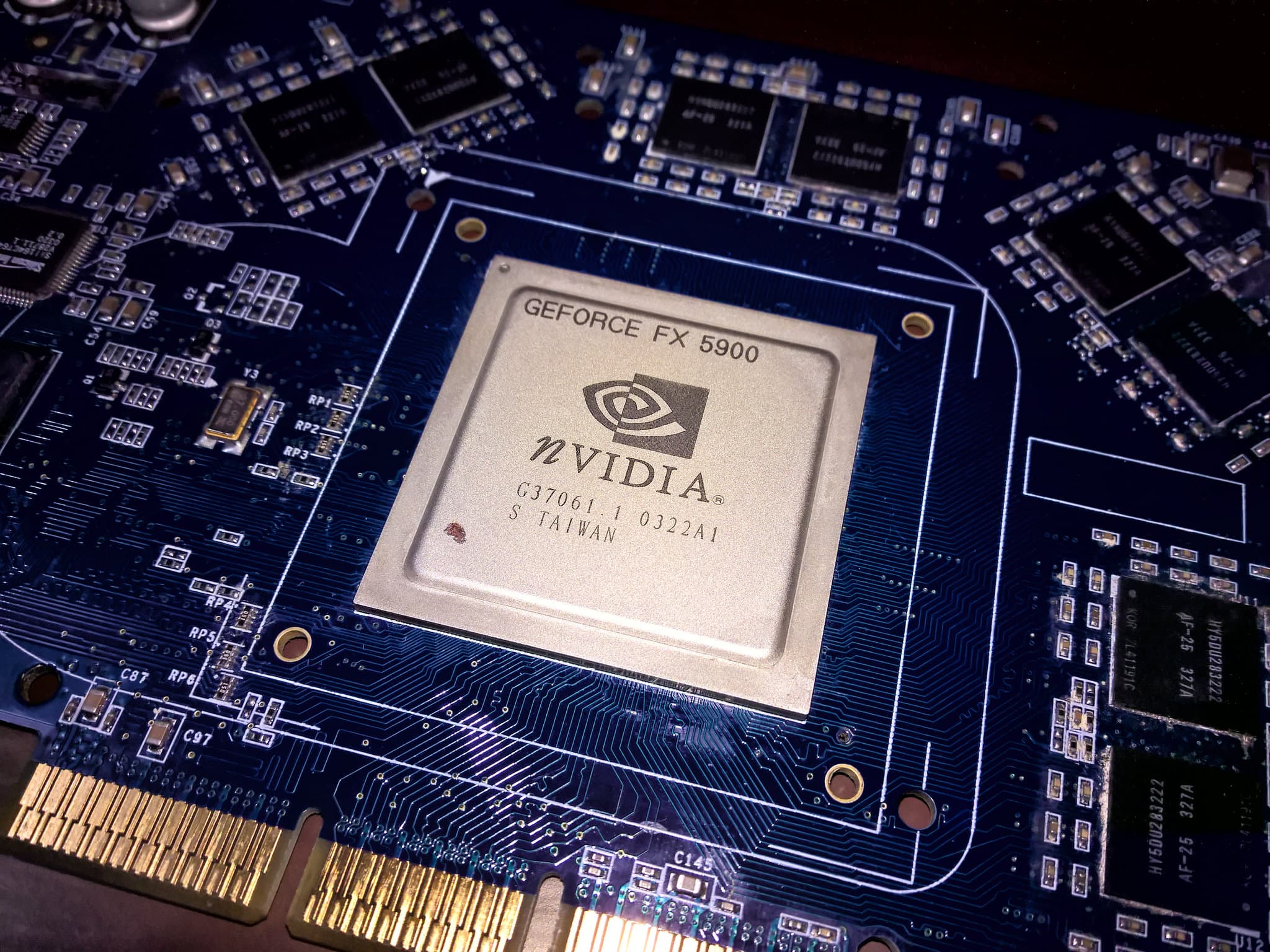
From a fundamental perspective, while companies like Nvidia continue to dominate the AI chip market, their long-term growth trajectories are not immune to broader economic headwinds. A substantial energy shock would translate into higher operational costs across supply chains, impacting everything from semiconductor manufacturing to cloud data centers. Even the most profitable tech companies would face margin compression and potential demand destruction if consumers and businesses are forced to reallocate capital towards essential energy expenditures. The current valuation multiples for many growth stocks, while justified by strong earnings in a stable environment, become increasingly precarious under the specter of sustained inflationary pressures driven by energy.
The broader market implications of an Iran energy shock are profound, extending far beyond direct hits to energy-intensive industries. Such an event would likely ignite inflation, forcing the Federal Reserve to reconsider its monetary policy stance, potentially leading to higher interest rates for longer than currently anticipated. This scenario would trigger a significant sector rotation, with capital flowing out of high-multiple growth stocks and into more defensive sectors or commodities. The current low Crypto Fear & Greed Index reading of 23, indicating extreme fear in the digital asset space, serves as a stark reminder of underlying market anxieties that the equity rally seems to be ignoring.
Looking forward, investors must monitor key geopolitical developments in the Middle East, including any rhetoric or actions that could disrupt global oil supplies. Upcoming OPEC+ meetings and statements from major oil-producing nations will also serve as critical catalysts. Technically, a sustained break below the S&P 500's 6,800 support level could signal a broader market reassessment of risk, especially if accompanied by a sharp rise in crude oil prices. Corporate earnings guidance for the second half of 2026 will also provide crucial insights into how companies are modeling potential cost increases and demand shifts.
Gokhshtein Media maintains a high-conviction view that Wall Street is dangerously complacent regarding the potential for an Iran-induced energy shock. Investors must diversify portfolios now, reducing overweight positions in highly valued growth stocks and increasing exposure to commodities and defensive sectors. The current tech rally, while compelling, rests on a fragile foundation of geopolitical stability that could crumble rapidly, making risk management paramount for preserving capital and capturing value in the inevitable market rotation that a true energy crisis would precipitate.